|
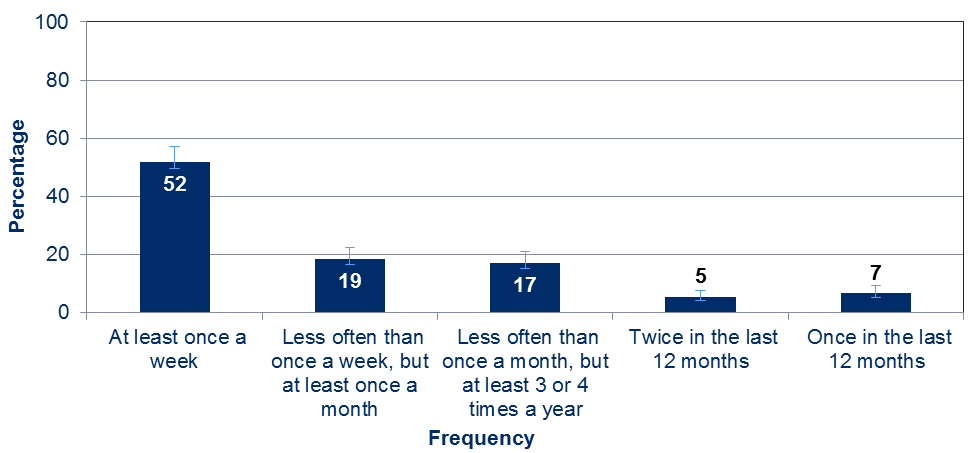
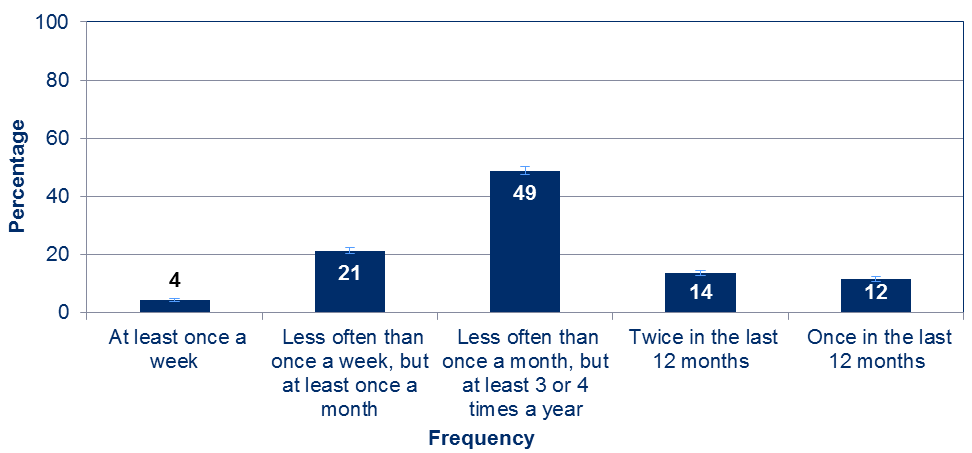
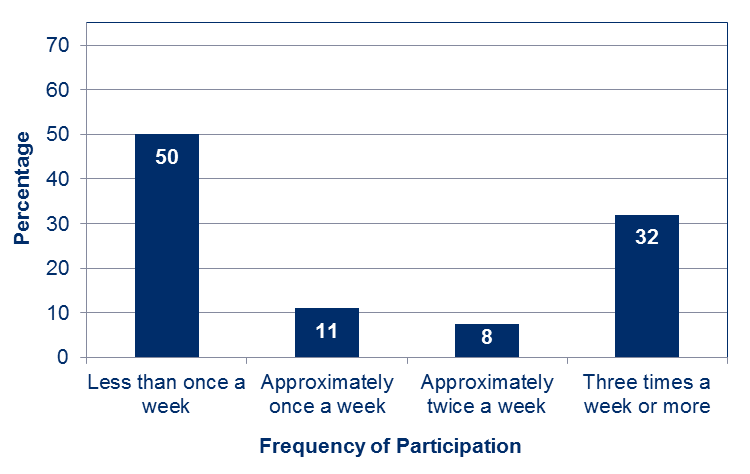
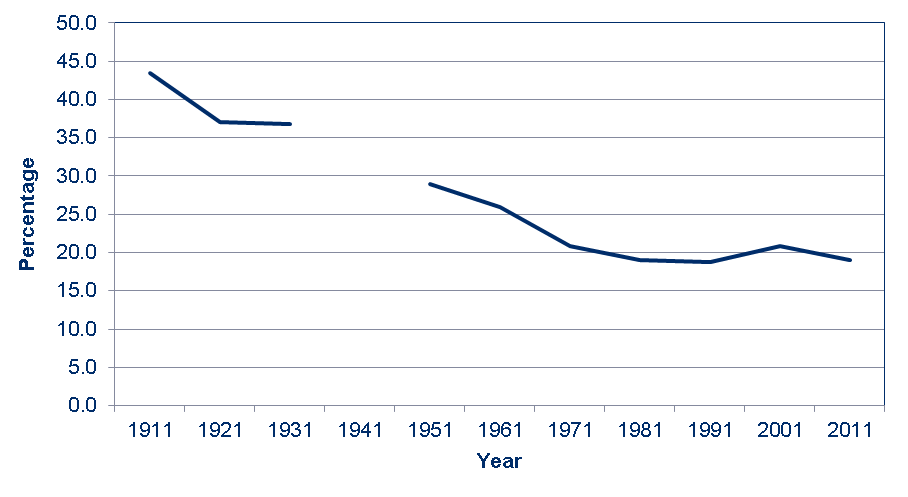
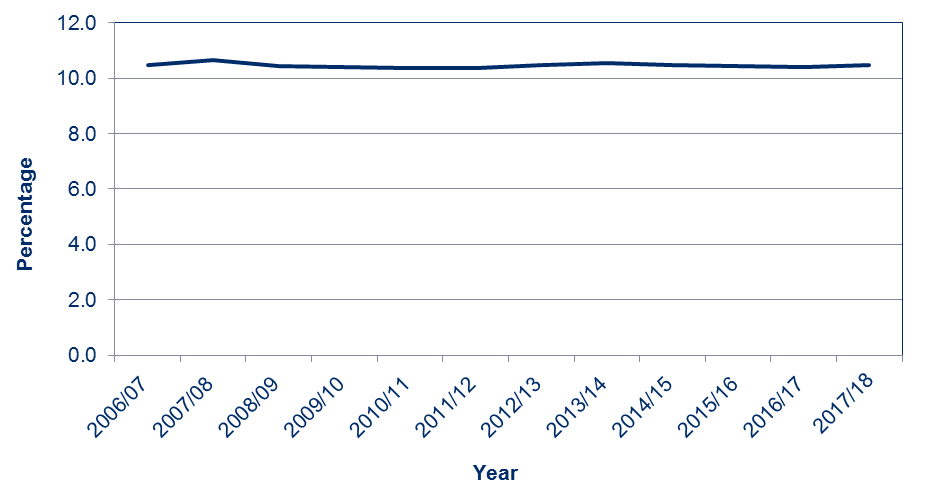
The goal: A society that promotes and protects culture, heritage and the Welsh language, and which encourages people to participate in the arts, sports and recreation. Author: Glyn Jones, Welsh Government What have we learnt from the data in the last year?In 2017-18 we captured information on the agreed national indicator for the first time which showed that 75 per cent of adults attended or participated 3 times a year or more in arts, cultural or heritage events. This indicator isn’t comparable with data for previous years, but these have generally shown a rise in attendance and participation in the arts. In terms of children, the latest Arts Council of Wales data showed an increase in arts attendance and participation in 2017, to some extent reversing the decline in 2016. Sports participation amongst adults increased in 2017-18 compared with the first year of data for this indicator, with 32 per cent of adults having participated 3 times a week or more. There has been no new school sports survey. The percentage of Welsh speakers, both in terms of adults and children, has remained at broadly the same level. Survey data do suggest that there has been an increase in people who state that they speak a few words of Welsh. This year we have incorporated data from the schools census on school pupils speaking Welsh at home for context. These figures have stabilised in recent years. New data show that 86 per cent of the population agreed that the Welsh Language is something to be proud of. There has been an increase in the numbers of accredited archives in Wales over the last year. The condition of listed buildings has remained stable, although there has been a small decline in the percentage of scheduled monuments in good or stable condition. Three-quarters of adults attend or participate regularly in the arts, and attendance and participation has risen in recent years.Participation in the arts and sports can have a positive impact on mental well-being and physical health, but also in terms of improving social connectedness and reduction in anti‑social behaviour therefore supporting a wide range of well-being goals. Our national indicator, collected in the National Survey for Wales for the first time in 2017-18, is to consider those that have attended or participated in arts, cultural or heritage events 3 or more times a year. For the purposes of this commentary when referring to “regular” attendance or participation we are referring to this definition. This indicator includes attendance or participation at music events, theatre, film showings, dance performance, visual arts and crafts, creative writing amongst others. The data showed that 75 per cent of adults aged 16 or over attended or participated in arts events 3 times or more. Women were in general slightly more likely to do so. When considering participation and attendance separately, people were far more likely to have attended arts events rather than participate. 68 per cent of adults had attended arts events, compared with 22 per cent that had participated. However, those that do participate are likely to do so on a fairly routine basis, with half of those who had participated doing so at least once a week. In terms of attendance, around half of adults reported that they had attended a film showing with the next most popular events being live music and theatre. Participation was highest in visual arts and crafts or music. 6.01 How often participated in arts event, in own time, in the last year,
2017-18 6.02 How often attended an arts event, in own time, in the last year,
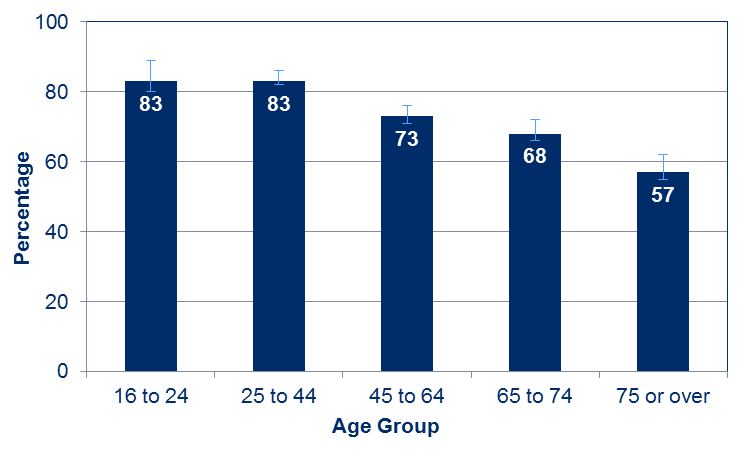
2017-18 Source: National Survey for Wales, 2017-18 Data from previous years on the arts show that for those who had not attended an arts event, the most common reason for not attending was a lack of interest. Although the national indicator itself was based on a new definition in 2017-18, we can consider longer term trends in arts and cultural participation from surveys carried out by the Arts Council of Wales. The last Arts in Wales Survey 2015 had shown that attendance to arts events by adults aged 16 or over was up from 2005 but down slightly on 2010. This research defines an arts event slightly differently, with the main difference being the inclusion of seeing a film at the cinema. The Arts Council research also gives an insight into trends in the type of arts events attended. When comparing 2015 data with 2005 data, cinema, art galleries/exhibitions and live music have seen the largest increases in attendance. The Arts Council of Wales surveys also showed that participation in arts activity increased between 2010 and 2015. Barriers to attendance and participation include time, availability, interest and cost. But also health is a barrier, particularly for those from lower socio-economic backgrounds, and disabled people are less likely to attend or participate. Regular attendance and participation at arts events differs across different groups of peopleWomen were slightly more likely to attend or participate regularly than men (77 per cent compared with 73 per cent). In terms of attendance, there was no difference across gender but more women participated regularly than men (24 per cent compared to 20 per cent). Cultural activity differed more by age group. It was lowest for the oldest age group; 57 per cent of adults aged 75 and over attended or participated regularly in events in the last year compared with 83 per cent of those aged under 45. Trends are broadly similar across attendance and participation (i.e. young people more likely to do both). But for participation the significant difference is in the very youngest age group where 36 per cent had participated in an arts event in the last year compared with the overall figure of 22 per cent. 6.03 Percentage of each age group that attended or participated at least 3
times a year in arts, culture or heritage activities in the last year,
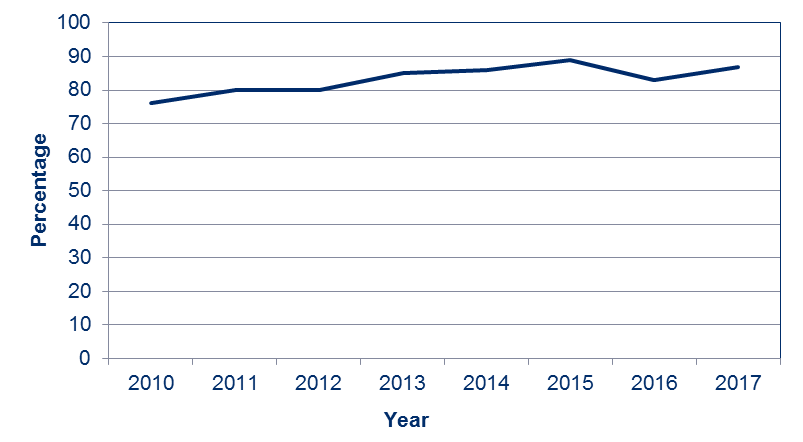
2017-18 Source: National Survey for Wales, 2017-18 Part of the difference across age groups may be attributable to children as couples with dependent children were the household type most likely to have attended an arts event in the last year. There is a strong relationship between arts and cultural activity with qualifications. People with higher levels of qualification were significantly more likely to have attended or participated regularly in arts and culture than those with a lower level or no qualifications. Deprivation also appears to have an impact on attendance and participation. People from the most deprived 20 per cent areas of Wales were less likely to have attended an arts event than those from less deprived areas. Children and young people attending arts events has been increasing in recent years despite a dip in 2016Children are not included in the National Survey for Wales but the Arts Council of Wales carry out an annual survey of children’s involvement in the arts. Following a decline in attendance in 2016, data for 2017 showed an increase with 87 per cent of those aged 7 to 18 years old having attended arts events once a year or more. Although the latest figure remains lower than the peak seen in 2015, in general a growing percentage of children have attended arts events. Trends have been similar for participation, with the figure for 2017 reversing a decline seen in 2016 and overall participation being higher than in the early part of the decade. The Arts Council of Wales’ research on children’s engagement with the arts asks children about their attendance at plays, musicals, opera, live music performances, dance performances, galleries or exhibitions, literature events, carnivals and street art events. As with adults, girls and children from the higher socio-economic backgrounds were most likely to attend and participate in the arts. As expected, children have a range of opportunities to attend or participate in events through their school or college as well as in their own time. Children are most likely to have attended arts events in their own time (76 per cent of children) compared with participation (55 per cent). But participation is more likely to have been led by school or college. 6.04 Attendance to arts events once a year or more by those aged 7 to 18,
2010 to 2017 Source: Children's Omnibus Survey, Arts Council of Wales A third of adults take part in sport 3 times a week or more, up from the previous yearAccording to the National Survey for Wales 32 per cent of adults took part in sport 3 times a week or more in 2017-18, but 41 per cent of adults aged 16 or over reported having not participated in any sport or physical activity. This was higher than the figure for 2016-17, which was the first year that the questions were asked in the National Survey. Men and younger age groups were more likely to take part in sport 3 or more times a week than women and older age groups respectively. The most common sporting activities include walking, swimming, the gym or fitness activities, jogging, football and cycling. These were the most common activities for both men and women, other than football and cycling, in which men were far more likely to participate. 6.05 Participation in sport by frequency, 2017-18 Source: National Survey for Wales, 2017-18 Sports Wales publish an annual state of the nation report on Sport and Active Lifestyles. They reported that sport participation rates are also linked to disability (those without a disability were more likely to participate), employment status (employed people more likely to participate) and deprivation (those not living in material deprivation more likely). The latest National Survey reported that 55 per cent wanted to do more sport or physical activities. The types of activity in most demand include swimming, cycling and gym or fitness classes. Amongst both men and women the most common barriers to sports participation were work and family commitments, age and fitness (2016-17 data). However cost and local facilities were also reported as barriers. To put this into context, the latest National Survey for Wales showed that less than half of adults thought they had good access to a sports centre or club. Sporting activity amongst school pupils increased in 2015The latest Sport Wales research on sport participation amongst school pupils was in 2015 and the latest school sports survey is taking place this year. Therefore this section remains unchanged from the first Well-being of Wales report. The School Sports survey for 2015 showed that 48 per cent of pupils in Years 3 to 11 (aged from 7 to 16) participated in sports 3 times a week. This is an increase from 40 per cent in 2013. There is very little different between overall participation rates across primary and secondary schools, with 49 per cent of primary pupils (aged 7 to 11) and 48 per cent of secondary pupils (aged 11 to 16) participating 3 times a week in sports. . However, boys were more likely to regularly participate in sport than girls (52 per cent versus 44 per cent) and the participation rates for pupils from the least deprived schools tended to be higher than those for pupils from the most deprived schools. 19 per cent of adults arer able to speak Welsh with 10 per cent able to speak more than a few words speaking it on a daily basis, but more people are now saying that they have “some Welsh speaking ability”The Welsh language is a significant component of the historical culture and identity of Wales. New questions in the latest National Survey for Wales showed that 86 per cent of adults aged 16 and over agreed with the statement that the Welsh language is something to be proud of, and this figure was similar for most groups of people including amongst non-Welsh speakers (84 per cent). According to 2011 Census data, 19.0 per cent of the Welsh population (aged three and over) could speak Welsh, but this was a slight fall from the 2001 Census (20.8 per cent). In general the number and percentage of speakers had been declining through the 20th century, although the figures for 2011 remain higher than in 1991. The areas with the highest percentages of Welsh speakers are Anglesey, Gwynedd, Ceredigion and Carmarthenshire. As well as differences across areas in Wales, people with higher qualifications, identify themselves as White, and/or are Christian are more likely to speak Welsh. Further information on Welsh speakers comes from the National Survey for Wales which provides estimates of those aged 16 and over. Since 2011 estimates of those able to speak Welsh have remained stable at around a fifth of the adult population. But there has been an increase over recent years in those who say they have “some” Welsh speaking ability (such as speaking a few words), having increased to 12 per cent in 2017-18, from 4 per cent in 2014-15. When considering the vitality of the Welsh language it is also important to consider whether the language is being used by those who can speak it. Combining data from the Census and the 2013-15 Welsh Language Use Survey tells us that, across the whole population aged three and over, 10 per cent of people could speak more than just a few words of Welsh and spoke Welsh on a daily basis. This has remained relatively stable for adults over the last few years according to National Survey data. The data suggests that people who are employed are more likely to speak Welsh daily. The 2011 Census showed a fall in the number of small areas where the majority - either 50 per cent or more, or 70 per cent or more - of the population that could speak Welsh. The lower prevalence of Welsh speaking in an area can reduce the likelihood and frequency that Welsh will be used in conversation. 6.06 Percentage aged three and over able to speak Welsh Source: Census Children are the most likely age group to report that they are able to speak WelshBoth the 2011 Census and the more recent Welsh Language Use Survey (2013-15) show that children are the most likely to report that they are able to speak Welsh, with both sources suggesting that around 40 per cent of 3-15 year olds are able to do so. Younger people beyond the age of compulsory education are less likely to report that they speak Welsh. The Welsh Language Use Survey report gave a full analysis of the usage of Welsh language amongst children and adults. To summarise, it showed that children are more likely than adults to be fluent or to speak a fair amount of Welsh. They are also most likely to use Welsh daily, likely due to regular usage in schools. The percentage of 3 to 15 year olds who spoke Welsh daily was considerably higher than any other age group, with almost a quarter of them speaking Welsh daily. The percentage of children and young people aged 3 to 15 who spoke Welsh daily is similar to the percentage of pupils who receive their education in Welsh-medium or bilingual primary, middle and secondary schools, although we do not know if they are necessarily the same children. Another source of information on trends in Welsh language amongst children is the annual Schools Census, which showed an increased in the percentage of children whose parents said they spoke Welsh at home in the early 2010s, but in recent years has stabilised at around 10.4 per cent. The Welsh Language Use Survey showed children were far more likely to use Welsh in school than at home or with their friends. 6.07 Percentage aged 5 or over in maintained secondary schools who speak
Welsh at home, 2006 to 2017 Source: Pupil Level Annual School Census (PLASC) Welsh speakers are more likely to be involved in arts or sports, and of those, fluent Welsh speakers are far more likely to attend events held in Welsh.There is a relationship between Welsh speaking and arts or sports participation. However this may be driven by the fact that Welsh speakers are also more likely to hold higher qualifications and are on average less deprived. In general Welsh speakers were more likely to attend or participate in the arts, with 79 per cent of Welsh speakers doing so regularly compared with 72 per cent for non-Welsh speakers. Those statistics are related to attendance at any event, but the Welsh Language Use Survey 2013-15 analysed attendance at activities held in Welsh. It showed that fluent Welsh speakers are far more likely to attend a social, cultural or sporting event held in Welsh than those who are less fluent. On average, adults who defined themselves as fluent Welsh speakers were twice as likely to have attended a social or cultural event held in Welsh than less fluent Welsh-speaking adults, and almost three times as likely to have attended a sporting activity held in Welsh. In terms of young people aged 3-15, 37 per cent had attended a social or cultural event through Welsh not organised by their school (more had attended events organised by the school), and almost a quarter had attended a sporting event through Welsh not organised by their school. Again, fluent young Welsh speakers are far more likely to have attended cultural or sporting events held through the Welsh language than non-fluent speakers. Over a half of museums and archives have achieved UK accredited standards34 per cent of people aged 16 or over attended a library in and 40 per cent had visited a museum in 2017-18, broadly the same as in 2016-17. There was a small increase in the percentage visiting a historic site in 2017-18 (now at 63 per cent). However, to preserve Wales’ cultural identity it is important that heritage assets are well maintained and accessible. As at March 2018, 94 Welsh museums and 12 archival institutions had met the high standards required for UK accreditation. 4 additional archival institutions had achieved accreditation during the last year. Although no definitive figures are available, it is estimated this represents around 60 per cent of Welsh museums and archives and this figure has remained stable since reporting began. Of the 30,000 listed buildings in Wales, the percentage that are in a “stable” or “improving” condition has remained fairly consistent over recent years. Due to a succession of poor winter weather events, the percentage of the 4,200 scheduled monuments classified as stable or improving has fallen slightly over recent years. The proportion/percentage of monuments categorised as being “at risk” is currently 14 per cent. Wales’ natural landscape is an important national asset and vital to culture and heritageThe Welsh natural landscape is an important part of the country’s culture and heritage well-being as well as being important for the tourism industry, which can in turn support economic growth. It can be impacted on by, for example, expansion of built-up areas and large developments within the natural landscape. The 2014 Review of Designated Landscapes in Wales states that Wales’ National Parks and Areas of Outstanding Natural Beauty are acknowledged as landscapes of national significance and are important national assets which cover 25 per cent of Wales. Over 50 per cent of Wales is nationally valued for its scenic quality and character. The State of Natural Resources Report states that natural landscape change to 2015 has been small overall with some substantial changes locally. Some key contributors to change are:
This context also extends to 2,740km of Welsh coastline both in terms of bring part of the natural landscape but also for promoting outdoor activity. Whilst coastal and marine water quality is fair, there have been improvements in water quality in recent years and increases in the numbers of designated bathing waters.
|