National population projections: 2024-based
The 2024-based projections provide statistics on the potential future size and age structure of the population of the UK and its constituent countries.
In this page
Introduction
The Office for National Statistics (ONS) has published 2024-based national population projections for the UK as a whole. This bulletin refers specifically to the projections for Wales.
Population projections are subject to uncertainty and are based on assumptions on future trends in fertility, mortality and migration. National population projections are not forecasts and do not attempt to predict potential short-term changes in international migration. Further information is available in the ONS headline, 'National population projections: 2024-based' and the quality and methods guide (ONS).
Projections are available for the 25-year period, from mid-2024 to mid-2049. However, this report focusses on the first 10 years of the projection period as projections tend to become increasingly uncertain in the longer-term, as much may change over that timescale. This is particularly so for detailed age and sex breakdowns.
All projections refer to the population on 30 June of the reference year.
Main points
- The population of Wales is projected to increase by 1.0% to 3.22 million by mid-2034. In comparison, estimated population growth over the previous decade to mid-2024 was 3.7%.
- The projected growth in the population between mid-2024 and mid-2034 is driven by both cross-border and international migration, with projected total net migration of 143,600 between mid-2024 and mid-2034. It is projected that there will continue to be more deaths than births over the same period, or ‘negative natural change’.
- The number of people in Wales aged 65 years or older is projected to increase by 18.3% to 819,600 between mid-2024 and mid-2034, and to reach over one million by mid-2072.
- Wales’s population is projected to peak by mid-2035, with population decrease projected from mid-2036.
- However, by mid-2049, the population is still projected to be 0.3% higher than in mid-2024, at around 3.20 million.
Figure 1: estimated and projected population, mid-2014 to mid-2049 [Note 1]
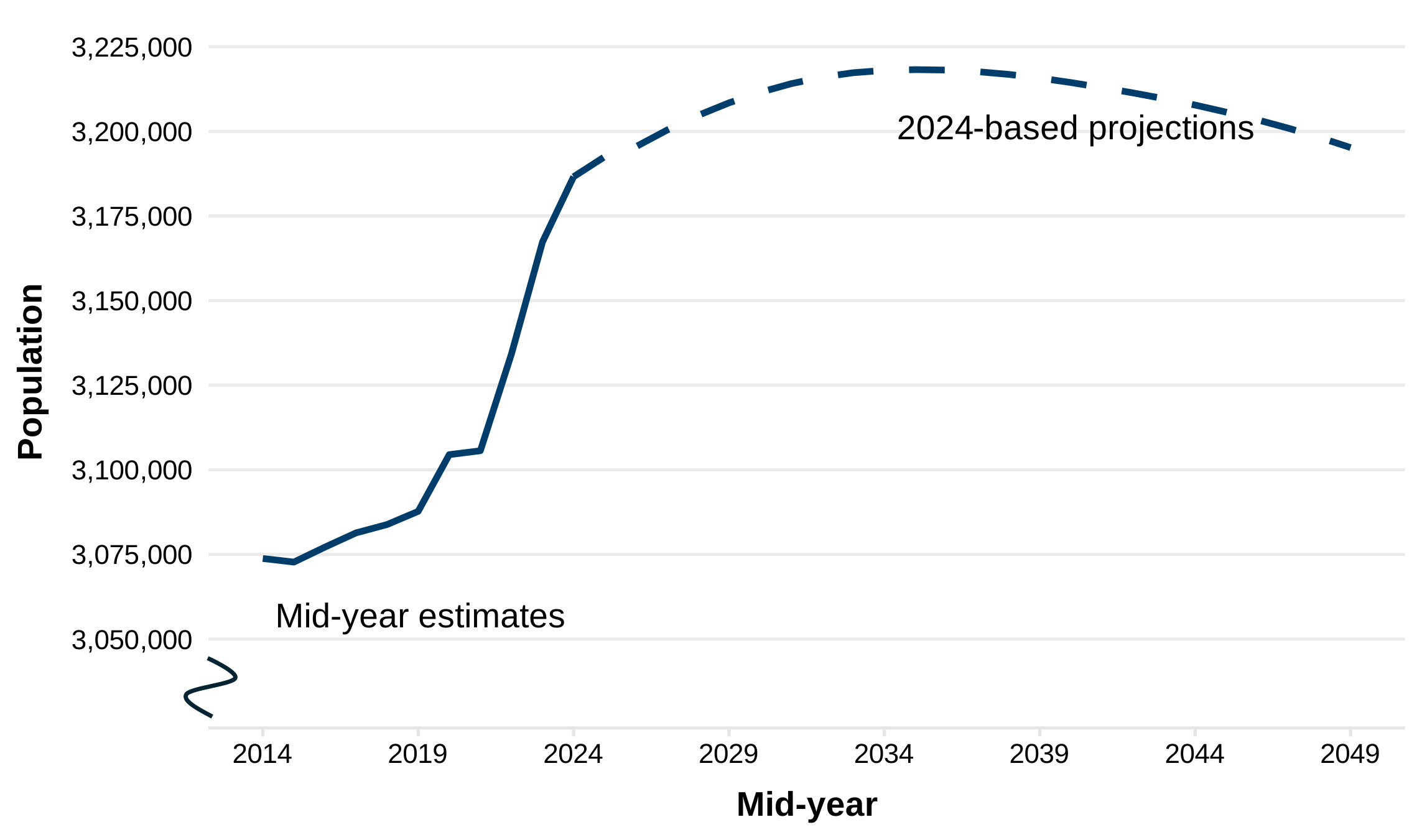
Description of figure 1: line chart showing the population of Wales is estimated to have increased between mid-2014 and mid-2024, and is projected to continue increasing to mid-2035 before starting to decrease.
Source: National population projections, ONS; Population estimates, ONS
2024-based national population projections by age, sex and year, on StatsWales
[Note 1] The y-axis on this chart does not start at zero.
Projected population by age
Figure 2: population by broad age group, mid-2014 to mid-2034
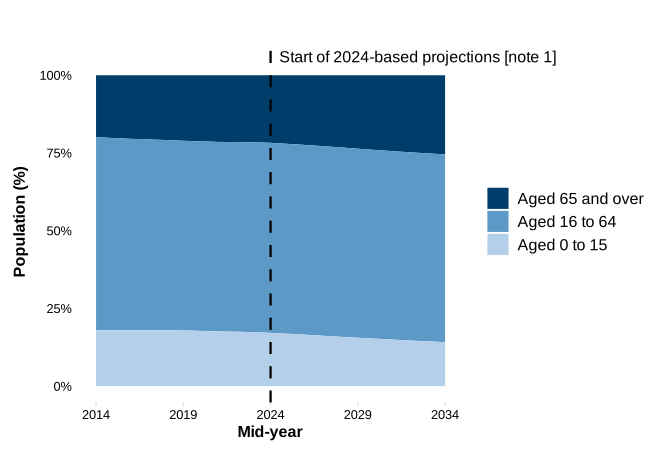
Description of figure 2: stacked area chart showing that the percentage aged 65 years or older has been increasing since mid-2014 and is projected to continue to increase between mid-2024 and mid-2034. The percentage aged 0 to 15 years old has been decreasing gradually and that is projected to continue. The percentage aged 16 to 64 years old is projected to decrease slightly over the same period.
Source: National population projections, ONS; Population estimates, ONS
2024-based national population projections by age, sex and year, on StatsWales
[Note 1] Data in the chart between mid-2014 and mid-2024 is taken from the mid-year population estimates. Data after mid-2024 is taken from the national population projections.
People aged 65 years or older are projected to account for a quarter (25.5%, or 819,600 people) of the total population in Wales in mid-2034, compared with 21.7% in mid-2024.
The number of people aged 75 years or older is projected to increase by 18.3% over the same period, from around 340,000 people in mid-2024 to around 402,200 people in mid-2034 (12.5% of the population).
By mid-2034, 60.4% of the population are projected to be aged 16 to 64 years old (around 1,943,200 people). This is a decrease of 0.2% from mid-2024.
The number of children and young people aged 0 to 15 years old is projected to decrease by 16.7% between mid-2024 and mid-2034. In mid-2034, children and young people aged 0 to 15 years old are projected to account for 14.1% of the population (around 455,200 people), compared with 17.1% in mid-2024.
Comparison with other UK nations
The projected population increase for Wales (1.0%) between mid-2024 and mid-2034 is lower than for England, which is projected to increase by 2.9%, the most out of all UK nations. However, the projected population increase for Wales between mid-2024 and mid-2034 is higher than that for Northern Ireland (0.6%) and Scotland (0.3%).
This remains the case when looking at mid-2049, by which point Wales’s population is projected to increase by 0.3% from mid-2024, compared with a 5.5% increase in England, 1.0% decrease in Northern Ireland and a 1.3% decrease in Scotland. Scotland population is projected to start decreasing in mid-2034 whilst Northern Ireland’s population is projected to start decreasing in mid-2032.
The projected increase in the number of people aged 65 years or older in Wales (18.3%) between mid-2024 and mid-2034 is the lowest of all the UK nations. This is at least partly due to the fact that Wales currently has the highest percentage of people aged 65 years or older of all the UK nations. During the same period, the number of people aged 65 years or older is projected to increase by 21.2% in England, 20.6% in Scotland, and 25.4% in Northern Ireland. By mid-2034, the number of people aged 65 years or older is projected to account for 25.5% of the total population in Wales. This is compared with 24.7% in Scotland, 22.6% in Northern Ireland, and 22.1% in England.
As a percentage of the UK population, Wales is projected to account for around 4.5% of the UK’s population by mid-2034, slightly lower than 4.6% in mid-2024. By mid-2049, this is projected to decrease slightly, to 4.4%. England is projected to account for around 84.9% of the UK’s population in mid-2034, up from 84.6% in mid-2024. Scotland is projected to account for around 7.8% of the UK’s population in mid-2032, down from 8.0% in mid-2024. Northern Ireland is projected to account for around 2.7% of the UK’s population in mid-2034, slightly down from 2.8% in mid-2024.
Figure 3: projected population change by UK nation, mid-2024 to mid-2034
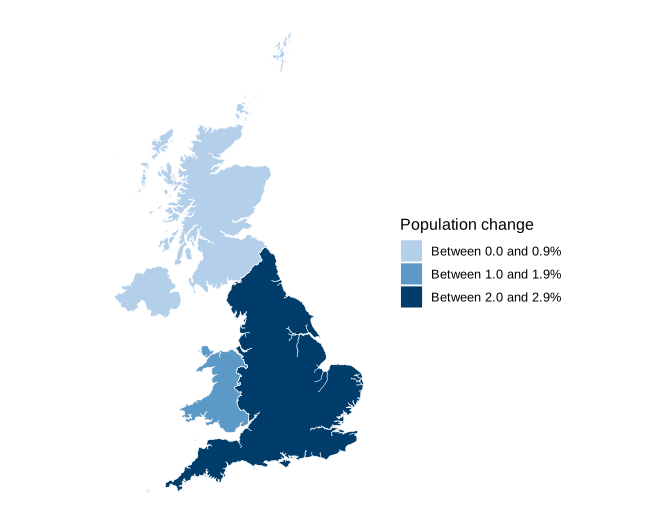
Description of figure 3: map showing that, in the period from mid-2024 to mid-2034, population growth in Wales is projected to be lower than for England, but higher than for Scotland and Northern Ireland.
Source: National population projections, ONS
2024-based national population projections by age, sex and year, on StatsWales
Components of population change
Components of population change are the factors that contribute to population change. This includes births and deaths, commonly referred to as ‘natural change’, and net migration. Migration is separated into cross-border migration, that is movements between countries in the UK, and international migration, that is movements between Wales and the other countries outside the UK.
Figure 4: estimated and projected births and deaths, mid-2014 to mid-2034 [Note 1]
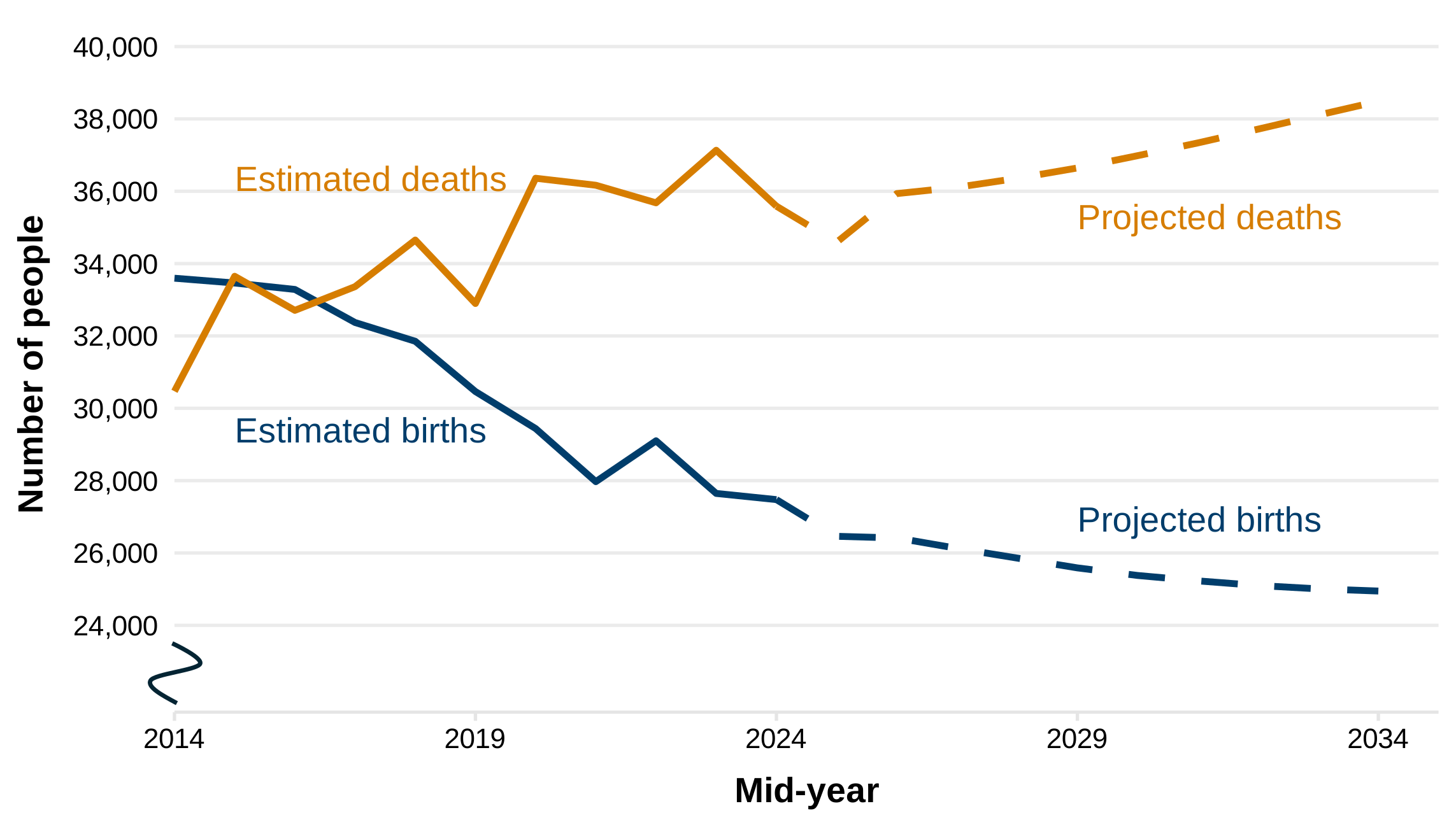
Description of figure 4: line chart showing that the number of deaths has been higher than the number of births since mid-2017. After a projected decrease in the number of deaths in mid-2025, the number of deaths is projected to increase and remain higher than the number of births in Wales. The number of births has been decreasing since mid-2012 and is projected to continue decreasing to around 24,900 births in mid-2034.
Source: National population projections, ONS; Population estimates, ONS
[Note 1] The y-axis on this chart does not start at zero.
It is projected that there will continue to be more deaths than births in Wales. The number of deaths is projected to increase by 8.2%, from around 35,600 in the year ending mid-2024 to around 38,500 in the year ending mid-2034. This reflects the trend of an increasing older population in Wales. Meanwhile, in the same period, the number of births is projected to decrease by 9.2%, from around 27,500 in the year ending mid-2024 to around 24,900 in the year ending mid-2034.
Figure 5: estimated and projected net cross-border and international migration, mid-2014 to mid-2034 [Note 1]
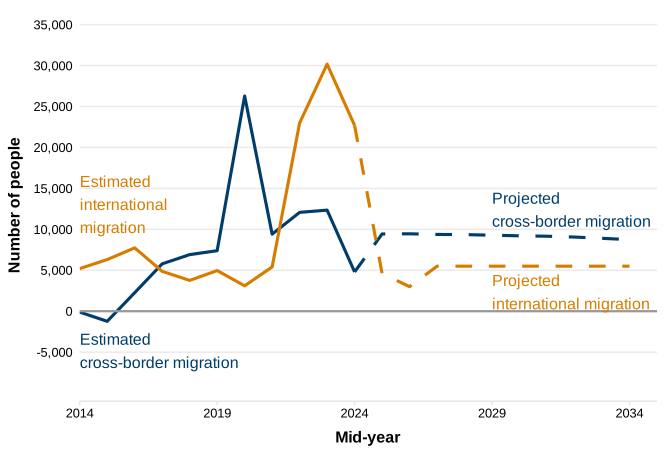
Description of figure 5: line chart showing that net international migration was estimated to have increased significantly between mid-2021 and mid-2023. In the period from mid-2024 to mid-2026, net international migration in Wales is projected to decrease to around 5,500, falling below the projected net cross-border migration.
Source: National population projections, ONS; Population estimates, ONS
[Note 1] The y-axis on this chart does not start at zero.
Between the year ending mid-2024 and mid-2034, it is projected that net international migration to Wales will return to levels similar to the period from mid-2011 to mid-2021, when average annual net international migration was around 5,200.
Net cross-border migration to Wales from other UK nations is projected to increase from around 4,800 in year ending mid-2024 to around 8,700 in the year ending mid-2034. Average annual cross-border internal migration from mid-2014 to mid-2024 was around 8,600.
Comparisons with previous national population projections
Figure 6: estimated and projected population, mid-2014 to mid-2049 [Note 1]
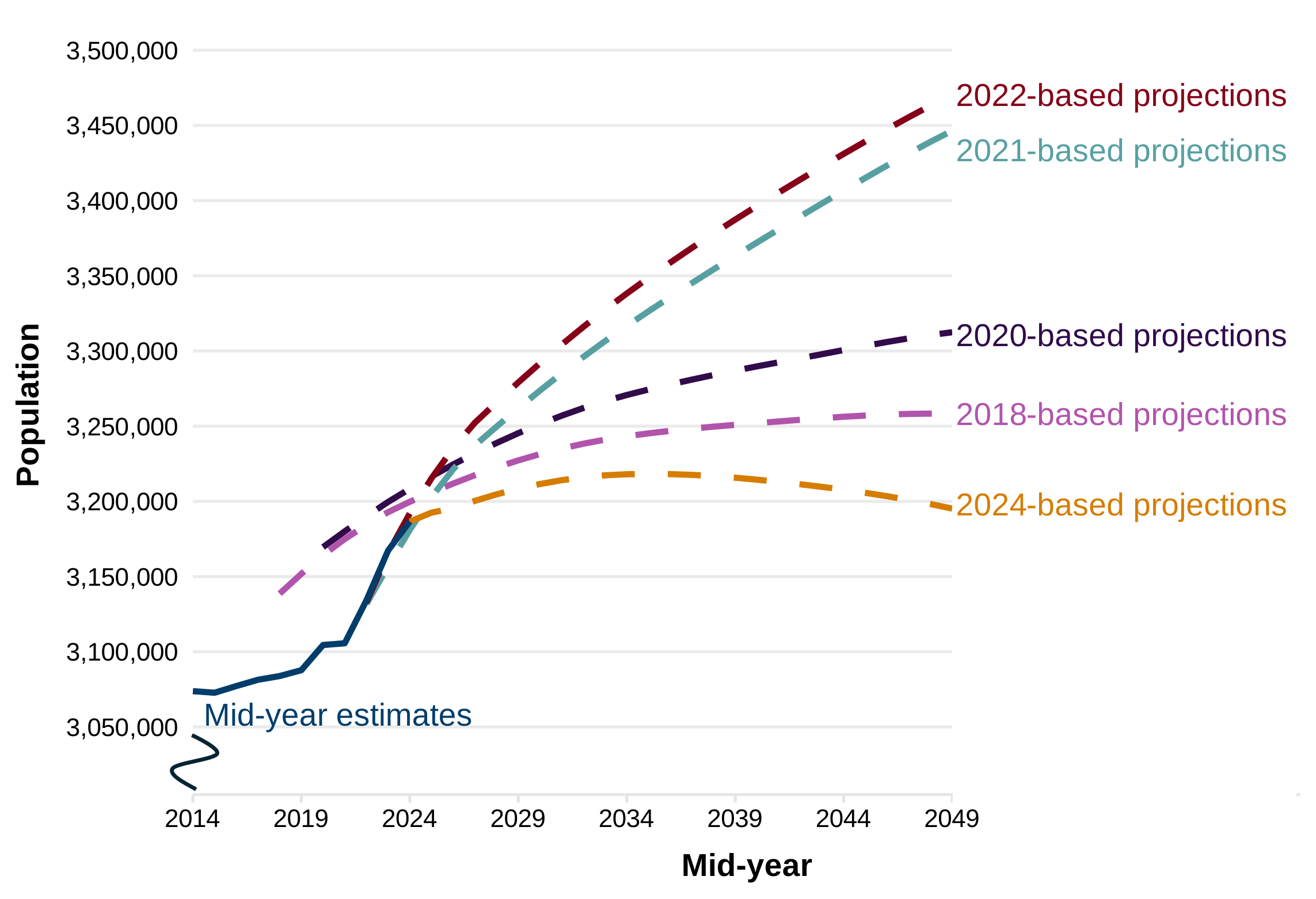
Description of figure 6: line chart showing that the 2024-based population projections for Wales show a slight increase up until mid-2035 before a decrease in the population to the end of the period. All previous versions of national population projections in this chart are projecting population increase during the same period.
Source: National population projections, ONS; Population estimates, ONS
2024-based national population projections by age, sex and year, on StatsWales
[Note1] The y-axis on this chart does not start at zero.
Previous national population projections can be found on the ONS website.
The above chart shows the differences between previous projections. The 2024-based principal population projection for Wales is lower than any of the previous principal national population projections for Wales. It is the only set of projections to show a decrease in the population during the period.
The projections trend differs from that seen in the 2022-based projections. This is because lower assumed future levels of migration and fertility. Furthermore, over the early part of the projections period the relatively large post-second world war birth cohorts are projected to reach older ages, leading to increases in the number of deaths until mid-2058.
Quality and methodology information
2024-based national population projections, UK
The ONS has released a full set of projections for the UK. This includes principal and variant projections for the UK, Great Britain, England, Wales, Scotland and Northern Ireland.
Variant projections for Wales
In addition to the principal projections analysed above, a full set of variant projections have also been published for Wales (ONS). This includes a variety of projections incorporating differences to migration, fertility, life expectancy and age structure.
Official statistics status
All official statistics should show the standards of the Code of Practice for Statistics (UK Statistics Authority).
These are accredited official statistics, published by the ONS. They were independently reviewed by the Office for Statistics Regulation (OSR) in April 2019. They comply with the standards of trustworthiness, quality and value in the Code of Practice for Statistics.
It is Welsh Government’s responsibility to maintain compliance with the standards expected of accreditation. If we become concerned about whether these statistics are still meeting the appropriate standards, we will discuss any concerns with OSR promptly. Accreditation can be cancelled or suspended at any point when the highest standards are not maintained, and reinstated when standards are restored.
Accredited official statistics are called National Statistics in the Statistics and Registration Service Act 2007.
Statement of compliance with the Code of Practice for Statistics
Our statistical practice is regulated by the OSR. OSR sets the standards of trustworthiness, quality and value in the Code of Practice for Statistics that all producers of official statistics should adhere to.
All of our statistics are produced and published in accordance with a number of statements and protocols to enhance trustworthiness, quality and value. These are set out in the Welsh Government’s Statement of Compliance.
These accredited official statistics (OSR) demonstrate the standards expected around trustworthiness, quality and public value in the following ways.
For information about how these accredited official statistics, published by the ONS, demonstrate the standards expected around trustworthiness, quality and public value, see the ONS' quality and methods guide on national population projections.
Quality
The Welsh Government is part of the National Population Projections (NPP) Committee, which oversees the population projections process. This committee includes representatives from the ONS and the devolved administrations, and is accountable to the National Statistician and Registrars General.
Quality assurance of the projections is performed by Welsh Government statisticians alongside other members of the NPP Committee. This includes assurance of the assumptions, data and methods used in producing the projections. Further information of quality assurance can be found in ONS' quality and methods guide.
You are welcome to contact us directly with any comments about how we meet these standards. Alternatively, you can contact OSR by emailing regulation@statistics.gov.uk or via the OSR website.
Contact details
Population and census statistics
Email: stats.popcensus@gov.wales
Media: 0300 025 8099
SB 14/2026