Public understanding of human rights and the role of misinformation: a rapid evidence review
This research aimed to explore how people come to understand human rights and how misinformation shapes this understanding.
In this page
Introduction and background
This report presents the findings of a rapid review of the evidence on public understanding of human rights, and the effect of misinformation and disinformation on this understanding. The findings will support human rights policy development, delivery and monitoring and contribute to the evidence base.
For the purposes of this review, misinformation refers to false or misleading information that is shared without intent to deceive, whereas disinformation refers to false or misleading information that is deliberately created or disseminated to mislead others (see glossary). UNESCO and the United Nations distinguish the 2 concepts primarily on the basis of intent, with disinformation involving a deliberate attempt to deceive and misinformation involving the unintentional sharing of inaccurate information (United Nations, 2026a; 2026c). In practice, many of the sources included in this review use the terms interchangeably and focus on their shared effects on public understanding, trust, attitudes, and decision-making rather than on the distinction itself. Where the evidence reviewed does not clearly differentiate between misinformation and disinformation, this review follows the terminology used by the original source.
The review aims to answer the following 4 research questions:
- What approaches have been used to raise awareness and understanding of human rights in different contexts (e.g. governments, education systems, non-governmental organisations (NGOs), and community organisations)?
- How does misinformation, disinformation, and media framing affect public attitudes, understanding, and trust in human rights concepts and institutions?
- Which approaches or interventions have shown evidence of improving human rights understanding or countering misinformation and disinformation, and in what contexts? This includes considering the strength of the available evidence, whether impacts can be measured, and the extent to which changes can be attributed to the intervention itself.
- What contextual, social, structural, and digital factors act as barriers or enablers to public awareness and understanding of human rights?
Broadly, the first question explores approaches to raising understanding of human rights, the second explores the impact of misinformation and disinformation on understanding, the third explores the relative success of interventions to raise understanding, and the fourth explores contextual barriers and enablers to understanding.
Background and aims
To support ongoing development of human rights policy, Welsh Government has identified a need for more evidence of how public understanding of human rights is developed and supported, and how misinformation and disinformation shape public perceptions and understanding of human rights.
The evidence review will synthesise and present available evidence and will not make policy recommendations.
The primary aim of the review is to synthesise evidence on human rights awareness and misinformation.
This is underpinned by the following objectives:
- To map awareness-raising approaches including any evaluation of the impact of these approaches.
- To review available evidence on the effects misinformation about human rights on awareness and realisation of rights.
- To identify strengths and gaps in the evidence base.
Methodology
Search and screening
The rapid evidence review was prepared by the Welsh Government Equality Evidence Unit (EEU), using a set of literature searches carried out by the EEU, with support from the Welsh Government Library Services. The searches were carried out between 2 and 10 March 2026 on 2 academic databases (Web of Science and Science Direct) and a grey literature search site (perplexity.ai). Keywords with a focus on “human rights” and “civil liberties” were used in combination with secondary and tertiary keywords such as “awareness”, “understanding”, “barriers”, and “facilitators”. Wildcards were used to allow broader searching (e.g. program* for programme, programmes, programming, etc.). The search terms and syntax are provided in the Annex.
The search included academic studies, grey literature, anecdotal and small-scale quantitative and qualitative studies from any global context, published within the last ten years (2016 to 2026). Books, book chapters, conference papers and short pieces (e.g. corrections and notes) were excluded, as were publications not in English.
Searches in the two academic databases yielded 979 unique results, of which 236 were in an excluded format (e.g. books) and 87 were not in English. The remaining 656 sources were subjected to a two-stage screening process. First, titles and abstracts were screened for potential relevance and usefulness by a primary reviewer, and a sample of these were screened by a secondary reviewer, with disagreements discussed informally. Sources were marked as one of “relevant” (n=174), “possibly relevant” (n=129), or “not relevant” (n=354). Full texts were requested for those that were relevant or possibly relevant. Central to each screening decision was whether the source had a focus on public understanding of human rights and the mechanisms and levers by which this is improved and hindered.
Some initial topics were identified in the abstracts, and either included or excluded from the full text review stage. Sources that were related to awareness or understanding of human rights were included. For example, sources on human rights violations, philosophical aspects, and the realisation of specific human rights were excluded; sources on attitudes to human rights, barriers or enablers to effective human rights education, and media framing of human rights were included.
In the second phase, the full text was sourced and if available was assessed against a robustness checklist and against the research questions. A further 98 sources were not available (behind paywalls or out of publication) and a further 71 were excluded for not being a peer reviewed journal article or lack of relevance. This resulted in 133 academic papers for inclusion in the evidence review.
The grey literature search using perplexity.ai identified 19 key reports from NGOs and national governments, of which 7 were not available or accessible. A hand search of websites found a further 2 pieces.
This resulted in 132 academic papers and 14 publications from the grey literature informing the evidence review. The process is shown in the PRISMA diagram (Figure 1).
Figure 1: process of screening studies for inclusion in evidence review
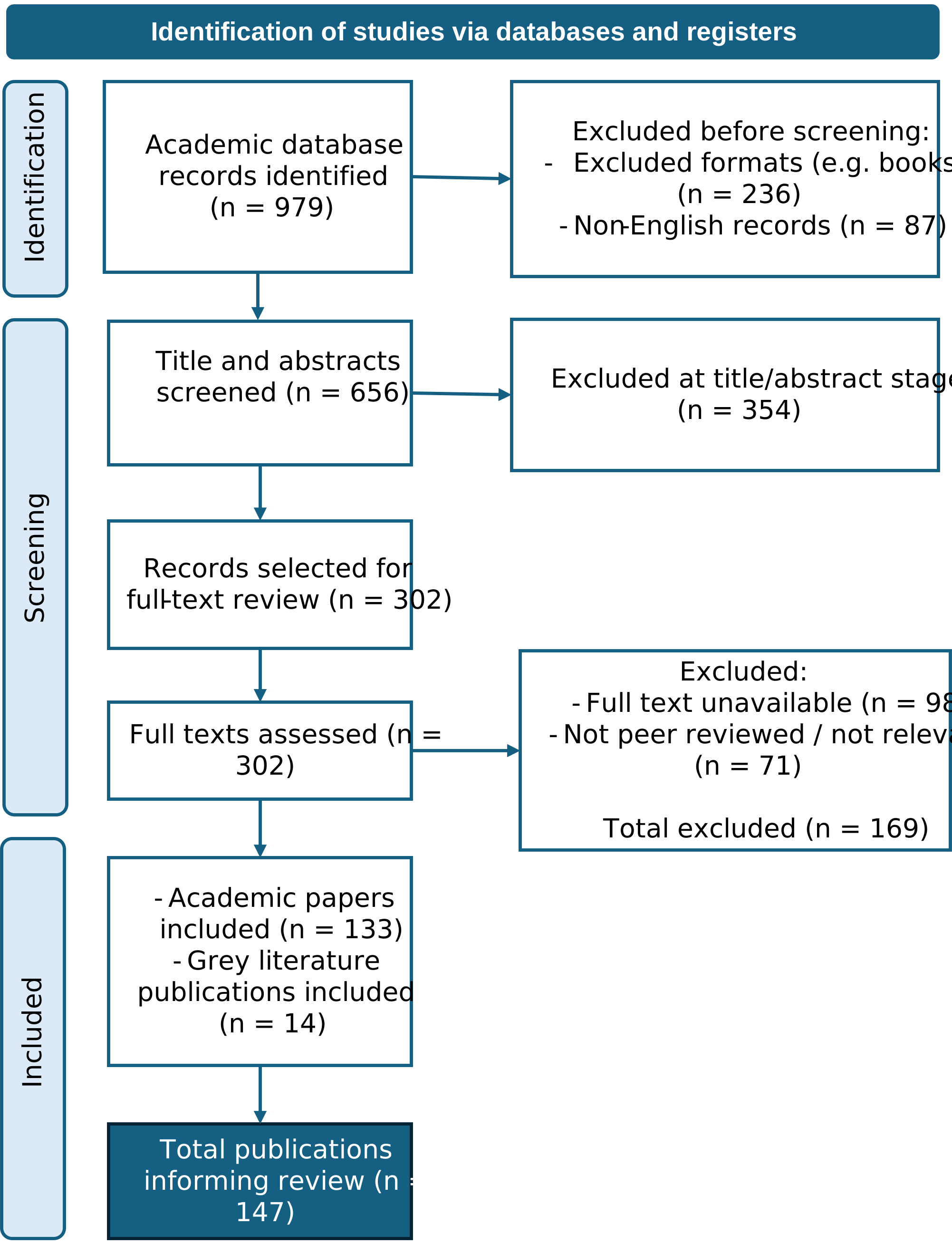
Description of figure 1: PRISMA flowchart illustrating study selection process for this evidence review, divided into Identification, Screening, and Included stages. It shows 979 records identified through databases, 323 sources excluded before screening, 656 screened with 354 excluded by title/abstract, 302 full-text articles assessed with 169 excluded, resulting in 147 total publications included.
Reading and synthesis
At first, publications were read and assessed with a focus on abstract, introduction and conclusions. Then other sections were assessed where they apply to the research questions. Extensive notes were created for each publication, with quotes, and themes were found inductively. CoPilot (Microsoft AI agent) was used iteratively as an analytical support tool to clean, organise, and synthesise notes and identify common patterns, themes, and relationships in the literature base. This was an iterative ‘human in the loop’ process of suggesting themes, re-reading the literature, and regrouping as understanding developed and followed the principles of ethical research integrating AI tools (UK Government Analysis Function, 2026). This method expedited the process and supported the development of a set of high-level themes that are grounded in the literature. These themes are discussed in the Findings section.
Findings
This section presents and discusses the findings of the rapid evidence review. It examines what is currently known about public understanding of human rights, and what the wider evidence tells us about how such understanding is formed, weakened and strengthened in practice. The review shows that understanding of human rights cannot be reduced to whether people know about rights or not. Across the literature, understanding is consistently described as something that is socially produced and shaped by context, rather than a simple outcome of information or education (Destrooper & Verclyte, 2022, Tibbitts, 2016). People may be aware of their human rights in a general sense, but this does not necessarily mean they understand them in a way that is meaningful or actionable (Herawati & Ermakov, 2022, Latifnejad et al., 2019, EHRC, 2023). Instead, understanding depends on whether rights are experienced in everyday life, reinforced through institutions, and supported by social and material conditions. The discussion in this review looks at the extent to which people understand their human rights but also goes beyond to look at how rights are experienced as personally meaningful and actionable in everyday life.
The evidence base itself reflects this complexity. Most studies are qualitative and interpretive, drawing on interviews, focus groups, case studies and ethnographic methods, and participatory research to explore how people experience and make sense of their human rights and the human rights of others (e.g. Cordeiro et al., 2022, Pratiwi & Sunaryo, 2025, Destrooper & Verclyte, 2022, Elenes, 2023). These qualitative studies use thematic or content analysis and place value on lived experience and reflective input. There is less large-scale quantitative evidence, and what exists tends to focus on awareness or attitudes rather than behaviour (e.g. Stavrou et al., 2024, Omar & Casero-Ripollés, 2023, Herawati & Ermakov, 2022). A significant portion of the literature is conceptual or policy-oriented (for example. Hoffman et al., 2021, UNESCO, 2023, HRAC, 2026, Spampatti et al., 2025, Newham et al., 2020). There is limited scope to draw conclusions on causality or long-term impacts. Taken together, the evidence points toward a field that is rich in insight but relatively weak in robust evaluation.
Cross-cutting themes
Eight cross-cutting themes were identified during the literature reading and synthesis. Each theme focuses on a different aspect of how human rights come to be understood and misunderstood, how awareness often fails to translate into rights take up, and the conditions that make it more likely to do so. These 8 themes are closely interrelated and span multiple papers to form a framework of findings. The themes are:
- Rights function as social norms rather than legal rules. A recurring theme across the literature is that rights are often experienced and understood as social norms and everyday practices rather than solely as legal rules. People take rights seriously when they are embedded in everyday relationships, practices, and expectations, not by their presence in legislation.
- There is a persistent knowledge-action gap, with understanding of human rights frequently cited as failing to translate into claiming or exercising one’s human rights due to fear, reprisal, or a lack of support.
- Institutions may act as gatekeepers to rights, unintentionally shaping whether rights are enabled or blocked through the way they practise.
- Rights are understood as conditional and are selectively applied in practice, despite their universal nature. Some individuals or groups are perceived as more of less ‘deserving’ of rights, depending on citizenship status and perceived need.
- Fear, stigma, misinformation- and disinformation undermine rights-based culture by eroding trust and community cohesion.
- The legacy of colonisation and cultural context are important factors in exploring how rights are understood and accepted. Rights may be resisted when they are seen as abstract or culturally imposed and may be accepted when they are localised and connected to lived histories and memory.
- Human rights education can be effective in improving understanding, but especially where it is participatory (not just one-way teaching), sustained and culturally relevant.
- People's ability to exercise and benefit from their rights is strongly influenced by material and lived conditions such as poverty, health, caring responsibilities and inequality.
These 8 cross-cutting themes are not treated as discrete subsections; rather, they are recurring concepts that appear across the literature and are drawn on where most relevant to each research question. While all the themes inform the analysis, some are closely aligned with particular questions. For example, “rights functioning as social norms rather than legal rules” is most relevant to RQ1 on approaches to increasing understanding, while “people’s lived conditions as the best test of rights” is most central to RQ3 and RQ4, which focus on evidence of impact and on barriers and enablers to understanding.
Across the literature, understanding of human rights is frequently discussed in relation to action. For the purposes of this review, action refers broadly to behaviours that involve exercising, claiming, supporting, or defending human rights in practice. This may include accessing services and entitlements, reporting or challenging perceived rights violations, participating in decisions that affect their own lives, supporting the human rights of others, engaging with community organisations, taking part in civic and democratic activities. Many studies distinguish between awareness or understanding of rights and the confidence, opportunity, or willingness to act upon that awareness (Ganju et al., 2016, Perkins et al., 2019, Tuakli-Wosornu et al., 2022, Kwon et al., 2020).
Together, the findings from this review suggest that improving public understanding of human rights requires more than education or public communication: it depends on whether rights are truly made meaningful in everyday life, through institutions, trustworthy information sources, and the social and material conditions that allow people to exercise their rights.
Research question 1: approaches to raising awareness and understanding of human rights
Across the literature, most approaches to raising awareness are based on communicating knowledge about rights, often through education, policy frameworks, or public campaigns. These approaches tend to present rights as legal rules, formal entitlements, or abstract principles (Eberbach, 2023, Ubachs, 2016, Pratiwi & Sunaryo, 2025, de Kort, 2018). While this can increase recognition of rights terminology, it often produces only a surface-level understanding, where people are familiar with the idea of rights but lack the ability or confidence to apply them in practice (Herawati & Ermakov, 2022, Latifnejad et al., 2019).
In particular, professional and educational settings often prioritise the transmission of knowledge but give less attention to developing the skills needed to claim rights or challenge violations (Eberbach, 2023). Reflecting this concern, Ubachs (2016:3) argues that “presenting human rights from such a predominantly legal(istic) perspective drastically curtails their potential to reach people.” This suggests that approaches focused primarily on legal knowledge may struggle to foster deep engagement with rights in everyday life.
In contrast, evidence suggests that more effective approaches are those that frame human rights as part of everyday social norms and practices. Rather than being understood as distant legal concepts, studies included in this review argue that rights are learned through relationships and shared expectations. Tibbitts (2018:4) argues that, for human rights to become “a legal and moral framework that is self‑evident in the political culture of a country”, they must become “part of the fabric of values that are acted on in daily life.” This perspective is echoed across several studies that emphasise the importance of social learning and everyday practice in shaping understanding of human rights (Tibbitts, 2018; Alderson, 2016; Moka-Mubelo, 2019; Destrooper & Verclyte, 2022).
The evidence reviewed points to a distinction between surface-level awareness and internalised understanding. In this sense, awareness means recognising that human rights exist, whereas understanding involves internalising and integrating those rights into values, identity, and behaviour. The literature, included in this review, indicates that most interventions achieve the former but struggle with the latter. Authors frame internalisation as dependent on whether rights are experienced as personally meaningful and emotionally relevant, rather than as technical or external obligations (Toczyski, 2023; Pratiwi & Sunaryo, 2025; Ulubey & Aykaç, 2016). This may explain why some approaches can fail to translate into deeper understanding.
This distinction is also reflected in recent UK polling. A YouGov survey reported by the British Institute of Human Rights found that public support for human rights protections remained relatively strong, despite many respondents reporting limited knowledge of the European Convention on Human Rights (British Institute of Human Rights, 2025). This suggests that positive attitudes towards human rights can coexist with limited understanding of the legal frameworks through which those rights are protected.
Public understanding of human rights is mediated by institutions and the people who represent those institutions. People learn about their human rights from teachers, social workers, healthcare providers, and other professionals who interpret and apply them in practice (Sharma, 2022; Carvalho et al., 2022). The result of this learning depends on how these institutions understand and value rights (Council of Europe, 2022; Huus et al., 2016; Pratiwi & Sunaryo, 2025). For example, the Council of Europe (2022:5) notes that “teachers’ perceptions and values may not always align with the values promoted in the curriculum” which impacts the way they deliver human rights education in various contexts. This suggests that educators and other professionals do not simply transmit rights-based messages but actively interpret and shape those messages. The Council of Europe report (2022) advocates for human rights training for teachers alongside robust monitoring and evaluation.
Public understanding of human rights may be shaped by the contexts within which they learn about them. For example, Torres and Qin (2017) found that secondary school students in China generally supported freedom of expression, but support varied according to context, with older students and those with more positive opinions about their school environments expressing stronger support for free speech. The findings suggest that attitudes towards rights may depend partly on social and institutional context, rather than being uniformly applied.
Finally, the evidence highlights the important role played by language and cultural context. Approaches that use a lot of legal terminology or rights frameworks that are derived from international and European human rights traditions may feel abstract or irrelevant in some contexts, and this in turn may reduce engagement with the topic. In contrast, approaches that connect human rights to familiar concepts such as dignity, fairness, or local values tend to be more effective (Petcharamesree & Elbers, 2019; Giliomee, 2023; Mwapaura et al., 2024; Destrooper & Verclyte, 2022). For example, evidence from Cambodia highlights the importance of using locally meaningful language when discussing rights. Reflecting on a programme that adapted human rights materials to local cultural context and language in Cambodia, Kane et al. (2024) observed that “for some of our participants, human dignity was perceived as less politically sensitive than other human rights concepts”. One of their participants described human rights as “controversial”; “when we use the word ‘human rights’, people slightly turn away, but people do not react much to human dignity.” The authors argue that, in this linguistic and cultural context, concepts such as dignity may resonate more strongly than formal rights terminology because they are perceived as more familiar and culturally relevant.
Overall, the literature suggests that improving understanding needs more than providing information; it needs to embed human rights in the social, cultural, and institutional environments in which people live.
Research question 2: misinformation, disinformation and fake news
This review uses the UN definitions of misinformation and disinformation. Both refer to the sharing of false or misleading information but they differ in terms of intent: misinformation is not intended to deceive, while disinformation is deliberately deceptive. Where intention is not clear, this review uses ‘misinformation’ as an umbrella term for false or misleading content. The literature suggests that misinformation does not simply distort facts about human rights; it interacts with how understanding is formed in the first place. Where understanding is limited or fragmented, people are more vulnerable to misleading or competing narratives (Savaş & Dinç, 2025; Gilett-Swan et al., 2025). Confusion amongst the public about key concepts can make it difficult to distinguish between accurate and inaccurate information, reducing engagement and trust.
Human rights messages often compete with alternative narratives that are more emotionally engaging or easier to understand. In cases where rights are presented in abstract or legalistic terms they may struggle to resonate, and this leaves space for other interpretations to take hold (Spampatti et al., 2025; Ubachs, 2016; Liou, 2025). Reflecting findings from behavioural and psychological research, Spampatti et al. (2025:12) note that “when unchecked and spread across multiple channels, disinformation can lead entire collectives to have a distorted sense of reality”. This suggests that misinformation succeeds not simply because accurate information is absent, but because misleading narratives may be more emotionally compelling and cognitively accessible.
At the same time, understanding is shaped by the platforms and mechanisms that messages are delivered through. Media organisations, digital platforms, and state actors influence what information people see (and do not see), how information is framed, and what is considered credible (de Oliveira & Clementino, 2024; Amnesty International, 2022; Kaye, 2022). These actors function as gatekeepers, shaping public understanding of human rights by amplifying some narratives and marginalising others. In discussing digital platforms, Kaye (2022:140) argues that “technology companies continue to be capable of causing or mitigating, if not preventing, human rights harms”. This highlights the growing influence of platform governance decisions on public understanding of rights and access to reliable information.
Government responses to misinformation can themselves influence public understanding of human rights. Amnesty International (2022:15) argues that in some contexts “authorities determine what is considered true or false”, highlighting concerns that efforts to regulate misinformation may sometimes concentrate power over public discourse. The literature therefore presents information governance as a human rights issue in its own right, raising questions about who decides which information is legitimate and whose voices are heard. Fear-based narratives play a particularly important role in this process. During periods of crisis or perceived threat, it is noted by authors, included in this review, that human rights may be framed as something that can be traded for security, leading to increased acceptance of restrictions on civil liberties or other human rights protections (Omar & Casero-Ripollés, 2023; Swedish Institute, 2025; Geedy-Gill & Carriere, 2024; Udenze et al., 2021). For example, Omar and Casero-Ripollés (2023) found that higher exposure to news shared via social media during the COVID-19 pandemic was associated with greater fear and stronger preferences for security, leading to increased willingness to trade civil liberties for security. The authors describe the proliferation of misinformation and disinformation on social media sites during COVID as being an “infodemic” (Omar and Casero-Ripollés:9). In a similar way, Geedy-Gill & Carriere (2024) found that perceived threats increased support for restricting the rights of non-citizens, while at the same time support for the rights of citizens remained largely unchanged. Together, these findings suggest that fear-based narratives can contribute to selective support for human rights, presenting some rights as conditional rather than universal and making them contingent on factors such as citizenship or perceived threat.
Beyond specific misleading narratives, the literature emphasises the broader consequences of disinformation for social trust and democratic participation. Disinformation can erode confidence in institutions, experts, and other citizens while creating multiple competing interpretations of reality (Spampatti et al., 2025; Human Rights Council Advisory Committee, 2026; Deluggi & Ashraf, 2023). According to Spampatti et al., (2025:19) “unchecked and widespread disinformation can lead entire collectives to have a distorted sense of reality”, meaning that the consequences extend beyond individual misunderstanding. The authors therefore argue that disinformation should be regarded as “a systemic risk to individuals, institutions, and to the enjoyment of human rights” (Spampatti et al. (2025:1). The authors recommend rather than correcting isolated false claims that institutions embed “strategies [that] can effectively counter disinformation while retaining individuals’ rights to hold opinions and share information by merely providing people with additional information.” (2024:14).
Digital environments such as social media platforms can contribute to the amplification and reinforcement of misinformation within digital information environments (Spampatti et al., 2025; HRAC, 2026). These dynamics can undermine shared understandings of human rights and reduce trust in the digital environments that support democratic participation and rights-based engagement (Spampatti et al., 2025; de Oliveira & Clementino, 2024; HRAC, 2026). Recent advances in AI-generated content have increased the scale, speed and apparent credibility of disinformation, making misleading content more difficult to identify and challenge (HRAC, 2026).
Cultural context also shapes how misinformation is received. Where human rights are perceived as externally imposed or disconnected from local values, they are more likely to be rejected or reinterpreted (Moka-Mubelo, 2019; Tibbitts & Katz, 2017; Mwapaura et al., 2024). In these contexts, misinformation can reinforce existing scepticism.
Research question 3: evidence of the impact of approaches and interventions
Evidence of effectiveness
Evidence from intervention studies suggests that human rights education can improve awareness, attitudes and related outcomes in the short term. Stavrou et al. (2024) found improvements in rights awareness, empathy and attendance among primary school pupils in Greece following a human rights education intervention. Similarly, Lee and Lee (2025) reported significant increases in both human rights awareness and human rights sensitivity among nursing students in South Korea, while Crawford et al. (2017) found substantial improvements in students' human rights knowledge following a university-level course in Australia.
Together, these studies suggest that educational interventions can increase awareness and understanding. Yet, across the intervention literature, the most significant evidence gap is the lack of long-term follow-up. Most evaluations focus on short-term outcomes and provide limited evidence about whether these effects persist over time.
The knowledge-action gap
Across the evidence, a consistent finding is the persistent gap between knowledge and action. Increasing awareness does not reliably lead to changes in behaviour (UNESCO, 2023; Činčera et al., 2018; Newham et al., 2020; Lee & Lee, 2025). People may express support for human rights in principle while still holding more conditional views in practice.
The approaches that appear most effective are those that move beyond passive learning and involve participation, experience and reflection (Günay & Çöllüoğlu, 2025; Ulubey & Aykaç, 2016; Činčera et al., 2018). Ulubey and Aykaç (2016) found that creative drama classes improved attitudes towards human rights education and democracy, and increased participant’s self-reported empathy, confidence and self-expression. Similarly, Činčera et al. (2018) found that students participating in a human rights education programme reported greater awareness of human rights issues, confidence and empowerment.
An important mechanism underlying this process is a shift in identity. Interventions appear most effective when they help people understand themselves as active rights-holders rather than passive recipients of information (Stavrou et al., 2024; Günay & Çöllüoğlu, 2025; Kwon et al., 2020). Reflecting this idea, Stavrou et al. (2024:236) describe transformative human rights education as enabling learners "to change from passive recipients of knowledge to conscious rights holders". In these studies, a sense of agency appears to be important in translating understanding into action.
Evidence also suggests that participation itself can be important. Newham et al. (2020) highlight the positive effects of involving people in decisions that affect them, with one study reporting that 94% of participants felt involvement in decision-making had made a positive difference to them personally. While largely qualitative, this evidence suggests that meaningful participation can strengthen confidence, agency and engagement with human rights.
Conditions for success and limitations
The effectiveness of these approaches depends heavily on wider conditions. Interventions are more likely to succeed when they are supported by consistent institutional practices, sustained over time and reinforced across different settings (UNESCO, 2023; Hoffman et al., 2021; EHRC, 2023). Isolated or short-term initiatives tend to have limited impact.
Even where approaches are effective, their impact is often constrained by structural barriers. People may be aware of their rights and motivated to act but unable to do so because of practical barriers such as cost, access, discrimination or fear of consequences (Destrooper & Verclyte, 2022; Ganju et al., 2016; Perkins et al., 2019).
The evidence base itself has important limitations. There are relatively few studies that track long-term outcomes or measure behaviour change, and most evaluations focus on short-term changes in knowledge or attitudes (EHRC, 2023; Lee & Lee, 2025, Stavrou et al., 2024). As a result, there is still limited robust evidence on whether improvements in understanding lead to sustained changes in behaviour or rights-claiming over time (EHRC, 2023; Lee & Lee, 2025).
Research question 4: barriers and enablers to human rights understanding
Material and lived-condition barriers
The strongest barrier to human rights understanding identified in the literature is people’s material lived conditions. Poverty, insecurity of position and unmet basic needs shape whether people are able to act on their rights, regardless of how much they understand them. Structural factors such as income, housing, health, and access to services can make rights feel risky, irrelevant, or impossible to exercise (EHRC, 2023; Nadkarni & Sinha, 2016; Ganju et al., 2016:014). Evidence from several studies illustrates this gap between knowledge of human rights and the material circumstances needed to exercise them. Khatoon et al. (2024) found that “tribal young adults” in India were often aware of their rights but continued to face major deficits in basic services and living conditions. The authors observe, “although they are aware of their rights, they are missing basic human amenities like drinking water, sanitation facilities within premises, and drainage systems” (2024:1648).
Similarly, Tuakli-Wosornu et al. (2022) found that while many athletes were aware of their rights, most remained unaware of formal rights declarations and often lacked confidence to report violations. In a survey of athletes from 70 countries, they found a “disconnect between athletes’ rights-related knowledge, beliefs, awareness and experiences” (Tuakli-Wosornu et al. 2022:10). The authors theorise that beliefs about the feasibility putting rights into action drive cultural change rather than just knowledge and understanding of those rights in principle.
Together, this evidence suggests that knowledge alone is not sufficient. People may indeed understand their rights while lacking the practical resources, security or opportunities needed to exercise them.
Institutional barriers
The literature also identifies institutions as important gatekeepers of human rights. Organisational cultures, professional norms, hierarchies and accountability structures can influence whether rights are enabled or limited in practice, even where formal commitments exist (Erdman, 2017; Al-Hayat Center, 2020; Welsh Government, 2025).
Evidence suggests that institutions do not simply implement human rights; they interpret and prioritise them. As a result, rights-based approaches may come into tension with competing priorities such as efficiency, risk management, resource constraints or established professional practices. Discussing healthcare settings, Erdman (2017:8) argues that “health care practices violent or abusive in their very nature are routinely rationalized on grounds of administrative efficiency, behavior modification, or medical need [sic]”. The author argues that rights can be undermined not only through explicit opposition, but also through routine institutional decision-making. In this context, Erdman posits that human rights education should seek to engage critically with social and institutional norms to support cultural change.
Fear, stigma and the selective application of rights
Evidence suggests that fear, stigma, and misinformation further weaken engagement with human rights. Fear may discourage people from claiming rights, while stigma can influence perceptions of who is considered deserving of protection. Misinformation can reinforce these dynamics by shaping negative or misleading narratives (Ganju et al., 2016; EHRC, 2016; Omar & Casero-Ripollés, 2023).
Evidence from India highlights the importance of these barriers. In a large survey of female sex workers and men who have sex with men living in Andhra Pradesh, Ganju et al. (2016) found that stigma, neighbours and lack of awareness were among the most commonly reported barriers to claiming rights, while community organisations acted as important facilitators.
More broadly, the literature highlights the selective application of human rights, where popular support for rights varies depending on factors such as citizenship, perceived threat, or social distance (Geedy-Gill & Carriere, 2024; Rawat et al., 2025). This undermines the principle of universality and can lead to uneven protection of rights across different groups.
Cultural, linguistic and knowledge barriers
Cultural and epistemic barriers also shape how human rights are understood. Where rights are perceived as alien, imposed, or disconnected from local realities, they are less likely to be accepted or trusted (Mwapaura et al., 2024; Alnufaishan & Alanezi, 2021; Olanrewaju, 2020).
Language and literacy can act as a barrier to engagement with human rights. Olanrewaju (2020:189) observes that “the language of human rights education and activism … is the English language”, highlighting how rights education is often delivered through dominant languages rather than the languages people use in everyday life. This may make human rights appear distant or inaccessible, particularly where learners have to shoulder the additional mental burden of interpreting complex concepts in a second language.
In some contexts, this language barrier is compounded by the dominance of Western educational frameworks. For example, Mwapaura et al. (2024:91) argue that “the Zimbabwean education system has been described as Western‑based and discredits communities’ indigenous knowledge.” The authors suggest that this can create tensions where human rights education is not sufficiently connected to local cultures, histories and knowledge systems. More broadly, the literature indicates that rights are better understood when they are linked to people’s existing values and experiences rather than being presented solely as abstract legal principles (see Section 3.2).
Enablers of human rights understanding
Despite these barriers, the literature identifies several factors that support stronger understanding and engagement with human rights.
Emotional engagement and empathy appear to play an important role in helping people connect rights principles to their own lives and the experiences of others (Stavrou et al., 2024; Stone, 2023). Participatory learning environments, where individuals are actively involved and able to reflect on their experiences, are associated with deeper understanding and greater confidence (Leblebici & Yücel‑Toy, 2022; Waldorf et al., 2024).
Institutional alignment is another important enabler. Where policies, procedures and organisational cultures consistently reinforce rights-based approaches, individuals are more likely to encounter rights as meaningful and actionable in everyday contexts (UNESCO, 2023; Quennerstedt, 2022; Vance & Rivers, 2021, Soomro et al., 2025). Similarly, approaches that connect human rights to local values and lived experiences can increase their legitimacy and relevance (Kane et al., 2024; Oomen & Durmus, 2019; Mwapaura et al., 2024).
Several studies also suggest that awareness can support rights claiming where appropriate enabling conditions exist. For example, Perkins et al. (2019) found that awareness of maternal health rights was associated with greater use of antenatal care services among women in rural Bangladesh. Community organisations also appear to play an important facilitating role by helping individuals to understand and claim their rights (Ganju et al., 2016).
Finally, supportive living conditions are fundamental. When people’s basic needs are met and they are able to live in dignity, they are more likely to engage with and to act upon their rights in practice (Jang & Kim, 2022; Herawati & Ermakov, 2022; Hoffman et al., 2021).
Discussion
Across all 4 research questions, the evidence suggests that understanding of human rights is shaped by a combination of social, institutional, informational, structural and material factors. Awareness is an important foundation for understanding, but awareness alone is not sufficient to support meaningful exercise of rights. People are more likely to understand and act on their rights when those rights are embedded in everyday life, reinforced by institutions, supported by trusted information, and enabled by their living conditions. Where these conditions are absent, rights risk remaining abstract and difficult to claim in practice.
Implications for policy and practice in Wales
Relatively little evidence originates from Wales specifically, and implications are therefore inferred largely from international evidence and broader UK studies. However, several of the themes identified in this review are reflected in literature covering Wales. Hoffman et al. (2021) and EHRC (2023) both identify challenges relating to public awareness of rights, implementation and accountability, and the gap between policy commitments and lived experience.
The policy context in Wales is evolving. The Plaid Cymru Welsh Government's First 100 Days Plan included a commitment to take forward proposals to incorporate key United Nations human rights conventions into Welsh law, building on existing rights protections and embedding international standards in the design and delivery of devolved public services (Welsh Government, 2026). The findings of this review may therefore contribute to policy development in this area.
As the EHRC notes, there have been “extensive policy and legal developments to improve equality and human rights in Wales”, including the commencement of the Socio-economic Duty and the establishment of dedicated equality evidence units (EHRC, 2023:20). However, this landscape is also complex with stakeholders describing overlapping frameworks and limited clarity about responsibilities (Hoffman et al., 2021).
This reflects a broader issue identified across the literature: human rights are often treated as abstract or legal concepts, rather than something embedded in everyday practice. In 2020, the previous Welsh Government commissioned research to “examine options to strengthen and advance equality and human rights in Wales” (Hoffman et al., 2021:6). This research identified an implementation gap between policy ambition and reality (Hoffman et al., 2021). Despite strong frameworks, inequalities remain across key areas such as poverty, health, and education (EHRC, 2023; Joseph Rowntree Foundation, 2025), while stakeholders report a disconnect between “good intention and implementation” and weak accountability (Hoffman et al., 2021:38).
A key insight from this review is that understanding depends on whether human rights are meaningful and actionable. Evidence for Wales is of a small scale and qualitative nature, and further quantitative measurement of awareness and confidence are needed. However, Hoffman et al.’s findings mirror the wider knowledge to action gap evidenced through this report, where understanding does not necessarily lead to behaviour change.
The Welsh context also reinforces the importance of material conditions: a person may understand their right to challenge unfair treatment or access support, but poverty, insecure work, caring responsibilities or poor health may make exercising those rights impractical or too risky. Currently, 1 in 5 people (and 1 in 4 children) live in relative income poverty in Wales (EHRC, 2023). This can make human rights more difficult to exercise and, in some cases, may mean that human rights concepts feel less relevant to everyday life.
Conclusions and limitations
This rapid evidence review has found that public understanding of human rights is shaped less by awareness alone and more by whether rights are embedded in everyday life, institutions, and lived experience. Across the mostly qualitative evidence base, there is consistent support for the idea that rights function as social norms rather than purely legal constructs. Quantitative studies show some improvements in awareness and attitudes, and the qualitative evidence demonstrates a persistent gap between knowledge and action, with understanding influenced by trust in institutions and perceived relevance. Improving understanding therefore requires more than information provision; it depends on making rights meaningful and actionable.
In relation to misinformation and disinformation, the evidence suggests their impact is mediated by existing gaps in understanding. Where understanding is shallow, misinformation is more likely to take hold, particularly when it is emotionally engaging or aligns with existing beliefs. Although direct evidence on human rights is limited, conceptual and qualitative studies consistently show that media systems, digital platforms, and trust in institutions shape how rights are understood. Addressing misinformation therefore involves not only correcting inaccuracies but also strengthening the clarity and credibility of rights-based communication. Human rights messages are more effective when communicated through locally meaningful language and culturally resonant concepts such as dignity, fairness and shared values.
Recent UK polling also suggests that support for human rights may remain relatively robust even where detailed knowledge of human rights frameworks is limited, reinforcing the distinction between positive attitudes towards rights and deeper understanding of how rights function in practice (BIHR, 2025).
The literature also uses a range of approaches to measuring awareness and understanding. Measures include self-reported awareness, factual knowledge of rights, attitudes towards human rights, confidence to exercise rights, and behavioural indicators such as civic engagement or rights-claiming (Herawati & Ermakov, 2022; Kwon et al., 2020; Perkins et al., 2019). Consequently, findings should be interpreted with caution, as studies are not always measuring the same underlying concepts.
The review also finds that interventions are most effective when they are participatory, sustained, and supported by wider institutional and social conditions. Evidence suggests that approaches fostering reflection, dialogue, and agency are more likely to achieve deeper understanding than knowledge-based approaches alone. However, there is limited robust evidence on long-term impact. Structural factors such as poverty and inequality remain key barriers that often override knowledge and reducing the ability to act on human rights.
Overall, the review maps approaches to improving understanding, examines the influence of misinformation, and identifies strengths and gaps in the evidence base, particularly around evaluation and impact. It provides a useful synthesis of the evidence and illustrates how building understanding depends on the interaction between education, institutions, information environments, and lived conditions.
Limitations
This review has several limitations. As a rapid review, the search was time-limited and restricted to English-language and available (not paywalled) sources, meaning some relevant studies may have been excluded. There may also be gaps in geographic representation, particularly where evidence was not publicly available.
The evidence base itself is mostly qualitative and small-scale. While this provides rich insight into how understanding is experienced, it limits conclusions about causality and generalisability. There are relatively few large-scale or longitudinal quantitative studies, particularly on behavioural outcomes and long-term impact, so findings are largely interpretive.
Finally, there are specific evidence gaps. Direct research on misinformation and human rights is limited, with insights often drawn from related fields. There is also a lack of Wales-specific evidence and few studies providing UK-specific evidence. These gaps highlight the need for further research, particularly on intervention effectiveness, the influence of social media and digital environments, and context-specific evidence to inform policy.
Glossary
Disinformation
Disinformation refers to the deliberate dissemination of false or misleading information, often intended to deceive or manipulate an individual or a group of people (UNESCO, 2026a).
Epistemic
Relating to knowledge and understanding, including how people learn, interpret and make sense of information (Cambridge University Press, 2026).
Human rights
Fundamental entitlements inherent to all individuals, regardless of nationality, gender, ethnicity, or any other status (UNESCO, 2026b).
Misinformation
Misinformation is false information that is shared inadvertently, without meaning to cause harm (UNESCO, 2026c).
Annex
Search terms
Each primary search term is searched for in combination with each of the secondary and tertiary terms until all combinations are carried out (for example, ‘human rights’ + ‘understand*’ + ‘strategy’ …). Note that an asterisk indicates that the search will include multiple suffixes (for example, programme, program, programmes, programs).
Primary search terms
- Human rights
- Civil liberties
Secondary search terms
- Awareness
- Understand*
- Knowledge*
- Literacy
- Perception*
- Attitude*
- Educat*
- Misinformation
- Disinformation
- Fake news
- Propaganda
- Media framing
- Information disorder
Tertiary search terms
- Intervention
- Campaign*
- Program*
- Messag*
- Strategy
- Initiative*
- Barrier*
- Facilitator*
- Enabler*
- Factor*
- Determinant*
- Digital
- Structural
- Social
- Cultural
- Evaluat*
- Impact*
Web of Science search syntax sample
((TI=("Human rights")) AND (TI=(Awareness)) AND (TI=(Intervention))) OR
((TI=("Human rights")) AND (TI=(Awareness)) AND (TI=(Campaign*))) OR
((TI=("Human rights")) AND (TI=(Awareness)) AND (TI=(Program*))) OR
((TI=("Human rights")) AND (TI=(Awareness)) AND (TI=(Messag*)))
Science Direct search syntax sample
( TITLE ( "Human rights" ) AND TITLE ( Awareness ) AND TITLE ( Intervention ) ) OR
( TITLE ( "Human rights" ) AND TITLE ( Awareness ) AND TITLE ( Campaign* ) ) OR
( TITLE ( "Human rights" ) AND TITLE ( Awareness ) AND TITLE ( Program* ) ) OR
( TITLE ( "Human rights" ) AND TITLE ( Awareness ) AND TITLE ( Messag* ) )
References
- Adonteng-Kissi, O. (2018). Parental perceptions of child labour and human rights: A comparative study of rural and urban Ghana. Child abuse & neglect, 84, 34-44.
- Agudelo-Hernández, F., Vélez-Botero, H., & Guapacha-Montoya, M. (2025). Results of quality rights on human rights engagement, stigma and attitudes towards mental health among Colombian medical students. Plos one, 20(2), e0319431.
- Ahmad, A.K., Abu Shammalah, A., Aljalabneh, A.A. and Manajreh, M. (2026). The role of social media in shaping Jordanian women’s attitudes towards human rights issues. Online Journal of Communication and Media Technologies, 16(1), e202602.
- Ahmed, A. K. (2018). Disrupting power/entrenching sovereignty: The paradox of human rights education. Prospects, 47(1), 3-16.
- Alderson, P. (2016). International human rights, citizenship education, and critical realism. London Review of Education, 14(3).
- Al-Hayat Center – RASED (2020). Assessment report: Implementation of the Comprehensive National Plan for Human Rights 2016–2025. Friedrich-Ebert-Stiftung, Amman Office.
- Alnufaishan, S. and Alanezi, N.S. (2021). Between a rock and a hard place: Decolonising religious and human rights education. British Journal of Religious Education, 43(1), pp. 91–102.
- Amnesty International (2022). A human rights approach to tackle disinformation. Submission to the Office of the High Commissioner for Human Rights (last accessed 24 August 2026).
- Arves, S. and Braun, J. (2019). On solid ground: Evaluating the effects of foundational arguments on human rights attitudes. Human Rights Review, 20, pp. 181–204.
- Bajaj, M., Canlas, M. and Argenal, A. (2017). Between rights and realities: Human rights education for immigrant and refugee youth. Anthropology & Education Quarterly, 48(2), pp. 124–140.
- Balarabe, K. (2021). Dataset on human rights awareness in Northwest Nigeria. Data in Brief, 39, 107547.
- Becvar, K., Carpenter, C., Leidner, B. and Young, K.L. (2024). The “First daughter” effect: Human rights advocacy and attitudes toward gender equality in Taliban-controlled Afghanistan. PLOS ONE, 19(7), e0298812.
- British Institute of Human Rights. (2025). New polling: Public support for human rights stands firm, but knowledge gaps remain (last accessed: 13 August 2026).
- Bujic, M., Salminen, M., Macey, J. and Hamari, J. (2020). “Empathy machine”: How virtual reality affects human rights attitudes. Internet Research, 30(5), pp. 1407–1425.
- Burnett, C. (2021). Reflections on human rights education from the orphans and vulnerable children (OVC) sector in Mozambique. Cogent Social Sciences, 7(1), 1860275.
- Cambridge University Press. (n.d.) Epistemic. Cambridge Dictionary (last accessed: 13 August 2026).
- Carvalho, A. L., Luna, J. M. F., & Santos, J. M. S. (2022). Education in human rights: The perception of teachers in a public school. Revista Ibero‑Americana de Estudos em Educação, 17(1), 532–551.
- Cho, H. J. (2019). Rethinking democracy and human rights education on the seventieth anniversary of the Universal Declaration of Human Rights. Asia Pacific Education Review, 20, pp. 171–180.
- Činčera, J., Skalík, J. and Binka, B. (2018). One world in schools: An evaluation of the human rights education programme in the Republic of Georgia. Cambridge Journal of Education, 48(6), pp. 769–786.
- Correa‐Chica, A., Caicedo‐Moreno, A., Rincón‐Unigarro, C., Castro‐Abril, P., & López‐López, W. (2024). Episodic versus thematic media framing of violence against social leaders and human rights defenders in Colombia. International journal of psychology, 59(3), 390-397.
- Council of Europe (2022). Third review (2022) of the implementation of the Council of Europe Charter on Education for Democratic Citizenship and Human Rights Education. CP-YD/ETD (2022) 207, Strasbourg.
- Cordeiro, K. M., de Souza, I. M. D. S., & Costa, R. P. (2022). Media and Human Rights Education: New Times, New Challenges. Education Policy Analysis Archives, 30(41), n41.
- Crawford, E., Aplin, T., & Rodger, S. (2017). Human rights in occupational therapy education: A step towards a more occupationally just global society. Australian Occupational Therapy Journal, 64(2), 129-136.
- De Kort, F. (2018). Human rights education in social studies in the Netherlands: A case study textbook analysis. Prospects, 47, 55–71.
- Deluggi, N., & Ashraf, C. (2023). Liars, skeptics, cheerleaders: Human rights implications of post-truth disinformation from state officials and politicians. Human rights review, 24(3), 365-387.
- Destrooper, T. and Verclyte, S. (2022). Artistic practices as a site of human rights: How performative ethnography Can facilitate a deeper contextual understanding , Journal of Human Rights Practice, 13(3), pp. 565–584.
- Dima, M., Xanthaki, A., Deniozou, T., & Luoma, C. (2022). The rights Hero–Serious games for human rights education and integration of migrant and refugee children in Europe. The International Journal of Children's Rights, 30(1), 41-71.
- Eberbach, K. (2023). Human Rights Legal Education in Times of Transition: Perspectives and Practices of Law Instructors in Myanmar: K. Eberbach. Human Rights Review, 24(4), 485-509.
- EHRC (2016). Is England Fairer? London: Equality Human Rights Commission.
- EHRC (2023). Equality and Human Rights Monitor: Is Wales Fairer? London: Equality Human Rights Commission.
- Ekblad, S. (2020). To Increase Mental Health Literacy and Human Rights Among New-Coming, Low-Educated Mothers With Experience of War: A Culturally, Tailor-Made Group Health Promotion Intervention With Participatory Methodology Addressing Indirectly the Children. Frontiers in Psychiatry, 11, 611.
- Elenes, C. A. (2023). Autoethnographic reflexion: Chicana feminist border/transformative pedagogies and human rights education. Journal of Latinos and Education, 22(3), 1236-1249.
- Erdman, J.N. (2017). Human rights education in patient care. Public Health Reviews, 38, 14.
- Fahey, É., O’Brien, D., Russell, H., & McGinnity, F. (2019). European survey data on attitudes to equality and human rights. Dublin: ESRI.
- Ganju, D., Patel, S. K., Prabhakar, P., & Adhikary, R. (2016). Knowledge and exercise of human rights, and barriers and facilitators to claiming rights: a cross-sectional study of female sex workers and high-risk men who have sex with men in Andhra Pradesh, India. BMC International Health and Human Rights, 16(1), 29.
- Geedy‐Gill, T., & Carriere, K. R. (2024). Rights for me but not for thee: Restriction of human rights based on group membership and threat perceptions. International Journal of Psychology, 59(2), 246-256.
- Gbagbo, F. Y., Rockson, G. N. Y., Quansah, F., & Golo, H. K. (2025). Awareness of anthropogenic climate change and its perceived implications for the fundamental human rights of young women in coastal communities in Effutu Municipality, Ghana. Social Sciences & Humanities Open, 12, 102319.
- Giliomee, C. (2023). A new path to cultivate human rights education at schools of social work in Africa from a decolonial lens. Social Work Education, 42(2), 263-278.
- Gillett‐Swan, J., Monta, C. C., & Shanks, R. (2025). A systematic review of definitions of rights education for children: Children's rights education (CRE), children's human rights education (CHRE), and other rights education subtypes. Review of Education, 13(3), e70104.
- Günay, D., & Özün Çöllüoğlu, Z. M. (2025). An examination of the transformative effect of learning by teaching method in human rights education. Journal of Political Science Education, 21(1), 105–122.
- Guzmán, V., Larrain, A., Álvarez, C., Fernández, I., Herrera Araya, D., & Urrutia, C. (2023). Design-based development of educative curriculum material for deliberative human rights education. Journal of Curriculum Studies, 55(4), 489-507.
- Hoffman, S., Nason, S., Beacock, R., Hicks, E. (with contribution by Croke, R.). (2021). Strengthening and advancing equality and human rights in Wales. Cardiff: Welsh Government, GSR report number 54/2021.
- Herawati, A. V., & Ermakov, D. S. (2022). Human rights education in Indonesian higher education institutions: Opinions of students and teachers. Cakrawala Pendidikan, 41(02), 541-552.
- Huus, K., Dada, S., Bornman, J., & Lygnegård, F. (2016). The awareness of primary caregivers in South Africa of the human rights of their children with intellectual disabilities. Child: care, health and development, 42(6), 863-870.
- Human Rights Council Advisory Committee (2026). Impact of disinformation. UN.
- Jang, K. A., & Kim, Y. R. (2022). Effect of Korean Dental Hygienists’ Experiences Related to the Elderly on Their Perception of Human Rights Violations of the Elderly: A Cross-Sectional Study. International Journal of Environmental Research and Public Health, 19(6), 3376.
- Joseph Rowntree Foundation. (2025). Poverty in Wales 2025.
- Kane, G., Killean, R., & Tann, B. (2024). Vernacularising human dignity in human rights education: a Cambodian case study. The International Journal of Human Rights, 28(10), 1615-1639.
- Kasa, T., Brunila, K., & Toivanen, R. (2024). Reproducing inequality through ambivalence, ignorance, and innocence–Revisiting practices of equality and human rights in Finnish teacher education. Educational Review, 76(1), 145-165.
- Kaye, D. (2022). ‘Online propaganda, censorship and human rights in Russia's war against reality’ (Cambridge University Press), AJIL Unbound, 116, pp. 140–144.
- Khatoon, S., Johnson, A., Bhattacharya, P., Mukherjee, N., John, D., & Jayanna, K. (2024). Perception of human rights in health care: A cross-sectional study among tribal young adults of Puruliya, West Bengal. Journal of Family Medicine and Primary Care, 13(5), 1643.
- Kong, S., & Han, K. (2024). Human rights education experience for human rights sensitivity among Korean creative arts therapists: A focus on art and music therapists. The Arts in Psychotherapy, 87, 102125.
- Kwon, I., Lee, J., Cummings, C. E., Shamrova, D. P., Macomber, C. A., Milanović, E., ... & Hughes, A. K. (2020). Human rights attitude and civic engagement behavior among university students. Journal of Human Rights and Social Work, 5(3), 174-184.
- Latifnejad Roudsari, R., Karimi, F. Z. & Najmabadi, K. M. (2019). Comparing the attitude of undergraduate midwifery students regarding the legal and human rights aspects of abortion. Italian Journal of Gynaecology, 31(3).
- Leblebici, H., & Yücel-toy, B. (2022). Evaluation of the Human Rights and Democracy Education Course in Elementary Teacher Education Through Action Research. Çukurova Üniversitesi Eğitim Fakültesi Dergisi, 51(1), 659-687.
- Lee, S. A., & Lee, S. H. (2025). Effectiveness of migration and human rights education applying the ARCS model among nursing students. Edelweiss Applied Science and Technology, 9(4), 975-983.
- Liang, W. (2020). Teachers’ responses to human rights education policies and practices in a Chinese secondary school. Journal of Moral Education, 49(4), 529-544.
- Liou, R. Y. L. (2025). Back up or backfire? The impact of human rights sanctions on target citizens’ attitudes toward human rights and mobilizations. Journal of Global Security Studies, 10(4).
- Manyerere, D. J. (2025). Tanzania youth and social media: perceptions, experiences and implications for human rights violations. International Journal of Adolescence and Youth, 30(1).
- Moka-Mubelo, SJ, W. (2019). Towards a contextual understanding of human rights. Ethics & Global Politics, 12(4), 40-52.
- Mwapaura, K., Mushunje, M., Charamba, S., Risinamhodzi, N., & Simango, T. G. (2024). The relevance of indigenous knowledge systems in social work education and practice in Zimbabwe: A human rights perspective. Journal of Social Development in Africa, 39(2), 88-113.
- Nadkarni, V. V., & Sinha, R. (2016). Transforming social work education in India: integrating human rights. Journal of Human Rights and Social Work, 1, 9-18.
- Newham, R., Hewison, A., Graves, J., & Boyal, A. (2020). Human rights education in patient care: A literature review and critical discussion. Nursing ethics, 28(2), 190-209.
- Noyori-Corbett, C., & Moxley, D. P. (2021). Research informed competencies for human rights field education in social work. Journal of Human Rights and Social Work, 6(1), 59-66.
- Olanrewaju, O. (2020). An Evaluation of the Knowledge and Perception of the Concept of Human Rights by Residents of Selected Suburban Communities of Lagos, Nigeria. Journal of Human Rights and Social Work, 5, 185–190.
- de Oliveira, R. R. V., & Clementino, M. B. M. (2024). Disinformation, digital platforms and digital human rights. Cadernos de dereito actual, (25), 75-94.
- Omar, R.G. and Casero-Ripollés, A. (2023). The Role of News Post Consumption on Facebook in Shaping Youth Perceptions of Safety and Civil Liberties during COVID-19 in the U.S., Spain, and Egypt. Human Behavior and Emerging Technologies, 2023(1).
- Oomen, B., & Durmus, E. (2019). Cities and plural understandings of human rights: Agents, actors, arenas. The Journal of Legal Pluralism and Unofficial Law, 51(2), 141-150.
- Osler, A., & Skarra, J. A. (2021). The rhetoric and reality of human rights education: Policy frameworks and teacher perspectives. Multicultural Education Review, 13(3), 191-210.
- Perkins, J. E., Rahman, A. E., Siddique, A. B., Mazumder, T., Haider, M. R., & El Arifeen, S. (2019). Awareness and perceptions of women regarding human rights related to maternal health in rural Bangladesh. Journal of Global Health, 9(1).
- Petcharamesree, S. and Elbers, F. (2019) Human rights education and training. Background paper for the 19th Informal ASEM Seminar on Human Rights. 19th Informal ASEM Seminar on Human Rights: "Human Rights Education & Training" - Asia-Europe Foundation (ASEF).
- Pratiwi, C. S. (2020). Bridging the gap between cultural relativism and universality of human rights: Indonesia Attitudes. JILS, 5(2), 449-478.
- Pratiwi, C.S. and Sunaryo, S. (2025). Empowering University Students: Advancing Human Rights Knowledge and Advocacy Through Human Rights Defender Schools. Indonesian Journal of Legal Community Engagement, 8(2), 493-516.
- Quennerstedt, A. (2022). Children’s and young people’s human rights education in school: Cardinal complications and a middle ground. Journal of Human Rights, 21(4), 383-398.
- Rawat, R., Mishra, S., Tripathi, A., & Pandey, S. (2025). A Comparative Cross-sectional Study to Assess Knowledge Regarding Human Rights of Mentally Ill between Patient with Severe Mental Illness and People Without Mental Illness. Annals of Indian Psychiatry, 9(2), 130-136.
- Rekhis, M., Ouanes, S., Ben Hamouda, A., & Rafrafi, R. (2021). Human rights of people with mental illness diagnosis: perceptions among service users, family members and health professionals in Tunisia. Journal of Public Mental Health, 20(3), 182-190.
- Savaş, B., & Dinç, E. (2025). Identification and Elimination of Misconceptions in Human Rights and Democratic Citizenship Education. Journal of Qualitative Research in Education, (44).
- Sharma, B. (2022). A Study of Teachers' Human Rights Consciousness in Reference to 'Human Rights Education'. International Journal of Early Childhood Special Education, 14(1), 786-790.
- Soomro, R. B. K., Soomro, A. B., & Sahito, Z. (2025). Human Rights Education and Sustainable Development Goal 4. International Journal of Educational Development, 118, 103399.
- Spampatti, T., Pillai, R., Globig, L. K., Sternisko, A., & Van Bavel, J. J. (2025). Disinformation is a systemic risk to human rights: Input to the study on “The impact of disinformation on the enjoyment and realization of human rights” of the UN Human Rights Council Advisory Committee. United Nations Human Rights Council.
- Stavrou, V., Brouzos, A., Vassilopoulos, S. P., & Koutras, V. (2024). Evaluating the impact of human rights education on the adjustment of Greek primary school students. International Journal of Psychology, 59(2), 235-245.
- Stone, A. (2023). The relationship between attitudes to human rights and to animal rights is partially mediated by empathy. The Journal of Social Psychology, 163(3), 367-380.
- Swedish Institute for Human Rights. (2025). Annual report 2024. Institutet för mänskliga rättigheter.
- Tibbitts, F. L. (2016). Women’s human rights education trainers in Turkey: Situated empowerment for social change. Journal of Peace Education, 13(1), 41-59.
- Tibbitts, F. L. (2018). Human rights education: the good surf and reclaiming human rights. Netherlands Quarterly of Human Rights, 36(1), 64-74.
- Tibbitts, F., & Katz, S. R. (2017). Dilemmas and hopes for human rights education: Curriculum and learning in international contexts. Prospects, 47(1), 31-40.
- Torres Jr, M. S., & Qin, L. (2017). Chinese high school students’ perceptions of freedom of expression: Implications for researching emerging civil liberties in global educational contexts. Asia Pacific Education Review, 18(1), 53-64.
- Tuakli-Wosornu, Y. A., Goutos, D., Ramia, I., Galea, N. R., Mountjoy, M. L., Grimm, K., ... & Bekker, S. (2022). ‘Knowing we have these rights does not always mean we feel free to use them’: athletes’ perceptions of their human rights in sport. BMJ open sport & exercise medicine, 8(3).
- Ubachs, F. (2016). By addressing life trajectories and political violence, human rights education can overcome radicalizing narratives. London Review of Education, 14(3), 85-95.
- Udenze, S., Oshionebo, B., Iyorza, S. O. (2021). Media Framing of President Muhammadu Buhari’s Human Rights Abuses: a Study of The Punch, Vanguard, The Nation and Daily Trust Newspapers. Galactica Media: Journal of Media Studies, 3(1), 79-102.
- Ulubey, Ö., & Aykaç, M. (2016). Effects of human rights education using the creative drama method on the attitudes of pre-service teachers. The Anthropologist, 23(1-2), 267-279.
- UNESCO and the United Nations Office of the High Commissioner for Human Rights. (2023) Human rights education: Key success factors. UNESCO.
- UNESCO. (2026a). Disinformation.
- UNESCO. (2026b) Universal Declaration of Human Rights.
- UNESCO. (2026c) Misinformation.
- UK Government Analysis Function. (2026). Artificial intelligence (AI) Hub.
- Vance, M. M., & Rivers, M. (2021). Advancing a human rights practice approach in field education settings with justice-involved populations. Journal of Human Rights and Social Work, 6(1), 54-58.
- Wahl, R. (2016). Learning World Culture or Changing It? Human Rights Education and the Police in India. Comparative Education Review, 60(2), 293-310.
- Waldorf, L., Marambio, H. U., & Blades, H. (2024). Performing/Informing Rights: Mixing Inclusive Dance and Human Rights Education for Disabled People in Sri Lanka and Nepal. Journal of Human Rights Practice, 15(3), 748-762.
- Welsh Government. (2025). Strategic Equality and Human Rights Plan 2025 to 2029.
- Welsh Government (2026) The First 100 Days Plan: May to August 2026.
- Zembylas, M., Charalambous, C., & Charalambous, P. (2016). Teachers’ pedagogical perspectives and teaching practices on human rights in Cyprus: An empirical exploration and implications for human rights education. Pedagogies: an international Journal, 11(3), 197-217.
Contact details
Researcher: Equality Evidence Unit
Views expressed in this report are those of the researchers and not necessarily those of the Welsh Government.
For further information please contact:
The Equality Evidence Unit
Welsh Government
Cathays Park
Cardiff
CF10 3NQ
Email: equalityevidenceunit@gov.wales
Social research number: 86/2026