
Armed forces (National Survey for Wales): April 2024 and March 2025
Characteristics of veterans, and immediate family of veterans or UK Armed Forces members, between April 2024 and March 2025.
In this page
Introduction
This report sets out results for the armed forces questions in the National Survey for Wales during survey year 2024 to 2025. Approximately 6,000 people aged 16 or older took part in the survey between April 2024 and March 2025. The armed forces questions were asked in the interviewer-led section of the survey (which took place by telephone for some respondents and face-to-face for others).
Participants were asked whether they had previously served in the UK armed forces (regular or reserve – described as “veterans” in this bulletin), and whether anyone in their immediate family was a veteran or currently served.
Due to fieldwork issues encountered during the April 2024 to March 2025 survey, there were lower response rates compared with previous years, and smaller sample sizes. Therefore, confidence intervals are wider than previous years. However, these statistics are still appropriate to use. At a national level the survey continues to provide reasonable estimates, particularly when used alongside alternative sources. The smaller sample size means that some detailed breakdowns of the data on armed forces are not possible in this release.
Main findings
- 5% of people in Wales were veterans (that is, they had previously served in the UK armed forces).
- 28% of people had at least one immediate family member who was currently serving in the UK armed forces or who was a veteran.
Veterans were more likely to:
- be male
- be white (Welsh, English, British, Scottish or Northern Irish)
- be married or in a civil partnership, divorced or have had their civil partnership dissolved, or be a surviving partner
- not have a limiting long-standing illness or disability
- not have a mental illness
People with immediate family who were veterans or currently serving were more likely to:
- be aged 65 or older
- be white (Welsh, English, British, Scottish or Northern Irish)
- be a surviving partner from a marriage or civil partnership
- have a limiting long-standing illness or disability
- be a carer
- not be able to speak Welsh
Veterans
Respondents were asked whether they had previously served in the armed forces.
In-depth analysis was carried out on the characteristics of veterans. The analysis aimed to identify which factors had independent links with being a veteran, taking into account a range of other factors. Although we discuss associations between different factors, we are unable to attribute cause and effect, or to take account of factors not measured in the survey.
In April 2024 to March 2025, 5% of people in Wales were UK armed forces veterans. This is similar to the last time this question was asked in May 2020, and also similar to the 2021 Census. The following factors were linked to being a veteran:
- sex
- ethnicity
- marital status
- whether a person has a limiting long-standing illness or disability
- mental health.
Males were more likely to be veterans than females: 8% of males had previously served in the UK armed forces, compared with 2% of females.
5% of people who were of white Welsh, English, British, Scottish or Northern Irish ethnicity were veterans. This is higher than those of other white backgrounds or who were from another ethnic group. 1% of people of other white ethnicities, and 1% of people who were from another ethnic group, were veterans.
People who were surviving partners, divorced, or married were more likely to have previously served in the UK armed forces than single people (even with factors such as age taken into account).
Figure 1: percentage of people who had previously served in the UK armed forces by marital status, April 2024 to March 2025
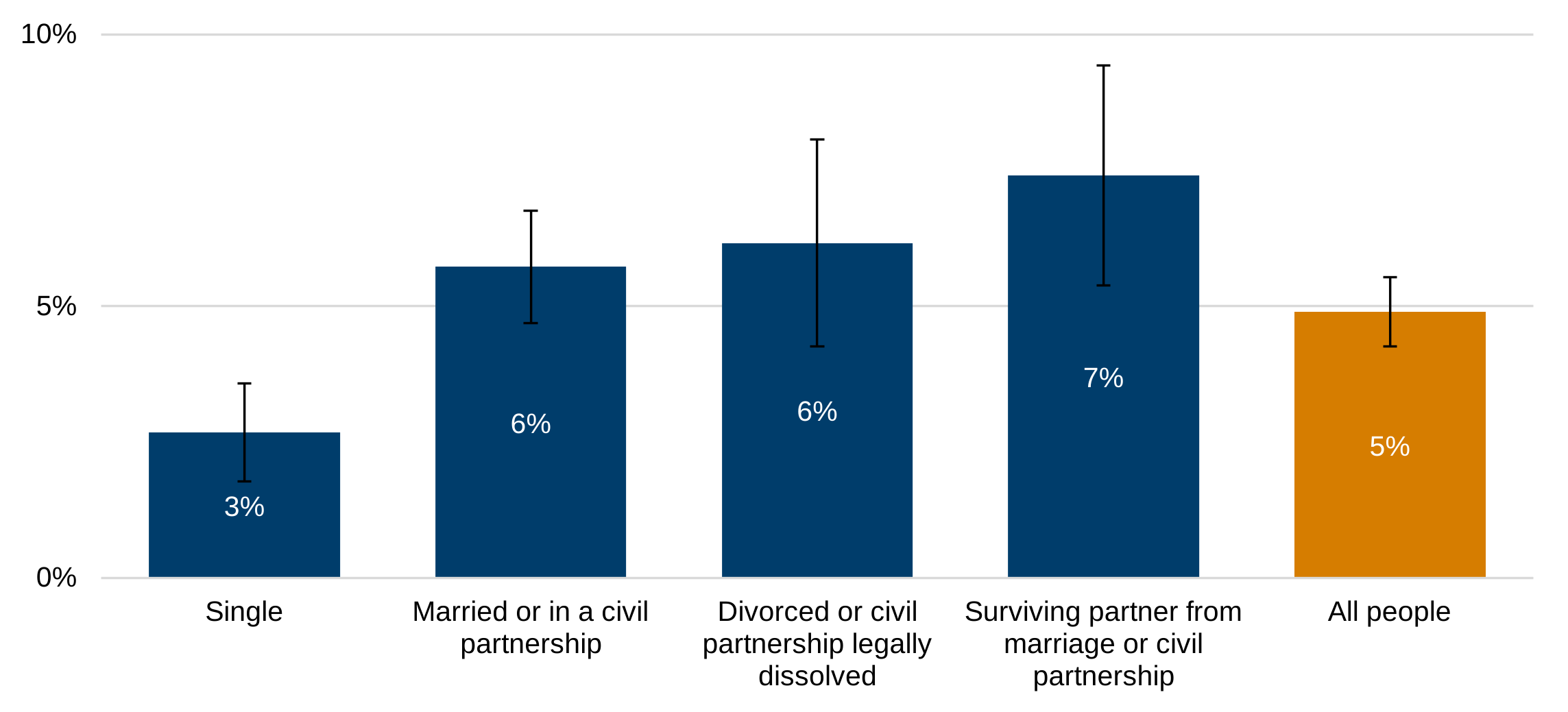
Description of figure 1: a bar chart showing that single people were least likely to be veterans (3%), compared with people who were married or divorced (both 6%), or who were surviving partners from a marriage or civil partnership (7%).
Source: National Survey for Wales, April 2024 to March 2025
People who did not have a limiting long-standing illness or disability were more likely to be veterans than people who did: 6% of people without a limiting long-standing illness or disability were veterans, compared with 4% of people with a limiting long-standing illness or disability.
People who did not have a mental illness were more likely to be veterans than those who did: 5% of people without a mental illness were veterans, compared with 2% of people who had a mental illness.
Being a carer was also found to be linked to being a veteran when other factors were taken into account; however, there were similar proportions of carers and non-carers who were veterans.
The following factors were considered in the analysis but were not found to be independently linked with being a veteran. This means that veterans were no more or less likely to report differences in these characteristics, compared with non-veterans.
- Age
- Religion
- Sexual orientation
- Usual weekly alcohol consumption
- Having visited a dentist within the last 12 months (through the NHS or privately)
- Having poor hearing or being deaf
- Tenure type
- Deprivation (WIMD)
- Material deprivation
- Employment
- Satisfaction with local area as a place to live
- Having a sense of community
- Participating in physical activities
- Living in an urban or rural area
- Being able to speak Welsh
Differences could be found in several of the above factors. However, because these factors were not found to be independently linked to being a veteran, the reasons for these differences are better explained by the associations discussed above.
- People aged between 45 and 64 or 65 or older were more likely to be veterans than people aged between 16 and 44.
- People who were economically inactive were more likely to be veterans than people in employment.
- People who did not participate in any physical activity (such as sports, fitness, or walking over 2 miles) were more likely to be veterans than people who did.
Immediate family of veterans or UK armed forces members
Respondents were asked whether anyone in their immediate family had ever served in the UK armed forces, either currently or previously.
28% of people had at least one member of their immediate family who had previously served or currently served in the UK armed forces. This had risen from 25% in May 2020, when this question was last asked.
We investigated which factors were independently linked with having immediate family either serving or being veterans. As noted earlier we are unable to attribute cause and effect for these associations, or to take account of factors not measured in the survey.
Having at least one immediate family member who had previously served or currently served in the UK armed forces was linked to:
- age
- ethnicity
- marital status
- having a limiting, long-term illness
- being a carer
- not speaking Welsh
People aged 65 or older were most likely to have an immediate family member who had previously served or was currently serving in the UK armed forces (47%), and people aged 16 to 44 were least likely (14%).
Figure 2: percentage of people who had an immediate family member who had previously or was currently serving in the UK armed forces, by age, April 2024 to March 2025
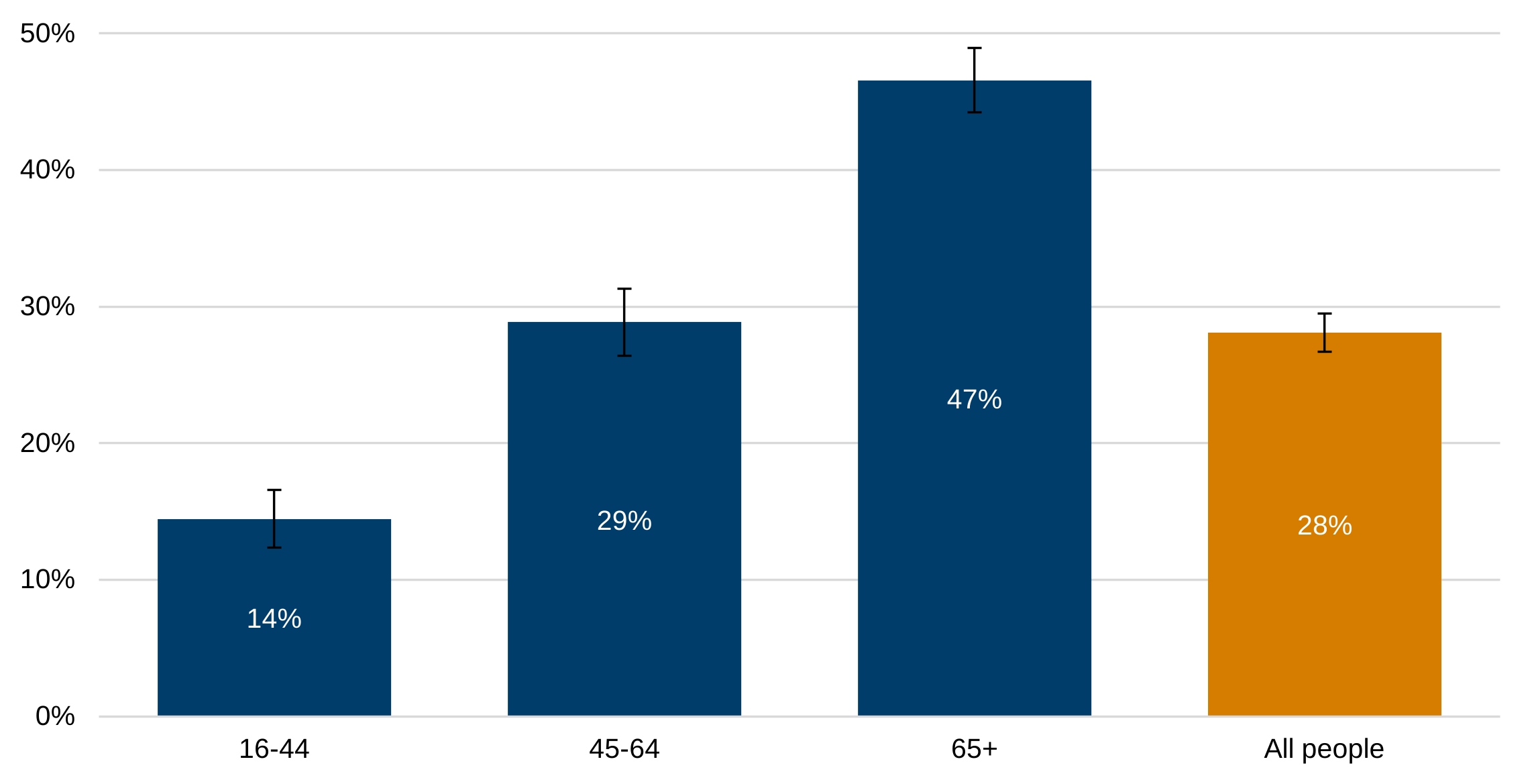
Description of figure 2: a bar chart showing that people aged 65 or older were most likely (47%) to have a family member who was serving or had served in the armed forces. People aged 45 to 64 were next most likely (29%), and people ages 16 to 44 were least likely (14%).
Source: National Survey for Wales, April 2024 to March 2025
30% of white Welsh, English, Scottish, Northern Irish or British people had an immediate family member who had previously or was currently serving in the UK armed forces. People from another white background, or people from other ethnic groups were less likely to have had an immediate family member who had previously or were currently serving in the UK armed forces (9% and 5% respectively. No difference was apparent between people who were ‘white – other’ and people of ‘any other ethnic group’.
Surviving partners were most likely to have an immediate family member who had served or was currently serving in the UK armed forces.
Figure 3: percentage of people who had an immediate family member who had previously or was currently serving in the UK armed forces, by marital status, April 2024 to March 2025
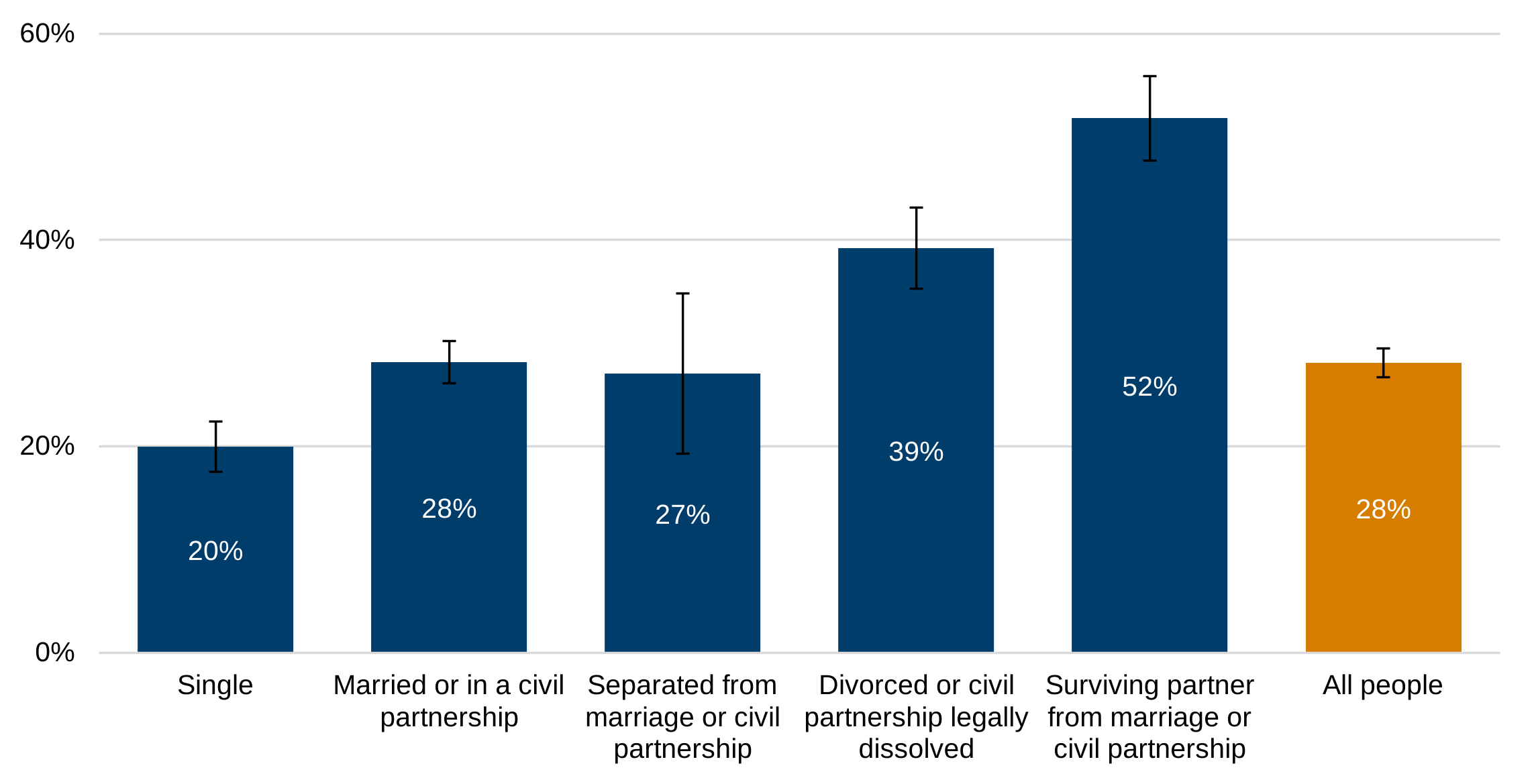
Description of figure 3: a bar chart showing that surviving partners were most likely to have an immediate family member who had previously or was currently serving in the UK armed forces (52%). People who were divorced or had had their civil partnership legally dissolved were next most likely (39%). Both of these groups of people were more likely to have an immediate family member who had previously or was currently serving in the UK armed forces when compared with the Welsh average of 28%. People who were married or in a civil partnership (28%) were more likely to have an immediate family member who had previously or was currently serving in the UK armed forces than single people (20%).
Source: National Survey for Wales, April 2024 to March 2025
36% of people with a limiting long-standing illness or disability had an immediate family member who had previously or was currently serving in the UK armed forces, compared with 24% of those who did not have such an illness or disability.
36% of carers had an immediate family member who had previously or was currently serving in the UK armed forces, compared with 26% of non-carers.
People who could speak Welsh were less likely to have an immediate family member who has previously served or who was currently serving in the UK armed forces (24%) than people who could not speak Welsh (30%).
The following factors were also considered in the analysis. However, they were not found to be independently linked to having an immediate family member who had served or was serving in the UK armed forces. This means people with a family member who had served in the armed forces were no more or less likely to report differences in these characteristics than people who did not.
- Sex
- Religion
- Sexual orientation
- Usual weekly alcohol consumption
- Having visited a dentist within the last 12 months (through the NHS or privately)
- Having a mental health condition
- Having poor hearing or being deaf
- Tenure type
- Deprivation (WIMD)
- Material deprivation
- Employment
- Satisfaction with local area as a place to live
- Having a sense of community
- Participating in physical activities
- Living in an urban or rural area
Differences could be found in several of the above factors. However, as these factors were not found to be linked to having a family member who had previously or was currently serving in the UK armed forces, the reasons for these differences are better explained by the associations discussed above.
The following were more likely to have an immediate family member who had previously served or was currently serving in the UK armed forces.
- Christians, compared with people who had no religion or were part of another religion.
- Heterosexual people, compared with people who were not heterosexual.
- People who owned their house or lived in an owner-occupied house, compared with people who lived in social housing or rented privately.
- People who were economically inactive, compared with people who were in employment.
- People who did not participate in a physical activity (such as sports, fitness, or walking over 2 miles).
- People who lived in a rural area.
Policy context
Welsh Government supports the Armed Forces Covenant. This means that there should be no disadvantage from service in the armed forces; and that in some cases, special consideration (Armed Forces Covenant) (improved access to goods and services) may be appropriate. The Covenant applies to those serving, those with previous service in the armed forces, and to their families and the bereaved. In Wales, the Covenant currently applies to Health, Housing and Education and since 2022 there has been a legal duty on local authorities, health boards, and state schools to show due regard for the Armed Forces Community in relation to the Covenant.
Subject to the passage of the Armed Forces Bill introduced to the UK Parliament on 15 January 2026, the legal due of due regard will extend to include Welsh Government and cover new areas including childcare, social care and transport.
Welsh Government support for the Armed Forces Community includes funding for Veterans NHS Wales to provide specialist mental health support; for Armed Forces Liaison Officers who support local authorities with their legal duty of due regard; for Supporting Service Children in Education Cymru, who work in Education; and an Armed Forces Free Swimming Scheme.
Quality and methodology information
The National Survey for Wales is a large-scale, random-sample survey covering adults aged 16+ across Wales.
Addresses were selected at random, and invitations sent by post requesting that a phone number be provided for the address. A phone number could be provided via an online portal or a telephone enquiry line. Where no phone number was provided, telematching was undertaken with available databases of phone numbers to see if one can be found for the address.
The interviewer then called the phone number for the address, established how many adults live there, and selected one at random (the person with the next birthday) to take part in the survey. The selected person was interviewed by phone. Once they had completed the phone section, they were asked to complete an online section and details were sent to them.
If no number was obtained for the address then for a randomly-chosen 46% of such cases the interviewer made a visit to the address to select a respondent and either carried out an in-home, face-to-face interview with them or (if a phone interview was preferred) collected a phone number for them.
The survey lasted around 40 to 45 minutes on average and covers a range of topics. Respondents were offered a £15 voucher to say thank you for taking part. The achieved sample size each month was around 500 people on average, and the response rate was 18.7% of those eligible to take part.
When comparing the unweighted achieved sample with the April 2022 to March 2023 unweighted achieved sample, the April 2024 to March 2025 sample has some differences such as: more Welsh speakers; fewer people aged 25 to 54; more people aged 75+; more people with higher-level qualifications; fewer people with no qualifications; fewer working people; and more people in rural areas. In terms of household type, there are more single-person households in the April 2024 to March 2025 sample and fewer couples (with or without children). There are fewer people in the areas of lowest income and employment, and more in areas where people have higher levels of qualification and skills. There is also a less even spread of interviews across the year (for example, proportionately fewer in February and March) compared with previous years.
Survey weights are used to bring the sample closer to the population in terms of age, sex, and local authority size, as well as to compensate for variation from target in the numbers of interviews in each health board within each quarter. The weights reduce but will not eliminate the effects of differences in the achieved sample compared with previous years and with the general population. As noted above, care should therefore be taken when comparing results with previous years, and any differences should be explored in the context of other sources.
This release uses regression analysis to allow us to look at the relationship with a given factor while keeping other things constant (sometimes referred to as “controlling for other factors”). However, it does not mean that having previously served in the UK armed forces (or having an immediate family member who has) is caused by these factors, or vice versa.
Where the text of this release notes a difference between two survey results, we have checked to ensure that the confidence intervals (sometimes called the “margin of error”) for the two results do not overlap. This suggests that the difference is statistically significant, i.e. that there is less than a 5% or 1 in 20 chance that the results are due to a quirk of the survey sample rather than reflecting a real difference in the wider population. Where no difference is noted, the confidence intervals do overlap.
The survey questionnaire is available on our web pages.
Detailed charts and tables of results are available in our interactive results viewer. For information on data collection and methodology please see our quality report and technical report.
Statement of compliance with the Code of Practice for Statistics
Our statistical practice is regulated by the Office for Statistics Regulation (OSR). OSR sets the standards of trustworthiness, quality and value in the Code of Practice for Statistics that all producers of official statistics should adhere to.
All of our statistics are produced and published in accordance with a number of statements and protocols to enhance trustworthiness, quality and value. These are set out in the Welsh Government’s Statement of Compliance.
These official statistics in development (OSR) demonstrate the standards expected around trustworthiness, quality and public value in the following ways.
Trustworthiness
All personal data underlying these statistics is processed in accordance with the requirements of the Data Protection Act 2018.
National Survey for Wales statistics are published in an accessible, orderly, pre-announced manner on the Welsh Government website at 9:30am on the day of publication. All releases are available to download for free.
All outputs adhere to the Code of Practice by pre-announcing the date of publication through the upcoming calendar web pages. Access to the data during processing is restricted to those involved in the production of the statistics, quality assurance and for operational purposes. Pre-release access is restricted to eligible recipients in line with the Code of Practice (UK Statistics Authority).
The published figures are compiled by professional analysts using the latest available data.
Quality
For the purposes of the question, the UK armed forces referred to regular armed forces, the reserve armed forces, and national service (the full list of what is included in the UK armed forces is listed in the UK armed forces section of the questionnaire). Immediate family referred to current or former partners or spouses, siblings, parents, and children. The question included family members who did not live in Wales, people in training, and dead family members, but did not include people working for the UK armed forces as civilians or contractors.
As noted above, the achieved sample size for the National Survey April 2024 to March 2025 (6,000 respondents) is smaller than originally planned. The smaller sample size is due to the contractor encountering fieldwork issues including response rates being lower than in previous years. There are also changes in the composition of the achieved unweighted sample compared with previous years.
In July 2025 we therefore requested and received from the Office for Statistics Regulation a temporary suspension of accredited official statistics status for this first release and for other outputs based on the April 2024 to March 2025 data. The temporary suspension reflects the fact that the April 2024 to March 2025 outputs generally do not provide sufficiently precise results for small geographic areas and other small subgroups, and that care should be taken in comparing some April 2024 to March 2025 results with those from previous years. All outputs based on April 2024 to March 2025 data are badged as official statistics in development.
It is still appropriate to use these statistics. At a national level, estimates continue to provide a reasonable indication of estimates for Wales, particularly if used alongside alternative sources. However, users should note the wider confidence intervals particularly for smaller geographies and population sub-groups.
All stages in the collection, validation and production of these statistics are led by professional statisticians, and the statistics are produced free from any political interference. All statistics are quality-assured prior to publication.
Statistics published by Welsh Government adhere to the Statistical Quality Management Strategy which supplements the Quality pillar of the Code of Practice for Statistics and the European Statistical System principles of quality for statistical outputs.
Set-up work for a new online-first survey design is progressing well, and mainstage fieldwork will begin in March 2026, with first results due in summer 2027. One key advantage of the new approach is that it will be possible to deliver much larger achieved sample sizes, and therefore much more precise estimates for small subgroups. Following the start of mainstage fieldwork under the new design in 2026-27, we will request that accredited official statistics badging be reinstated by OSR for survey outputs from 2026-27 onwards.
Value
These statistics are used in a variety of ways. Some examples of these are:
- providing advice to ministers
- to inform a wide range of policy decisions
The commentary and notes in this release have been developed to try to make the information as accessible as possible to users.
You are welcome to contact us directly with any comments about how we meet these standards. Alternatively, you can contact OSR by emailing regulation@statistics.gov.uk or via the OSR website.
Well-being of Future Generations Act
The Well-being of Future Generations Act 2015 is about improving the social, economic, environmental and cultural wellbeing of Wales. The Act puts in place seven wellbeing goals for Wales. These are for a more equal, prosperous, resilient, healthier and globally responsible Wales, with cohesive communities and a vibrant culture and thriving Welsh language. Under section (10)(1) of the Act, the Welsh Ministers must (a) publish indicators (“national indicators”) that must be applied for the purpose of measuring progress towards the achievement of the wellbeing goals, and (b) lay a copy of the national indicators before Senedd Cymru. Under section 10(8) of the Well-being of Future Generations Act, where the Welsh Ministers revise the national indicators, they must as soon as reasonably practicable (a) publish the indicators as revised and (b) lay a copy of them before the Senedd. These national indicators were laid before the Senedd in 2021. The indicators laid on 14 December 2021 replace the set laid on 16 March 2016.
Information on the indicators, along with narratives for each of the wellbeing goals and associated technical information is available in the Wellbeing of Wales report.
Further information on the Well-being of Future Generations (Wales) Act 2015.
There is no specific national indicator relating to the UK armed forces; however, the statistics included in this bulletin could provide supporting narrative to the national indicators, such as indicator 3 (percentage of adults with two or more healthy lifestyle behaviours), and indicator 19 (percentage of adults living in households with material deprivation).