Arts, heritage sites, libraries and museums (National Survey for Wales): April 2022 to March 2023
This report looks at visits to heritage sites, libraries and museums as well as the attendance and participation at arts events for April 2022 to March 2023.
In this page
Introduction
In 2022-23, the National Survey for Wales included questions about attendance and participation in arts, culture and heritage activities. The survey covers people across Wales aged 16+.
The results are used to measure progress against one of the Wellbeing of Wales National Indicators: whether people attend or participate in arts, culture, or heritage activities at least three times a year. This report focusses on each of the parts of this indicator, namely:
- participation in arts events
- visits to museums
- visits to libraries
- visits to heritage sites
Main points
- 72% of people said they had attended or participated in arts, culture or heritage activities at least three times in the past year. This is consistent with results from 2019-20 when these questions were last asked.
- 18% of people had participated in an arts activity in the previous 12 months.
- 31% had visited a museum.
- 63% had visited a heritage site.
- Library services were used by 25% of people, down from 32% in 2019-20
- The proportion of people using an archive or records office was 8%, up from 5% in 2019-20.
- Having higher levels of qualifications, and using the internet were commonly associated with having participated in arts activities, or having visited a library, museum or heritage site.
Characteristics linked to attendance and participation
The relationship between attending or participating in arts, culture or heritage activities at least three times in the past year and various factors was explored using statistical techniques (see regression technical report for further information) .This type of analysis allows us to look at the relationship with a given factor (attending or participating in a cultural event at least three times in past year), while keeping other things constant (sometimes referred to as “controlling for other factors”). However, it does not mean that these factors cause the attendance and participation in arts, culture and heritage activities, or vice versa.
Characteristics found to have an independent link with attending or participating in arts, culture or heritage activities
- Using the internet (not being ‘digitally excluded’)
- Being younger
- Not having a child under 5 years old in the household
- Owning your home or privately renting
- Having access to a car
- Having degree-level education or higher
- Living in an urban area
- Engaging in volunteering
- Participating in sport three or more times a week
- Not feeling lonely
The remainder of this bulletin explores these links in more detail, looking in turn at:
- arts participation
- library visits
- museum visits
- visits to heritage sites
Participation in arts
18% of people aged 16+ in Wales had participated in the Arts in the last 12 months. Controlling for other factors (explained in our regression technical report), the following characteristics were significantly associated with arts participation.
Highest qualification
People with higher levels of qualifications (according to the National Qualification Framework) were more likely to participate in arts activities than those with lower levels of qualifications. 22% of people with a level 4+ qualification participated in arts activities, compared with 12% for people with a level 2 qualification, and 10% for people with a qualification below level 2.
Figure 1: Percentage of people participating in arts activities, by highest qualification [Note 1]
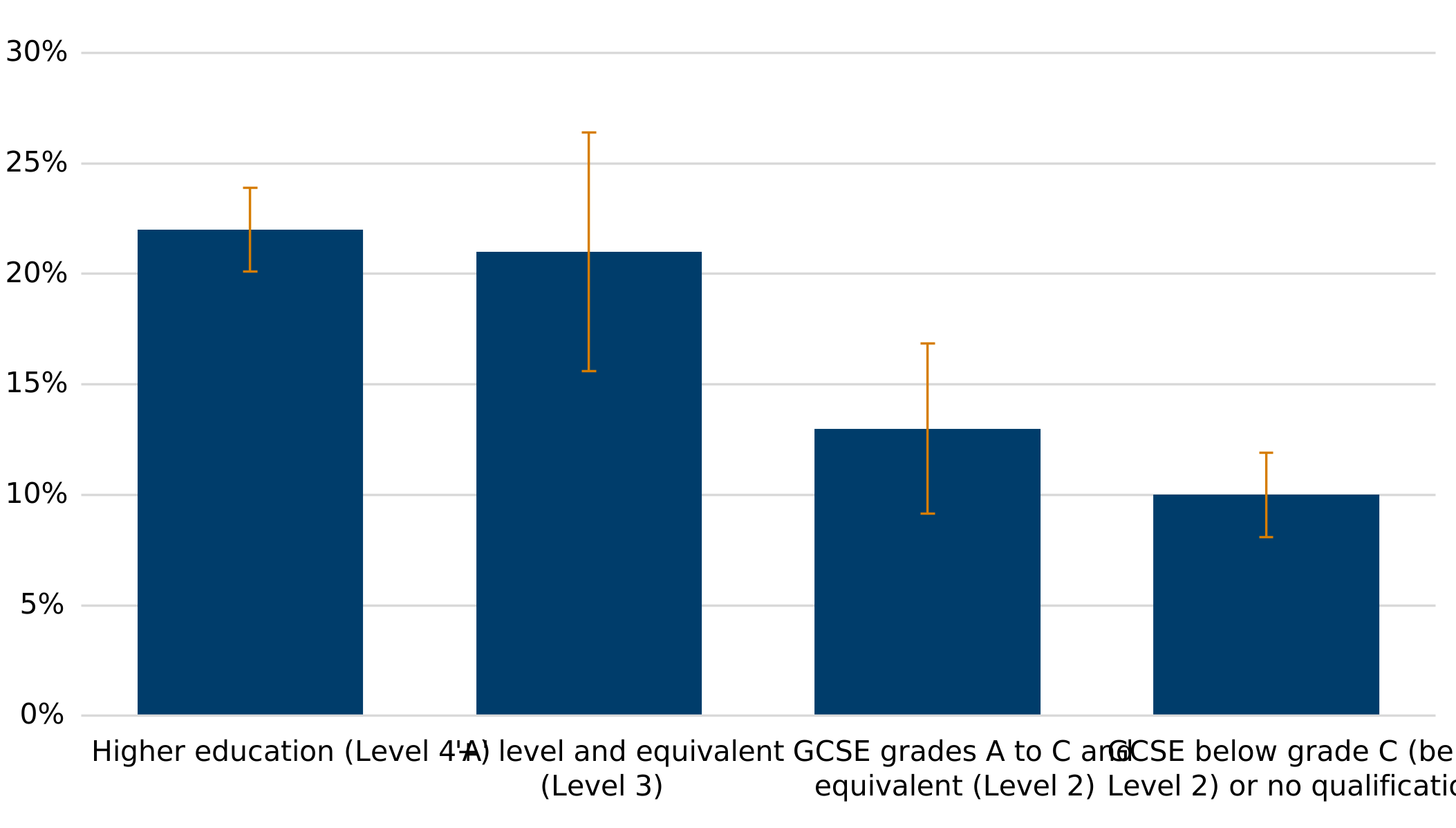
Description of Figure 1: Bar chart showing arts participation broken down by educational qualification. People with National Qualification Level 4 or higher qualifications (qualifications higher than A level) were more likely to participate than those with level 2 qualifications or below (qualifications up to GCSE level).
Source: National Survey for Wales 2022-23
[Note 1] The orange bars in this chart display 95% confidence intervals. Confidence intervals show how precise an estimate is. Wider confidence intervals indicate less precision. Error bars that overlap indicate that differences are not statistically significant.
Volunteering
People who volunteered were also more likely to participate in arts. 26% of those who volunteered had participated in arts, compared with 14% of those who did not volunteer.
Internet use
People who used the internet were more likely to participate in arts than those who didn’t. 18% of internet users participated in arts compared with 10% of people who did not use the internet.
Visits to libraries
25% of people aged 16+ in Wales had visited a library within the last 12 months.
Age
Figure 2 shows the differences in people visiting libraries by age. 35 to 44 year olds were more likely to visit libraries than 25 to 34 year olds. Additionally, both 35 to 44 year olds and those aged 65+ were more likely to visit libraries than those aged 45 to 64. There were no significant differences amongst other age groups.
Figure 2: Percentage of people visiting libraries, by age group [Note 1]
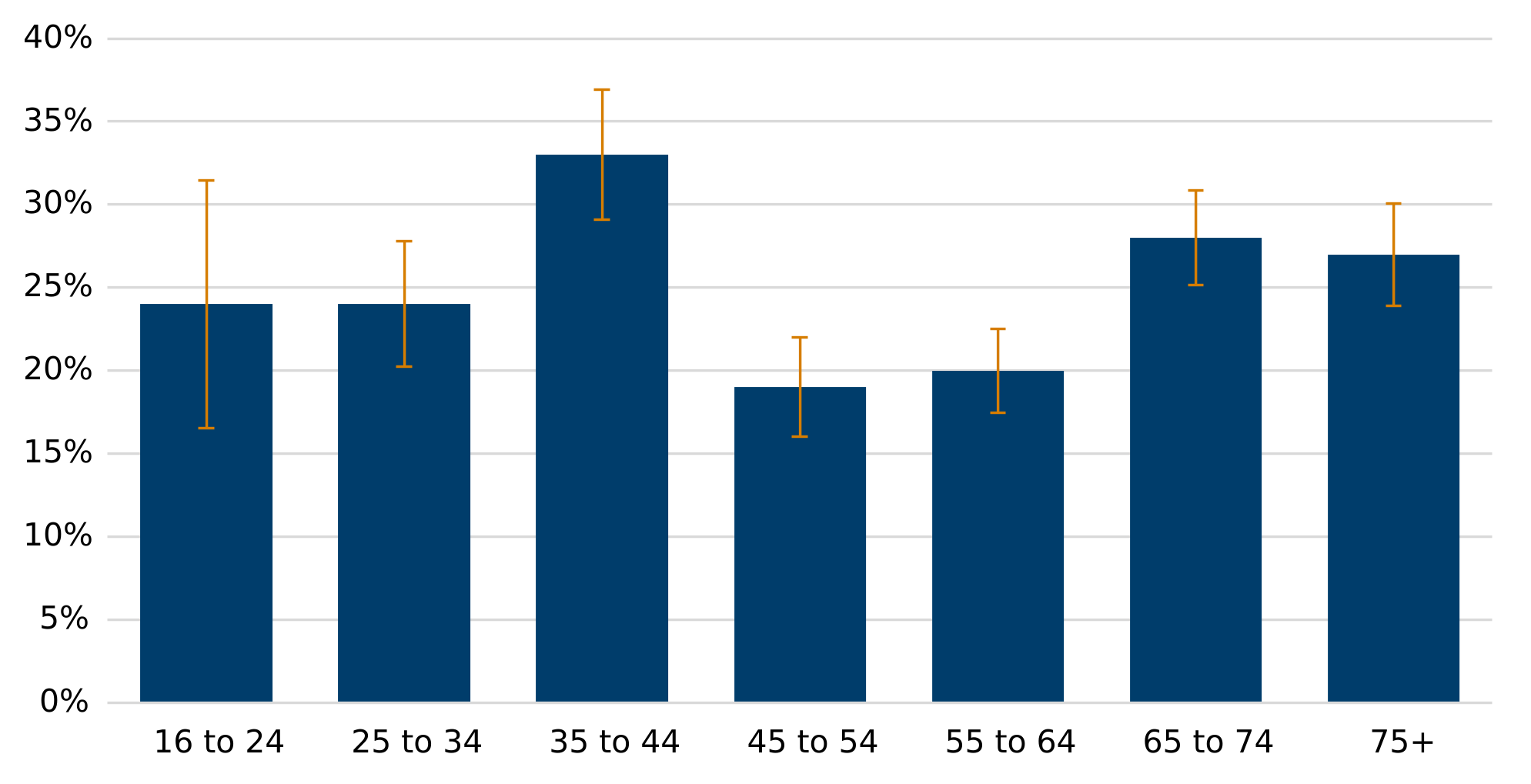
Description of Figure 2: Bar chart showing visits to libraries broken down by age. People aged 35 to 44 and those aged 65+ were more likely to visit libraries than those aged 45 to 64. People aged 35 to 44 were also more likely to visit libraries than those aged 25 to 34. There were no significant differences amongst other age groups.
Source: National Survey for Wales 2022-23
[Note 1] The orange bars in this chart display 95% confidence intervals. Confidence intervals show how precise an estimate is. Wider confidence intervals indicate less precision. Error bars that overlap indicate that differences are not statistically significant.
Living with a child under the age of five
The types of households that people lived in were also associated with having visited a library. People in a household with a child under the age of five were more likely to visit libraries. 33% of those in households with a child under five had visited libraries, compared with 24% of those not in households with a child under 5.
Sex
A higher proportion of females had visited libraries compared with males, with 27% of females visiting a library and 22% of males.
Ethnicities
37% of people who are black, Asian or minority ethnic had visited libraries, compared with 24% of people who are white (Welsh, English, Scottish or Northern Irish). There were no significant differences for people who are white (Irish, Gypsy, Irish Traveller or another white background) when compared with other ethnicities.
Highest qualification
People with NQF qualifications at level 4+ (higher than an A-level qualification) were more likely to visit a library than those whose highest qualifications are at level 2 (equivalent to A* to C or 9 to 4 GSCE) or below. 34% of people with a level 4+ qualification had visited a library, compared with 18% for people with level 2 qualifications, and 17% for people with below level 2 qualifications. There were no significant differences for those with level 3 qualifications when compared with other qualification levels.
Sports participation
29% of people who participated in sporting activities at least 3 times per week had also visited libraries in the last 12 months. 22% of people who done less or no sport had visited libraries in the last 12 months.
Volunteering
People who volunteered were more likely to visit libraries. 33% of those who volunteered visited libraries, compared with 22% of those who did not volunteer.
Internet use
As with arts participation, the proportion of people who had visited libraries was higher among those who used the internet: 25% of internet users had visited libraries compared with 19% of people who do not use the internet.
Visits to museums
Almost a third (31%) of people aged 16+ in Wales had visited a museum within the last 12 months.
Highest qualifications
People with highest qualifications at level 3 or above were more likely to visit a museum than those with highest qualifications at level 2 or below. 41% of people with a level 4+ qualification, and 35% of those with a level 3 qualification had visited a museum, compared with 22% for people with a level 2 qualification, and 18% for people with below level 2 qualification.
Sport participation
Those who participated in sporting activities at least 3 times per week were more likely to have visited museums. 39% of people who participated in sports also visited museums, compared with 26% of people who did not participate in this amount of sport.
Life satisfaction
People with higher life satisfaction were more likely to have visited museums. Figure 3 shows that people with high or very high life satisfaction were more likely to have visited museums more than those with low or medium life satisfaction.
Figure 3: Percentage of people visiting museums, by level of life satisfaction [Note 1]
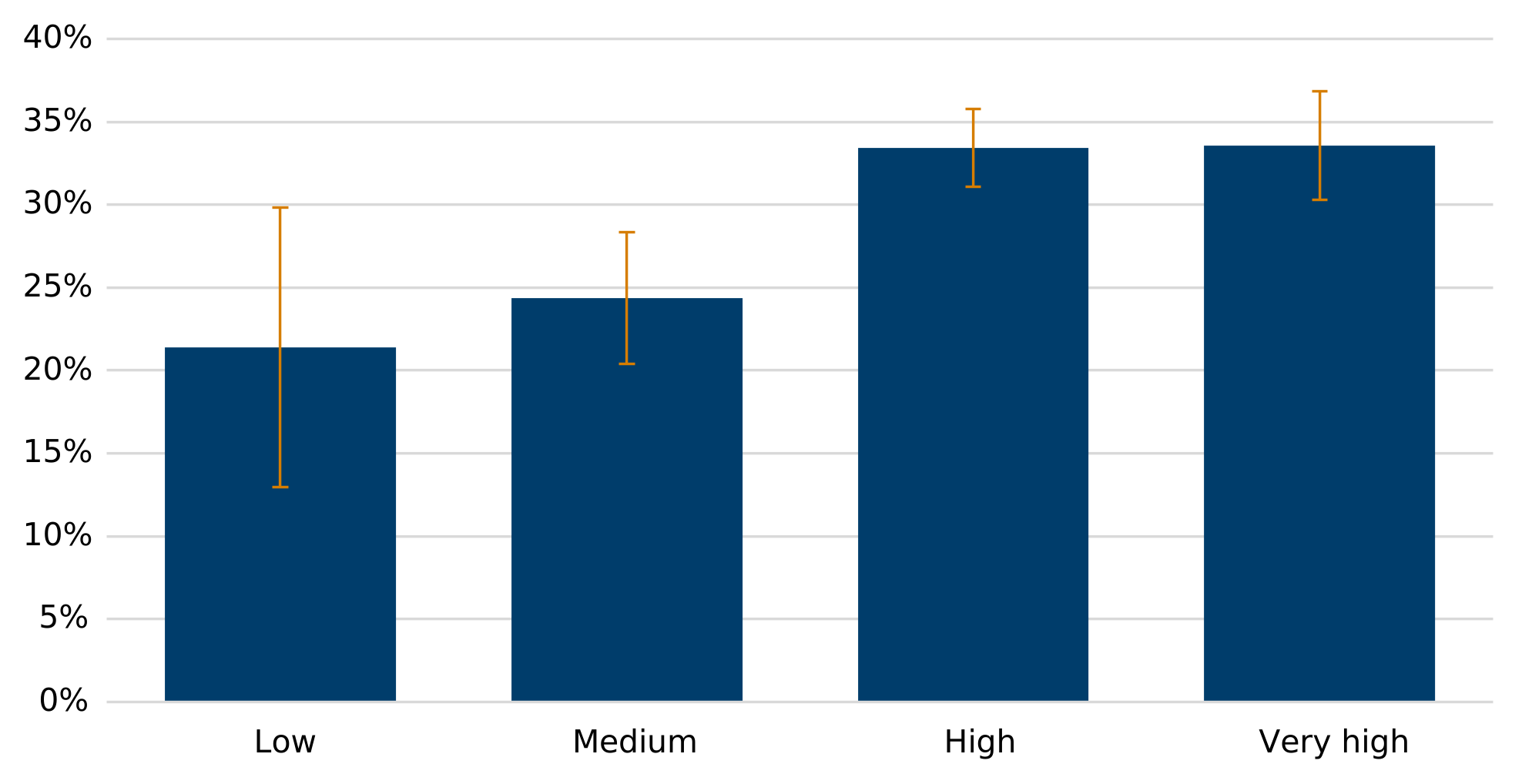
Description of Figure 3: Bar chart showing visits to museums broken down by life satisfaction. People with high or very high life satisfaction were more likely to have visited museums more than those with low or medium life satisfaction.
Source: National Survey for Wales 2022-23
[Note 1] The orange bars in this chart display 95% confidence intervals. Confidence intervals show how precise an estimate is. Wider confidence intervals indicate less precision. Error bars that overlap indicate that differences are not statistically significant.
Volunteering
People who volunteered were more likely to have visited museums. 42% of people who volunteered had also visited museums, compared with 27% of people who had not volunteered.
Internet use
People who used the internet were more likely to have visited museums. 33% of people who used the internet also visited museums, compared with 11% of people who did not use the internet.
Living with a child under the age of five
People in households with a child under the age of 5 were more likely to have visited museums. 40% of people in households with a child under 5 also visited museums, compared with 31% of people who did not live with a child under the age of 5.
Welsh language
People who spoke Welsh were more likely to have visited museums. 40% of people who spoke Welsh also visited museums, compared with 30% of people who did not speak Welsh.
Visits to heritage sites
63% of people aged 16+ in Wales had visited a heritage site within the last 12 months.
Age
Older people were less likely to have visited heritage sites. Figure 4 shows that there were no significant differences between people under the age of 55, with between 67% and 72% of people in these groups having visited a heritage site in the past year. 61% of those aged 55 to 64, and 57% of those aged 65 to 74 had visited a heritage site, less than those aged 25 to 54. Only 42% of those aged 75+ had visited a heritage site in the past year, less than all other age groups.
Figure 4: Percentage of people visiting heritage sites, by age [Note 1]
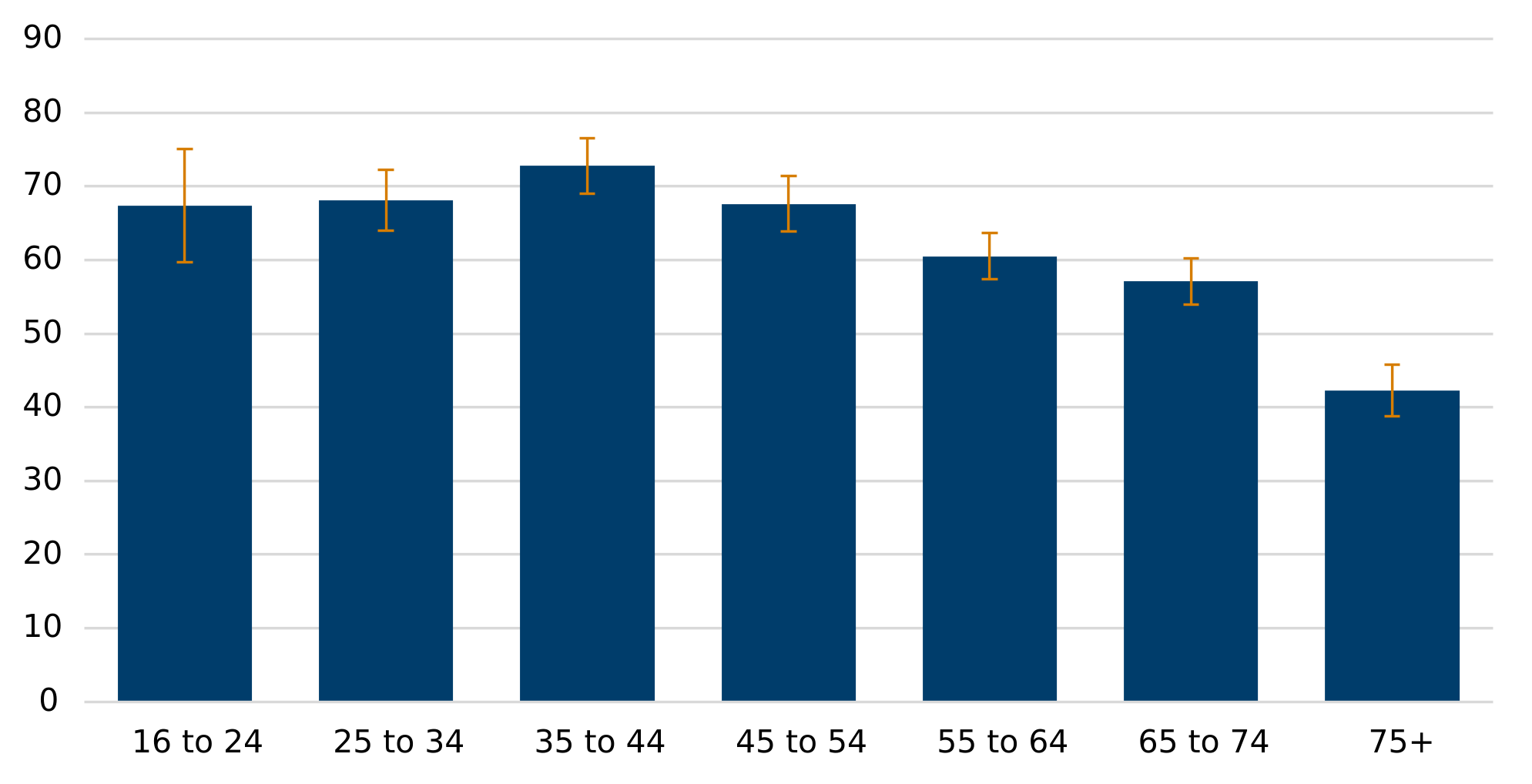
Description of Figure 4: Bar chart showing visits to heritage sites broken down by age. There are no significant differences in visits to heritage sites between people under the age of 55. People over the age of 55 were less likely to have visited heritage sites compared with those aged 25-54. The likelihood of having visited a heritage site decreases for those aged 55-74, and further decreases for ages 75+.
Source: National Survey for Wales 2022-23
[Note 1] The orange bars in this chart display 95% confidence intervals. Confidence intervals show how precise an estimate is. Wider confidence intervals indicate less precision. Error bars that overlap indicate that differences are not statistically significant.
Education
Those with higher levels of NQF qualifications were more likely to have visited heritage sites than those with lower qualifications. 75% of those with level 4+ qualifications had visited heritage sites, compared with 70% of those with at most a level 3 qualification, 57% of those with level 2 qualifications, and 38% of those with less than level 2 qualifications.
Loneliness
People who reported that they were lonely were less likely to have visited heritage sites. 51% of people who were lonely had visited heritage sites, whereas 65% of those who were sometimes lonely, or never lonely had visited heritage sites.
Sports participation
People who participated in sporting activities at least 3 times per week were also more likely to have visited heritage sites. 78% of people who participated in sports this much had also visited heritage sites in the last 12 months, compared with 53% of people who participated in a lesser amount of sport.
Life satisfaction
People with higher life satisfaction were more likely to have visited heritage sites. 43% of those with low life satisfaction had visited heritage sites, compared with 53% of those with medium life satisfaction, 67% of those with high life satisfaction, and 65% of those with very high life satisfaction.
Volunteering
People who volunteered were more likely to have visited heritage sites. 77% of those who volunteered visited heritage sites, compared with 58% of those who did not volunteer.
Internet use
People who used the internet were more likely to have visited heritage sites. 66% of people who used the internet also visited heritage sites, compared with 24% of people who did not use the internet.
Tenure
Those who lived in social housing were less likely to visit heritage sites than private renters, or homeowners. 40% of people living in social housing had visited heritage sites, compared with 65% of private renters and 66% of homeowners.
Car use
People with use of a car were more likely to have visited heritage sites. 66% of people with access to a car had visited heritage sites, compared with 38% of those without access to a car.
Policy context
Welsh Government leads on policy development and strategy for the culture sector in Wales. Welsh Government sponsors four Arm’s Length Bodies - the Arts Council of Wales, Amgueddfa Cymru – Museum Wales, the National Library of Wales and the Royal Commission on the Ancient and Historical Monuments of Wales. Welsh Government is also provides grant support to the National Botanic Garden of Wales.
The Arts Council of Wales is responsible for supporting the arts in Wales. In 2016 the Arts in Wales Survey was incorporated into the National Survey, which is now the main source of results for adults on arts attendance and participation.
The Culture Division act as the development agency for local museums, archives, and libraries. The Division supports and advocates for the sector, ensures that professional standards are met and maintained, and delivers statutory functions including the administration of UK cultural property schemes. In 2024 the Culture Division launched a Consultation on their draft Priorities for Culture 2024 to 2030.
The Welsh Government supports libraries in public and educational settings. Recent investment based on strategies such as Libraries Inspire seeks to create library services that improve access to resources, including modernising library spaces to attract more and new audiences. Visits to libraries can also be made online, and the Welsh Government is working with public library services and the National Library of Wales to deliver a national digital library service.
The Welsh Government’s Museums Strategy for Wales 2010-2015 set out 3 key aims: museums available for everyone; museums caring for and developing collections for the nation; and managing the museum sector effectively. The Welsh Museums Federation, with the Museums Association, is developing a new vision for museums in Wales to build on these principles. The Spotlight on museums survey provides further information on the sector.
Cultural and heritage tourism is economically important in Wales. Cadw is the Welsh Government’s historic environment service, working for an accessible and well-protected historic environment for Wales. Cadw’s vision is a Wales where historic places are cared for, understood and shared by everyone, with three principal ambitions of:
- a conserved and protected historic environment that supports sustainability, climate action and biodiversity
- widening access to, enjoyment and understanding of the historic environment for people of all backgrounds
- a historic environment that contributes strongly to the economic well-being of Wales and of its communities
Cadw aims to help people understand, appreciate and enjoy Wales’ historic environment by improving access to the sites in their care and encouraging owners of other historic sites to do the same. Cadw manages over 130 historic properties on behalf of the Welsh Government. By providing access to these sites and using them as ‘showcases’ for the history of Wales, Cadw aims to encourage people to explore and appreciate the historic environment. Since it was established in 1984, Cadw has welcomed over 50 million visitors from across the UK and the world to its historic monuments in Wales.
Quality and methodology information
The 2022-23 National Survey included just over 11,000 randomly selected adults, aged 16 years and over, across Wales with interviews running from April 2022 to March 2023. The interviews were conducted by telephone, followed by an online section.
Prior to March 2020, the survey was carried out face-to-face in respondents’ homes. Since May 2020 the survey has been carried out by telephone due to the COVID-19 (coronavirus) pandemic. The survey continued in telephone mode during 2021-22, with an online trial element added from July 2021 until January 2022, where a subset of respondents completed additional questions. From April 2022, the online section of the survey was extended to cover all respondents.
Detailed charts and tables of results are available in our interactive Results Viewer. For information on data collection and methodology please see our Quality report and Regression technical report.
National Statistics status
The United Kingdom Statistics Authority has designated these statistics as National Statistics, in accordance with the Statistics and Registration Service Act 2007 and signifying compliance with the Code of Practice for Statistics (UK Statistics Authority).
National Statistics status means that official statistics meet the highest standards of trustworthiness, quality and public value.
All official statistics should comply with all aspects of the Code of Practice for Statistics. They are awarded National Statistics status following an assessment by the UK Statistics Authority’s regulatory arm. The Authority considers whether the statistics meet the highest standards of Code compliance, including the value they add to public decisions and debate.
It is Welsh Government’s responsibility to maintain compliance with the standards expected of National Statistics. If we become concerned about whether these statistics are still meeting the appropriate standards, we will discuss any concerns with the Authority promptly. National Statistics status can be removed at any point when the highest standards are not maintained, and reinstated when standards are restored.
The continued designation of these statistics as National Statistics was confirmed in June 2020 following a compliance check by the Office for Statistics Regulation (letter of confirmation (UK Statistics Authority)). These statistics last underwent a full assessment (full report (UK Statistics Authority)) against the Code of Practice in 2013.
Since the latest review by the Office for Statistics Regulation, we have continued to comply with the Code of Practice for Statistics, and have made the following improvements:
- provided more detailed breakdowns in the results viewer and made it easier for users to compare results across years
- updated the survey topics annually to ensure we continue to meet changing policy need
- made regression analysis a standard part of our outputs to help users understand the contribution of particular factors to outcomes of interest
Well-being of Future Generations Act (WFG)
The Well-being of Future Generations Act 2015 is about improving the social, economic, environmental and cultural wellbeing of Wales. The Act puts in place seven wellbeing goals for Wales. These are for a more equal, prosperous, resilient, healthier and globally responsible Wales, with cohesive communities and a vibrant culture and thriving Welsh language. Under section (10)(1) of the Act, the Welsh Ministers must (a) publish indicators (“national indicators”) that must be applied for the purpose of measuring progress towards the achievement of the Well-being goals, and (b) lay a copy of the national indicators before the National Assembly. The 46 national indicators were laid in March 2016. The National Survey collects information for 15 of the 46 indicators.
Further information on the Well-being of Future Generations (Wales) Act 2015.
The statistics included in this release could also provide supporting narrative to the national indicators and could be used by public services boards in relation to their local wellbeing assessments and local wellbeing plans.