Welsh language speaking ability and use (National Survey for Wales): April 2022 to March 2023
The report looks at people’s Welsh speaking ability and frequency of use between April 2022 to March 2023.
In this page
Introduction
In 2022-23, the National Survey for Wales asked people aged 16 or above about their Welsh language ability, how often they use the language, and how fluent they are.
Respondents were asked separate yes/no questions about their ability to understand, read and write Welsh. Respondents were also asked about their ability to speak Welsh, with an additional answer ‘no, but have some Welsh speaking ability’.
People who reported being able to speak Welsh were also asked about their level of fluency, ranging from fluent to only speaking a few words; and to indicate how often they used the language, whether daily, weekly, less often, or never.
This bulletin is split into three sections: a summary of the main points; all people who speak Welsh, meaning people who said they had at least some Welsh speaking ability; and people who speak Welsh daily, meaning people who said they spoke Welsh daily and could speak more than a few words of Welsh.
We used a statistical technique called regression analysis to understand how different factors we measured in the National Survey relate to whether someone speaks Welsh. The different factors highlighted in this report each show an independent link with Welsh language use, even after accounting for a range of other factors.
Main points
34% of people could speak Welsh (18% said they could speak Welsh, and 16% said they had some Welsh speaking ability). This is similar to 2021-22.
11% of people spoke Welsh daily and could speak more than a few words. This is also similar to 2021-22.
Characteristics found to have an independent link with being able to speak Welsh:
- being female
- being aged 16 to 44
- not being part of a minority ethnic group
- being single
- living in an owner-occupied home
- living in a rural area
- living in northwest Wales
- volunteering
Characteristics found to have an independent link with speaking Welsh daily and being able to speak more than a few words:
- being female
- not being part of a minority ethnic group
- being Christian
- being employed
- being educated to a higher education level
- not living in the most or least deprived areas of the Welsh Index of Multiple Deprivation (WIMD)
- living in a household containing younger people
- living in a rural area
- living in northwest Wales
All people who speak Welsh
34% of people aged 16 or older could speak Welsh (of whom 18% said they could speak Welsh, and a further 16% said they had some Welsh speaking ability), similar to 2021-22.
Demographic factors
Sex, age, ethnicity and marital status were all found to be independently linked with being able to speak Welsh.
Welsh speakers were more likely to be female than male, with 37% of females reporting that they spoke at least some Welsh, compared with 31% of males.
People aged 16 to 44 were more likely to be able to speak Welsh than people in older age groups, with people aged 65 or older being least likely. 39% of people aged 16 to 44 could speak at least some Welsh, compared with 32% of people aged 45 to 65, and 29% of people aged 65 or older.
36% of white Welsh, English, Scottish, or Northern Irish people said they could speak at least some Welsh, compared with 16% of people who were black, Asian, or of another minority ethnic group. Very few people of other white backgrounds (including people who were Irish or Irish travellers) said they could speak Welsh.
Single people were also found to be more likely to speak Welsh than people who were married, in a civil partnership, divorced, separated, or surviving partners, with 39% of single people being able to speak at least some Welsh. There was no difference in Welsh speaking between people who were divorced, separated, or surviving partners (see Figure 1).
Figure 1: Proportion of people who could speak at least some Welsh, by marital status, 2022-23 [Note 1]
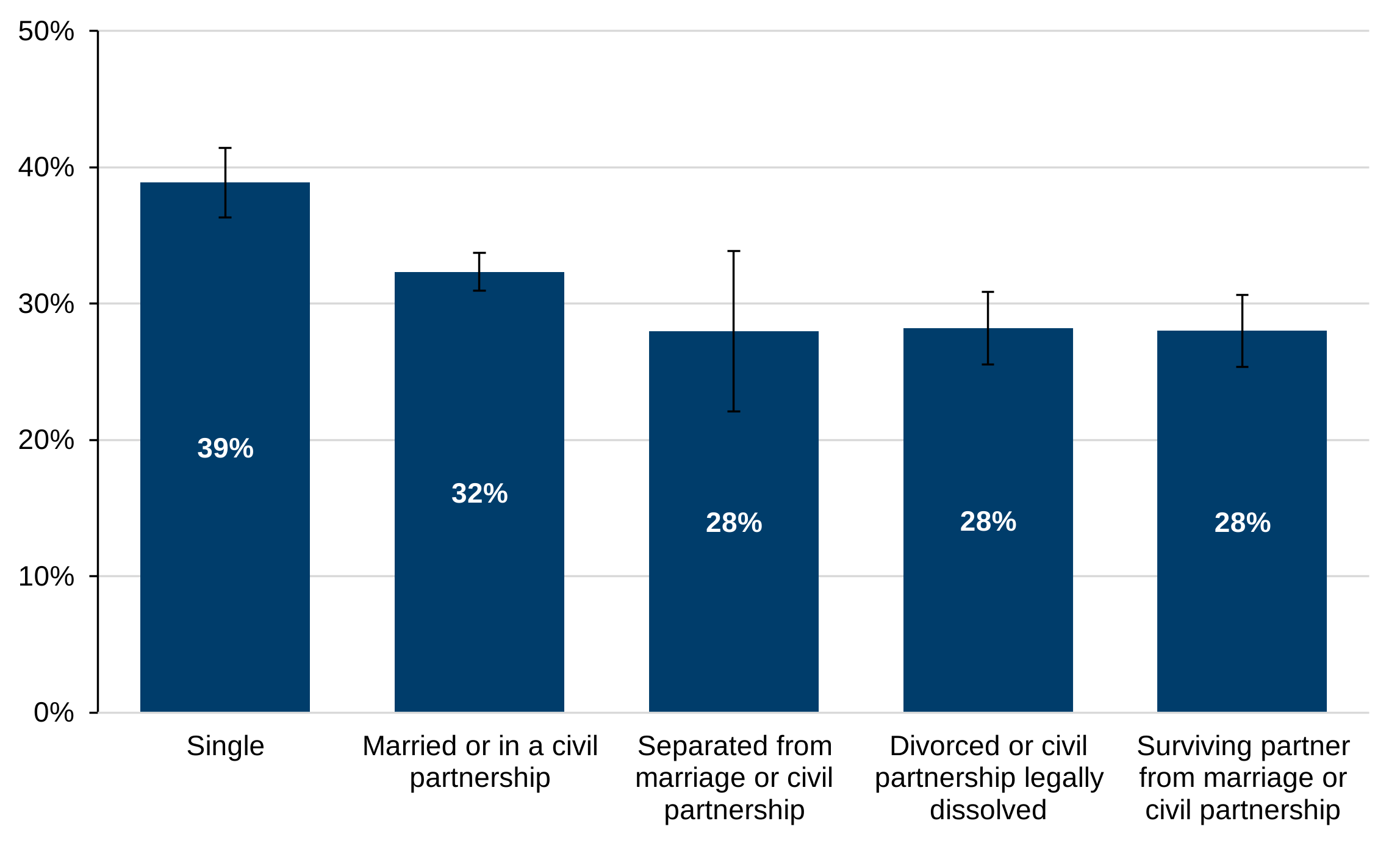
Description of Figure 1: Bar chart displaying the proportions of people for each marital status who said they could speak at least some Welsh. Single people are more likely to be able to speak at least some Welsh compared with people who were married, separated, divorced or widowed.
Source: National Survey for Wales, 2022-23
[Note 1] The black bars in this chart display 95% confidence intervals. Confidence intervals show how precise an estimate is. Wider confidence intervals indicate less precision. Overlapping error bars indicate that differences are not statistically significant.
Socio-economic factors
Education and tenure type were both found to be linked to being able to speak Welsh, alongside whether someone participated in volunteering.
People educated to a National Qualification Framework (NQF) level 4 to 8 (higher education) were more likely to be able to speak Welsh when compared with people whose highest qualification was a NQF level 2 (GCSE grade A to C) or below, as shown in Figure 2.
Figure 2: Proportion of people who could speak at least some Welsh, by highest qualification, 2022-23 [Note 1]
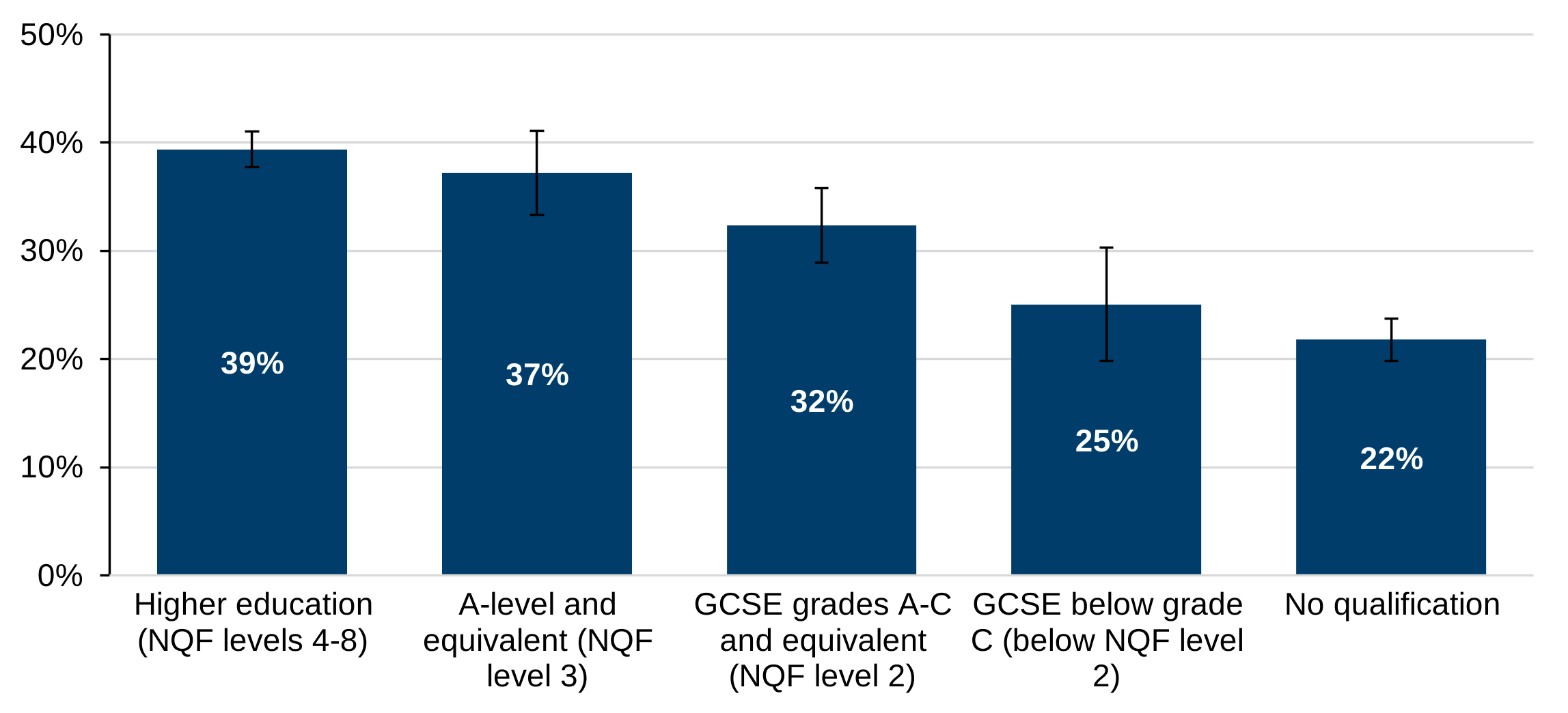
Description of Figure 2: Bar chart displaying the proportion of people who hold each qualification that said they could speak at least some Welsh. 39% of people educated to a higher education level (NQF levels of 4 to 8) were able to speak at least some Welsh. For comparison, 32% of people with GCSE grades A to C and equivalent (NQF level of 2) could speak at least some Welsh, whilst 25% and 22% of people with GCSEs below grade C (NQF level below 2) and no qualifications could speak at least some Welsh, respectively.
Source: National Survey for Wales, 2022-23
[Note 1] The black bars in this chart display 95% confidence intervals. Confidence intervals show how precise an estimate is. Wider confidence intervals indicate less precision. Overlapping error bars indicate that differences are not statistically significant.
Owner-occupiers were more likely to be able to speak Welsh than people in social housing or who rented privately, as shown in Figure 3.
Figure 3: Proportion of people who could speak at least some Welsh, by tenure, 2022-23 [Note 1]
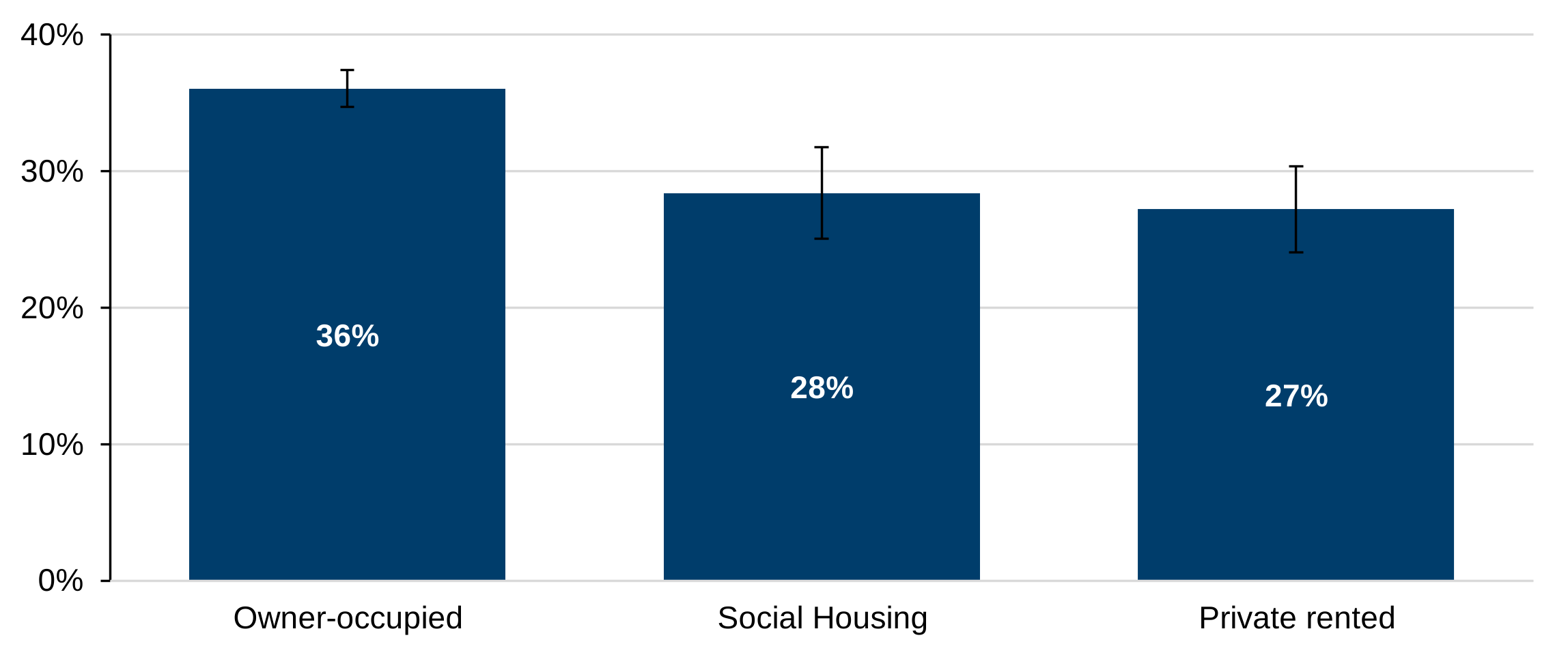
Description of Figure 3: Bar chart displaying the proportion of people who lived in either owner-occupied, social housing, or privately rented housing who could speak at least some Welsh. 36% of owner-occupiers were able to speak at least some Welsh. There was no significant difference between people living in social housing or who rented privately, at 28% and 27% respectively.
Source: National Survey for Wales, 2022-23
[Note 1] The black bars in this chart display 95% confidence intervals. Confidence intervals show how precise an estimate is. Wider confidence intervals indicate less precision. Overlapping error bars indicate that differences are not statistically significant.
People who volunteered were more likely to be able to speak Welsh than those who did not. 39% of those who volunteered said they could speak at least some Welsh, compared with 32% of people who did not volunteer.
Geographical factors
Region and rurality were also found to be independently linked with being able speak Welsh. 46% of people living in rural areas reported being able to speak at least some Welsh, compared with 28% of people living in urban areas.
People living in northwest Wales were most likely to be able to be able to speak Welsh when compared with all other regions of Wales, as shown in Figure 4.
Figure 4: Proportion of people living in each region of Wales who could speak at least some Welsh, 2022-23 [Note 1]
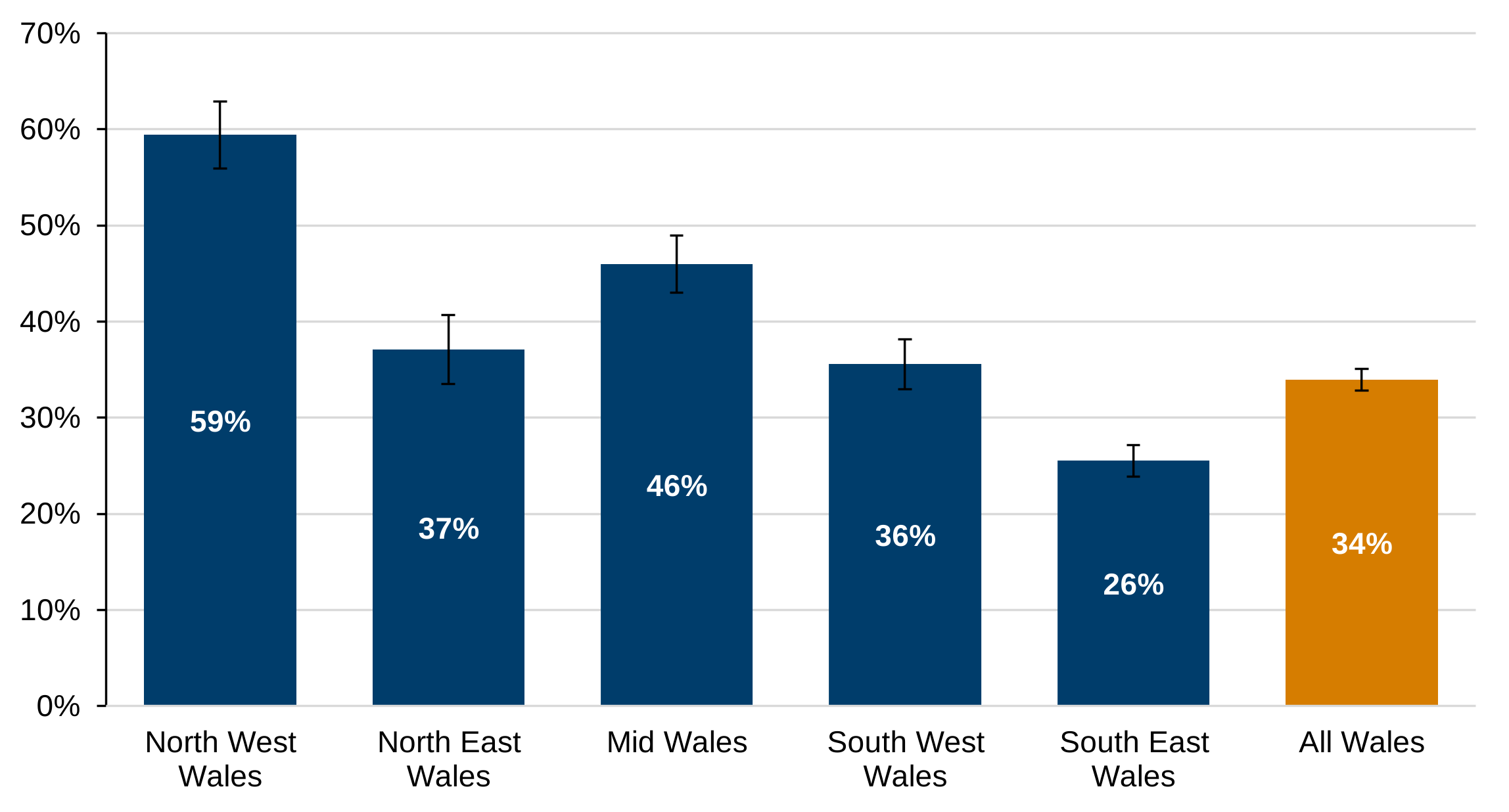
Description of Figure 4: Bar chart displaying the proportion of people living in each region of Wales who said they could speak at least some Welsh. The proportion of people able to speak Welsh is highest in northwest Wales at 59%, followed by mid Wales at 46%. People living in southeast Wales were the least likely to be able to speak Welsh than people from other regions: 26% of people living in southeast Wales were able to speak Welsh.
Source: National Survey for Wales, 2022-23
[Note 1] The black bars in this chart display 95% confidence intervals. Confidence intervals show how precise an estimate is. Wider confidence intervals indicate less precision. Overlapping error bars indicate that differences are not statistically significant.
Factors not linked to being able to speak at least some Welsh
The following factors were explored in the analysis, but were not found to be independently linked with being able to speak at least some Welsh:
- religion
- sexual orientation
- disability
- employment status
- material deprivation
- Welsh Index of Multiple Deprivation (WIMD) quintile
- living in a household containing at least one person aged under 19
- living in a household containing at least one person aged over 60
People who speak Welsh daily
As discussed above, people who reported being able to speak Welsh were also asked to indicate how often they used the language, whether daily, weekly, less often, or never.
11% of people aged 16 or older spoke Welsh daily and could speak more than a few words of Welsh, showing no change from 2021-22.
Demographic factors
Sex and ethnicity were found to be linked with speaking Welsh daily and being able to say more than a few words.
Daily Welsh speakers were more likely to be female than male: 12% of females speak Welsh daily, compared with 9% of males.
People who were white Welsh, English, Scottish or Northern Irish were most likely to speak Welsh daily when compared with people of other ethnicities. 11% of white Welsh, English, Scottish or Northern Irish people spoke Welsh daily. Very few people of other white ethnicities or who were black, Asian, or of another minority ethnic group said they spoke Welsh daily.
Religion was also found to be linked to speaking Welsh daily. Christians of any denomination were more likely to speak Welsh daily than people of other religions or of no religion. 12% of Christians spoke Welsh daily. 6% of people belonging to another religion speak Welsh daily, as were 10% of people with no religion.
Age was also found to be independently linked with being able to speak at least some Welsh, but there was no difference between age groups.
Socio-economic factors
People in employment were more likely to speak Welsh daily than those who were unemployed or economically inactive. 12% of people in employment speak Welsh daily, compared with 9% of people who were economically inactive. Very few people who were unemployed spoke Welsh daily.
People educated to NQF level 4 to 8 (higher education) were more likely to speak Welsh daily than people with lower qualifications, or no qualifications (see Figure 5).
Figure 5: Proportion of people who speak Welsh daily, by highest qualification, 2022-23 [Note 1]
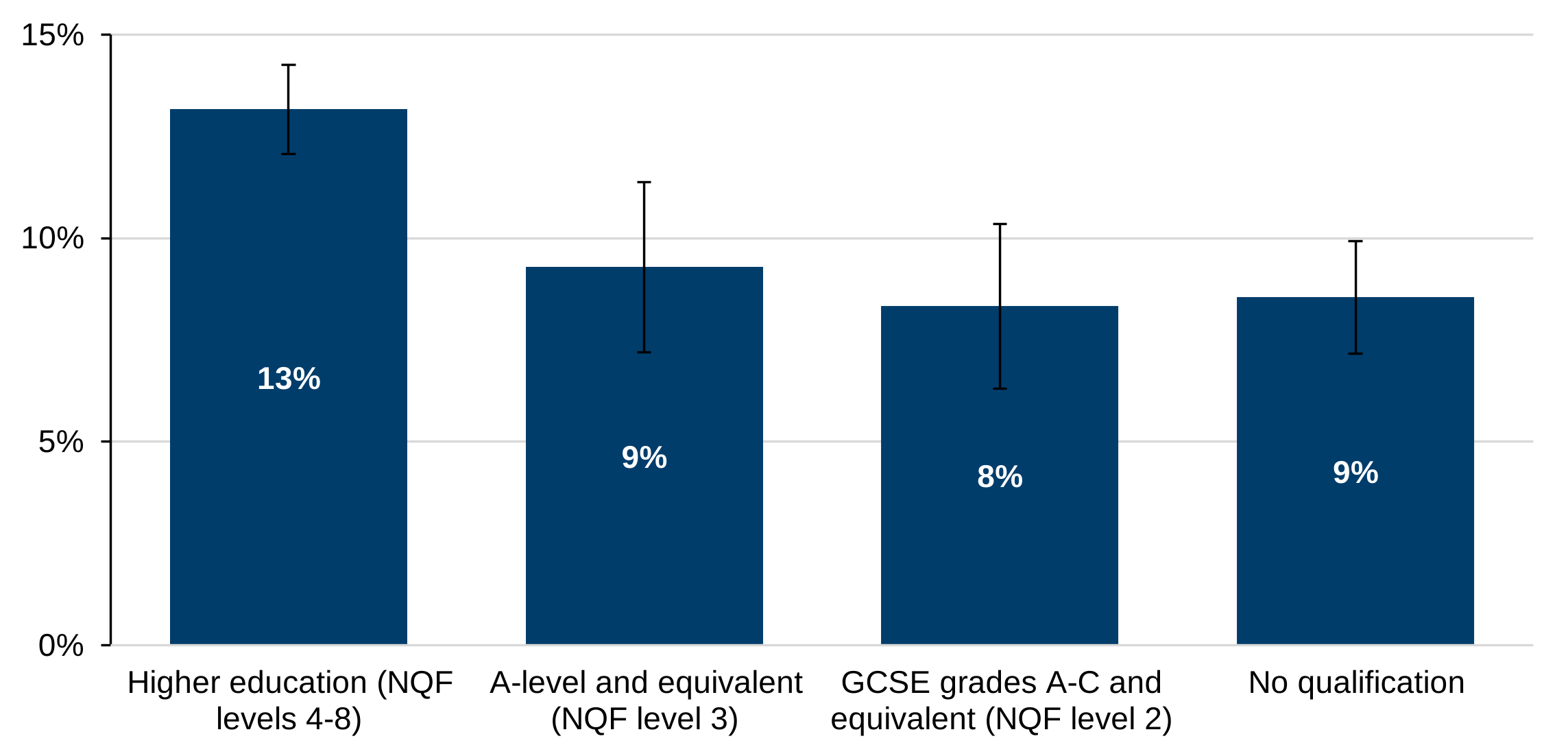
Description of Figure 5: Bar chart displaying the proportion of people with each qualification who said they spoke Welsh daily. 13% of people educated to a higher education level (NQF levels 4 to 8) speak Welsh daily. People whose highest qualifications were GCSE grades A to C (NQF level 2; 8%) or A-levels or equivalent (NQF level 3; 9%), or who held no qualifications (9%), were similarly likely to speak Welsh daily. The frequency of Welsh language use for people with GCSEs below grade C (NQF levels below 2) is supressed as there were too few respondents in this category for robust analysis.
Source: National Survey for Wales 2022-23
[Note 1] The black bars in this chart display 95% confidence intervals. Confidence intervals show how precise an estimate is. Wider confidence intervals indicate less precision. Overlapping error bars indicate that differences are not statistically significant.
People living in areas ranked in the middle (41% to 60% least deprived) or second to least deprived (21% to 40% least deprived) Welsh Index of Multiple Deprivation (WIMD) quintiles were more likely to speak Welsh daily than people in other quintiles (see Figure 6).
Figure 6: Proportion of people who speak Welsh daily in each WIMD quintile, 2022-23 [Note 1]
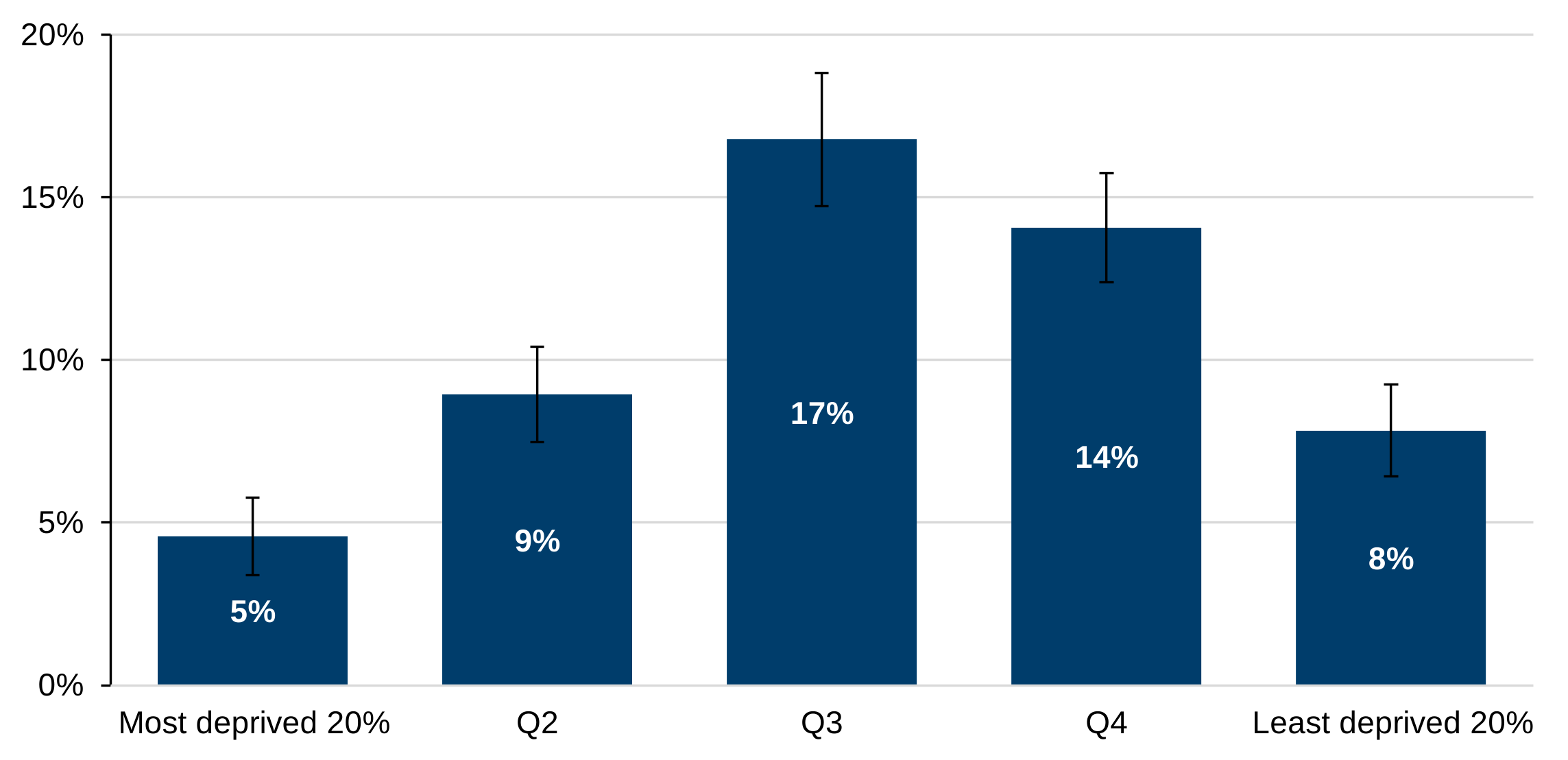
Description of Figure 6: Bar chart displaying the proportion of people in each WIMD quintile that spoke Welsh in daily life. 17% of people in the middle quintile (Q3) and 14% of people in the second to least deprived quintile (Q4) speak Welsh daily. People in the most deprived 20% were least likely to speak Welsh daily, with 5% of people in the quintile speaking Welsh daily.
Source: National Survey for Wales 2022-23
[Note 1] The black bars in this chart display 95% confidence intervals. Confidence intervals show how precise an estimate is. Wider confidence intervals indicate less precision. Overlapping error bars indicate that differences are not statistically significant.
Household and geographical factors
People were found to be more likely to speak Welsh daily if they lived in a household containing at least one person under the age of 19. 12% of people whose household contained people under 19 years of age spoke Welsh in daily life, compared with 10% of people whose household did not.
Rurality and region were found to be linked to speaking Welsh daily. People living in rural areas were more likely to speak Welsh in daily life than those living in urban areas: 21% of people living in rural areas said they spoke Welsh daily and could speak more than a few words, compared with 6% of people living in urban areas.
People living in northwest Wales were found to be much more likely to speak Welsh daily than those living in other regions of Wales (see Figure 7), with 40% of people living in northwest Wales speaking Welsh daily. People living in southeast Wales were least likely to use Welsh in their daily lives, at 4%.
Figure 7: Proportion of people who speak Welsh daily living in each region of Wales, 2022-23 [Note 1]
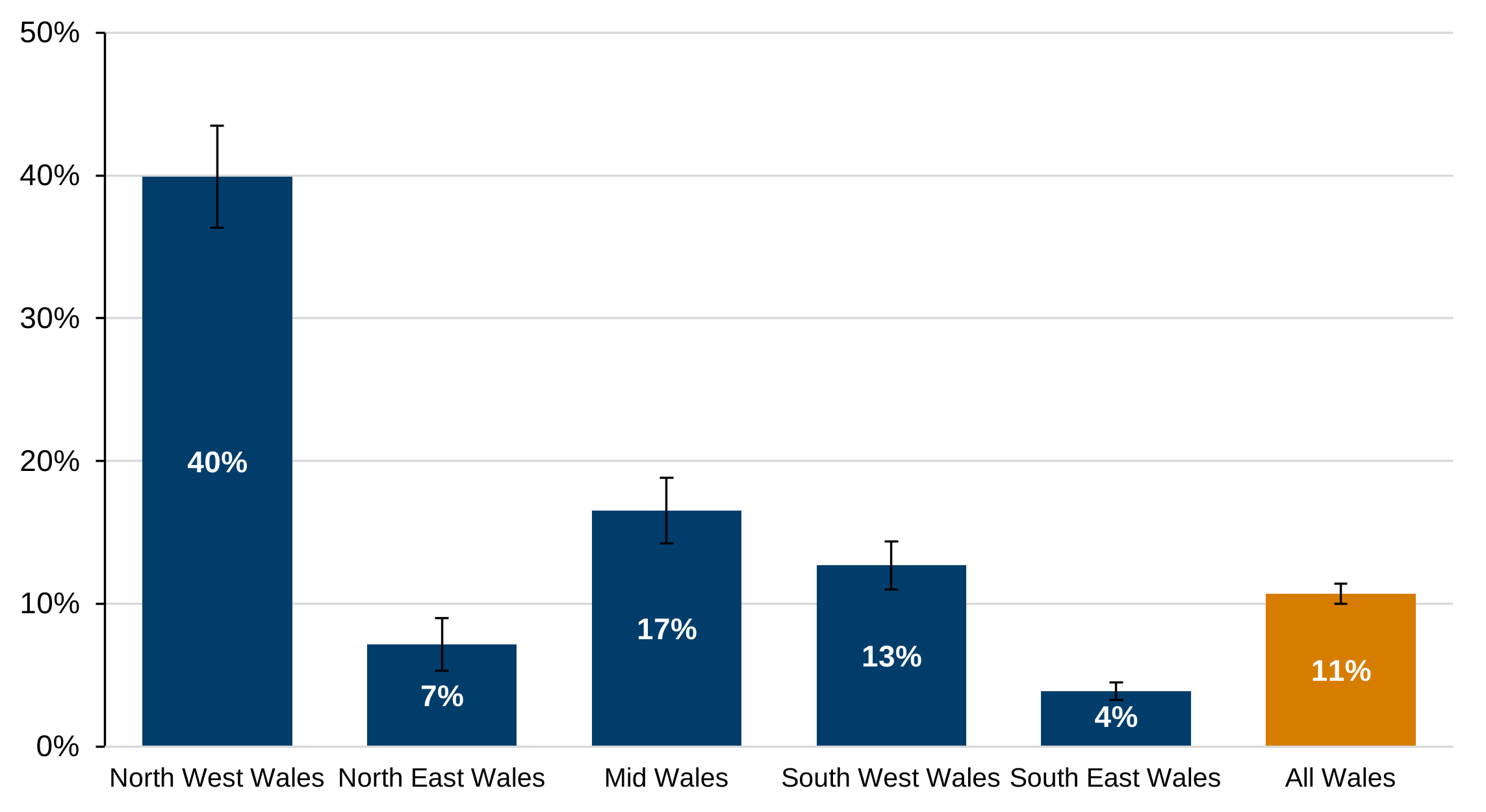
Description of Figure 7: Bar chart displaying the proportion of people living in each region of Wales that spoke Welsh in daily life. People living in northwest Wales and mid Wales were more likely to speak Welsh daily than the national average of 11%. People living in northeast or southeast Wales were less likely than the national average to speak Welsh daily.
Source: National Survey for Wales 2022-23
[Note 1] The black bars in this chart display 95% confidence intervals. Confidence intervals show how precise an estimate is. Wider confidence intervals indicate less precision. Overlapping error bars indicate that differences are not statistically significant.
Factors not found to be linked to speaking Welsh in daily life
The following factors were explored in the analysis, but were not found to be independently linked to using Welsh in daily life:
- marital status
- disability
- sexuality
- tenure
- being in material deprivation
- participation in volunteering
- living in a household containing at least one person over the age of 60
Policy context
The Welsh Government published its Welsh language strategy, Cymraeg 2050: A million Welsh speakers, in 2017. The strategy sets out the Government’s long-term approach to achieving a million Welsh speakers by 2050 and to double the daily use of the language.
The Well-being of Future Generations Act (Wales) 2015 relates to improving the social, economic, environmental and cultural well-being of Wales. One of the seven aims for the well-being of future generations is for a thriving Welsh language. Progress towards this aim is measured by two national indicators:
- The percentage of people who speak Welsh daily and can speak more than just a few words of Welsh
- The number of people who can speak Welsh
A million Welsh speakers by 2050 has been included as one of the national milestones for the national wellbeing indicators.
The Welsh Language and Education (Wales) Act 2025 includes a target for one million Welsh speakers by 2050, along with other targets relating to the language. The intention is to strengthen the role of the Welsh language in education and to ensure that all pupils of maintained schools in Wales are independent Welsh language users when they leave school.
Well-being of Future Generations Act (WFG)
The Well-being of Future Generations Act 2015 is about improving the social, economic, environmental, and cultural wellbeing of Wales. The Act puts in place seven wellbeing goals for Wales. These are for a more equal, prosperous, resilient, healthier, and globally responsible Wales, with cohesive communities and a vibrant culture and thriving Welsh language. Under section (10)(1) of the Act, the Welsh Ministers must (a) publish indicators (“national indicators”) that must be applied for the purpose of measuring progress towards the achievement of the wellbeing goals, and (b) lay a copy of the national indicators before Senedd Cymru. Under section 10(8) of the Well-being of Future Generations Act, where the Welsh Ministers revise the national indicators, they must as soon as reasonably practicable (a) publish the indicators as revised and (b) lay a copy of them before the Senedd. These national indicators were laid before the Senedd in 2021. The indicators laid on 14 December 2021 replace the set laid on 16 March 2016. Information on the indicators, along with narratives for each of the wellbeing goals and associated technical information is available in the Well-being of Wales report.
Further information on the Well-being of Future Generations (Wales) Act 2015.
The statistics included in this release could also provide supporting narrative to the national indicators and could be used by public services boards in relation to their local wellbeing assessments and local wellbeing plans.
Comparisons with other sources
As Welsh language ability questions in the National Survey contains a third ‘no, but some ability to’ option in addition to ‘yes’ and ‘no’, this data is not directly comparable with that of the UK Census, which allows only for a binary ‘yes’ or ‘no’ answer. The UK Census is the source chosen to measure the number of Welsh speakers in Wales.
In April 2023, a workplan was published which outlines the work that the Office for National Statistics and the Welsh Government are planning to undertake to improve understanding of the survey and administrative data sources used to produce statistics about the Welsh language.
Further work will include comparing Welsh language data from the National Survey for Wales with other data sources.
Quality information
The National Survey for Wales is a continuous, large-scale, random sample telephone survey covering people across Wales. Addresses are randomly selected, and invitations sent by post, requesting that a phone number be provided for the address. The phone number can be provided via an online portal, a telephone enquiry line, or direct to the mobile number of the interviewer for that case. If no phone number is provided, an interviewer may call at the address and ask for a phone number.
The charts in this report feature confidence intervals. Confidence intervals show how precise an estimate is. Wider confidence intervals indicate less precision. Error bars that overlap indicate that differences are not statistically significant.
Detailed charts and tables of results are available in our interactive National Survey for Wales: results viewer. For information on data collection and methodology please see our Quality report, Technical report, and Regression report pages.
Cross-analysis suggests that various factors may be associated with the responses given to each question asked in the National Survey. However, these factors are often linked to each other (for example, people with a limiting long-term condition may also be older). To get a clearer understanding of the effect of each individual factor, we have used statistical methods to separate out the individual effect of each factor. These methods allow us to look at the effect of one factor while keeping other factors constant – sometimes called “controlling for other factors”. Each breakdown described in this report was identified as an individual factor.
The differences between groups within these factors (for example, between males and females, or across age bands) discussed in this report are statistically significant, unless otherwise noted, indicating that the differences are unlikely to be due to chance in who took part in the survey. The charts that follow feature both significant and non-significant differences. Significant differences can be identified where non-overlapping error bars exist on the same chart.
As with all analysis of this kind, while we discuss associations between different factors, we cannot establish cause and effect for these associations, nor can we account for factors not measured in the survey.
National Statistics status
The UK Statistics Authority (UKSA) has designated these statistics as National Statistics, in accordance with the Statistics and Registration Service Act 2007 and signifying compliance with the Code of Practice for Statistics (UKSA).
National Statistics status means that official statistics meet the highest standards of trustworthiness, quality, and public value.
All official statistics should comply with all aspects of the Code of Practice for Statistics. They are awarded National Statistics status following an assessment by the UKSA’s regulatory arm. The Authority considers whether the statistics meet the highest standards of Code compliance, including the value they add to public decisions and debate.
It is Welsh Government’s responsibility to maintain compliance with the standards expected of National Statistics. If we become concerned about whether these statistics are still meeting the appropriate standards, we will discuss any concerns with the Authority promptly. National Statistics status can be removed at any point when the highest standards are not maintained and reinstated when standards are restored.
The continued designation of these statistics as National Statistics was confirmed in June 2020 following a compliance check by the Office for Statistics Regulation (letter of confirmation (UKSA)). These statistics last underwent a full assessment against the Code of Practice in 2013 (UKSA).
Since the latest review by the Office for Statistics Regulation, we have continued to comply with the Code of Practice for Statistics, by for example:
- providing more detailed breakdowns in the National Survey for Wales: results viewer
- updated the survey topics regularly to ensure we continue to meet changing policy need
- continued to carry out regression analysis as a standard part of our outputs, to help users understand the contribution of particular factors to outcomes of interest