
Wellbeing of Wales 2025 - A prosperous Wales
A summary of progress on improving our social, economic, environmental and cultural wellbeing.
In this page
The goal for a prosperous Wales
Authors: Dr Thomas Nicholls and Sue Leake
A prosperous Wales: An innovative, productive and low carbon society which recognises the limits of the global environment and therefore uses resources efficiently and proportionately (including acting on climate change); and which develops a skilled and well-educated population in an economy which generates wealth and provides employment opportunities, allowing people to take advantage of the wealth generated through securing fair work.
Progress towards the goal
Longer term progress towards the Prosperous Wales goal has been mixed, with overall labour market outcomes improved as compared with the period prior to devolution in 1999. Progress has been less marked in addressing poverty, low productivity, pay and income levels. Whilst progress has been made on decarbonisation, more rapid change will be needed in future to meet targets.
Economic performance has been mixed over the last year, with economic data continuing to suggest the economy in Wales is performing in similar manner to the wider UK economy.
The labour market has weakened with job losses more concentrated in predominantly private sector industries.
Welsh economic performance continues to be weaker than the UK as a whole in terms of economic output (gross value added) and household income (for both gross disposable household income and median household income), but is broadly similar to some other parts of the UK with similar features and characteristics.
The percentage of people living in relative income poverty in financial year 2022 to 2023 to financial year 2023 to 2024 was 22% compared with 25% toward the end of the last century. Children are more likely to be in relative income poverty at 31% in the latest three-year period than the population overall, but here too, the incidence of poverty has decreased.
Average household incomes in Wales are considerably closer to the UK average than gross value added (GVA) per head, with differences depending on the measure used and with the gap smallest when assessed using the middle household (or median) which is considered a more typical household for comparisons.
The historical gaps in employment and activity rates between Wales and other parts of the UK have narrowed since the turn of the century, with Wales outperforming some English regions over the medium term. This represents a marked change from the period prior to devolution in the 1980s and 1990s.
Wales has a higher percentage of people earning less than the real living wage than some other parts of the UK. In addition, the evidence on other aspects of the quality of work and pay gaps suggests a mixed picture in Wales.
Provisional estimates for 2023 show that the proportion of 16 to 24 year olds who were in education, employment or training (86.4%), is approaching the 90% national milestone, up from around 80% in the period 2010 to 2012.
The qualification profile of the Welsh working age population has been improving over time, moving towards the relevant milestones, with an increase in the proportion of working age adults with level 3 (equivalent to A levels) and level 4 qualifications (equivalent to degree level) in the last decade whilst the proportion with no qualifications decreased.
Attainment in secondary schools rose in the years before the pandemic. Data for the academic year 2023 to 2024, which saw a full return to pre-pandemic examination arrangements, shows a small decrease in the headline measure (the Capped 9 indicator) since 2022 to 2023 and since the year prior to the pandemic (2018 to 2019). Children from deprived backgrounds still have poorer outcomes.
Management of the interaction between economic growth and the development of an innovative, low carbon economy is complex and poses challenges, but there are positive signs in some sectors.
Since the 2008 recession, investment in business innovation in Welsh firms has fluctuated, with some improvement in businesses being actively innovative recorded prior to the pandemic.
Economic performance
As across the UK as a whole, growth in the economy and in real incomes has been sluggish since the recession of 2008, reflecting poor productivity growth. Productivity growth has also been weak in most other developed countries, but the UK has fared particularly badly. This issue is discussed in detail in the Wales Economic and Fiscal report 2024. The prolonged period of slow growth in productivity and real incomes is unprecedented in modern times.
Over the longer run, since 1998, and taking economic indicators in the round, Wales has broadly kept pace with the UK. While its economic performance continues to be weak compared with many other parts of the UK, productivity data over the last decade gives some grounds for optimism. However, the gap with the UK as a whole remains, and the UK itself does not perform strongly when productivity levels are compared internationally.
Gross value added (GVA) represents the value of all goods and services produced in an area. It is both the source of the real incomes people earn and the base on which taxes can be levied to fund public services.
While GVA per head of population in Wales has grown broadly in line with the UK since 1998, it remains lower than almost all other countries and regions of the UK.
Latest data (for 2023) shows that GVA per head in Wales was 72.2% of the UK average, the second lowest of the 12 UK countries and English regions, ahead of the North East.
Welsh performance on GVA per head is mainly a reflection of relatively low productivity levels. One measure of productivity, GVA per hour worked, is lower in Wales than in other UK countries and regions in England. In 2023 it was 84.9% of the UK figure. Since 2004, productivity in Wales has been in a range of 81.9% to 86.0% of the UK average.
Figure 1.1: Welsh gross value added per hour worked, relative to the UK (UK = 100), 1998 to 2023
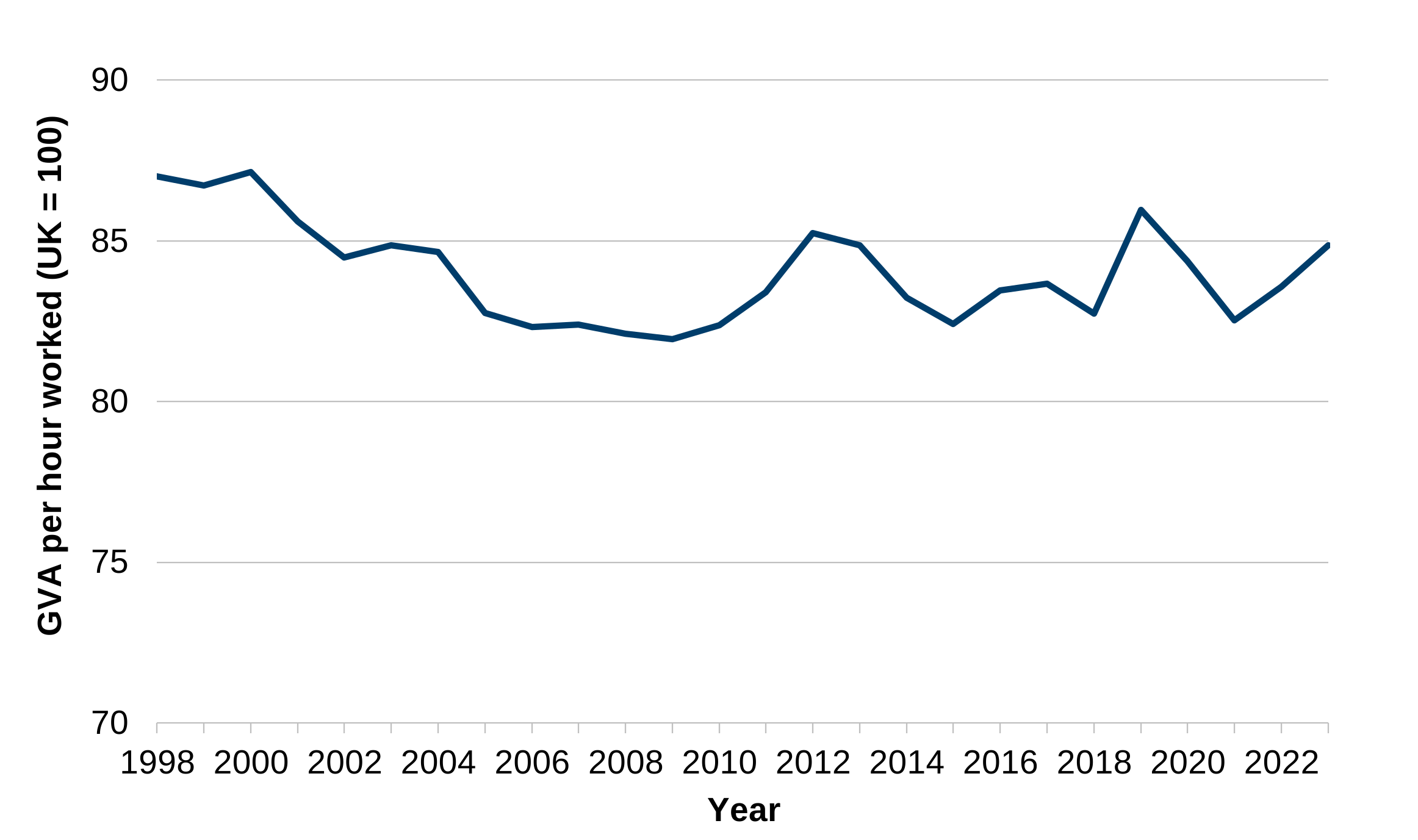
Description of figure 1.1: a line chart showing that GVA (gross value added) per hour worked in Wales relative to the UK (current price index UK = 100) has been relatively stable since 1998, with Welsh productivity remaining below the UK average.
Source: Welsh Government analysis of Regional labour productivity, UK, 1998 to 2023, ONS
Innovation in businesses
The latest information from the UK innovation survey (which is published every 2 years with the latest data for 2020 to 2022) indicates that 31% of Welsh businesses are innovation-active (based on an Organisation for Economic Co-operation and Development (OECD) definition). This means that they are undertaking activities such as introducing new or significantly improved products, services, processes; or business structures or practices; or investing in research and development or training.
Wales had the lowest proportion of innovative firms of the UK countries and English regions over the period. This uses the geographic location based on businesses’ head office location. It is unclear how much of an effect this may have on measuring innovation in Wales. The most recent survey period (2020 to 2022) includes the COVID-19 pandemic, which is likely to have had an impact on business innovation.
Since the 2008 recession, investment in business innovation has fluctuated in Wales. The latest period (2020 to 2022) shows a decrease in Wales compared to previous periods, although there were also decreases in the percentages of businesses who were innovation active in all UK countries.
Figure 1.2: innovation-active businesses in Wales and the UK, 2008-10 to 2020-22
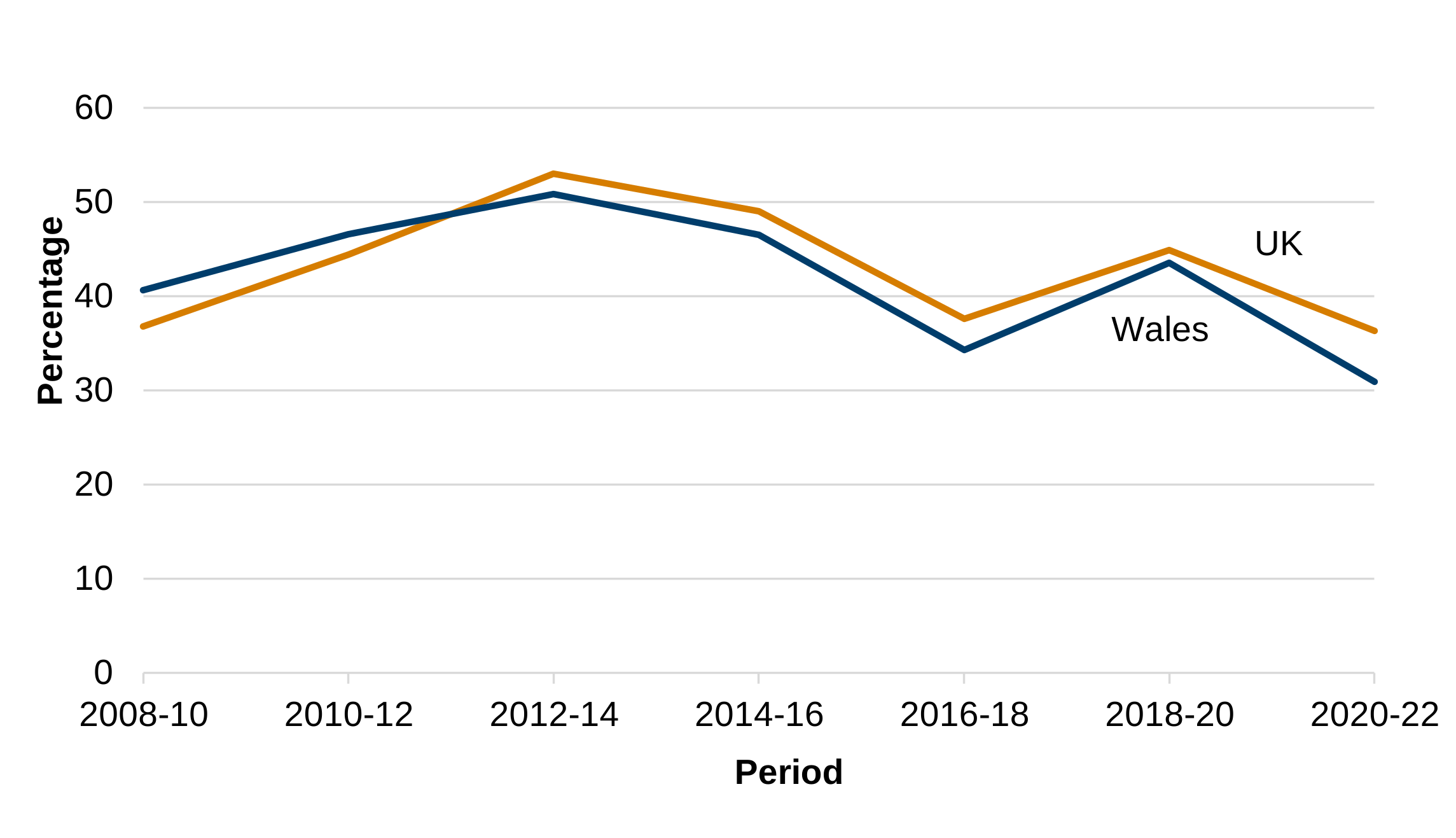
Description of figure 1.2: a line chart showing that the proportion of innovation-active businesses in Wales has closely followed the UK trend, with both showing a decrease for the most recent survey period (2020 to 2022).
Source: UK Innovation Survey, Department for Business and Trade.
Household income
Household income is a better indicator of people’s prosperity and material wellbeing than economic output measures. Average household incomes in Wales are considerably closer to the UK average than GVA per head, but there are differences depending on the measure used, with the gap narrowest when median incomes are considered.
The national indicator on income uses the measure gross disposable household income (GDHI). The national milestone on household income is to improve GDHI per head by 2035. On this measure Wales, according to the most recent data (2023), has risen by 14% since 2020, It is, however, at 81% of the UK figure, having fallen from 88% at its peak in 2003. This relative fall has partly been driven by a steep increase in household incomes in London, which has helped to drive up the UK average.
Whilst Wales has the second lowest GDHI per head of the UK countries and regions, it is broadly comparable to areas of the UK with similar characteristics. This is also a mean measure of household income, which may be affected by Wales having an absence of a small share of very high-income households. This is discussed more in the Wales Economic and Fiscal report 2024. The Wales Economic and Fiscal report 2025 will be published on 14 October 2025.
Figure 1.3: gross disposable household income per head, Wales and UK, 1999 to 2023
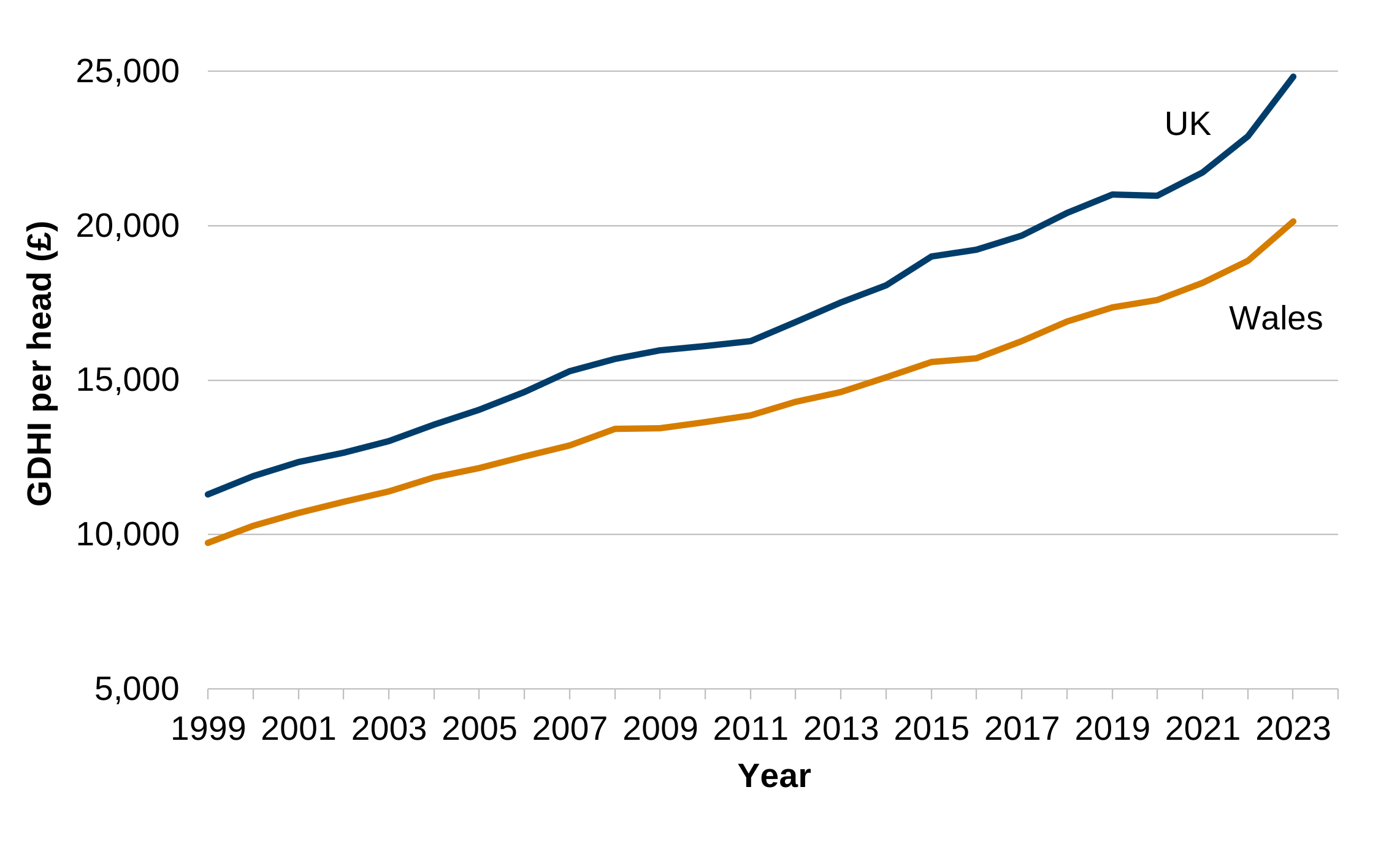
Description of figure 1.3: a line chart showing that GDHI per head has increased overall in Wales and the UK since 1999, with the value for Wales remaining below the UK across the timeseries.
Source: Regional Gross Disposable Household Income, ONS
Labour market
The national milestone on employment is to eradicate the gap between the employment rate in Wales and the UK by 2050, with a focus on fair work and raising labour market participation of under-represented groups.
The Annual Population Survey (APS) allows for estimates of labour market outcomes at a local authority level and for sub-groups of the population and is the source for the national indicators and related national milestones. As most labour market data is survey-based and volatile, short-term changes should not be over-interpreted.
According to the APS, the employment rate for people aged 16 to 64 in Wales was 73.4% in the year ending March 2025 whilst the UK rate was 75.4%. Both these rates are roughly stable compared to the previous year. Since the year ending March 2005, the employment rate has increased by 4.0 percentage points in Wales and by 2.9 percentage points in the UK with the gap in the employment rate narrowing from 3.1 percentage points to 2.0 percentage points.
More recent data show that the labour market effects of COVID-19 which disproportionately affected some groups (such as those in low-paid jobs or less secure employment) appear to be reducing. (further analysis of the impact on inequalities is included in the More equal Wales chapter).
The Wales Economic and Fiscal report 2024 provides broad contextual information and analysis for labour market performance with particular focus on employment, unemployment and economic inactivity at the all Wales level. These headline indicators are not national milestones.
Participation in education and the labour market
A national milestone on participation in education and the labour market was set in 2021 which is that at least 90% of 16 to 24 year olds will be in education, employment or training by 2050.
Provisional estimates for 2023 show that 86.4% of 16 to 24 year olds were in education, employment or training, up from 86.1% in 2022. The increase was largely driven by an increase in employment for 19 to 24 year olds.
Using the main measure of young people in education, employment or training, there was an increase in the proportion of 16 to 18 year olds in education, employment or training (from 87.7% in 2022 to 89.9% in 2023) and a decrease in the proportion of 19 to 24 year olds (from 85.4% in 2022 to 84.8% 2023). For 16 to 18 year olds, this is a return to the relatively stable rate of 89% to 90% seen between 2012 and 2018.
Figure 1.4: percentage of young people in Wales in education, employment or training, 2005 to 2023 [Note 1]
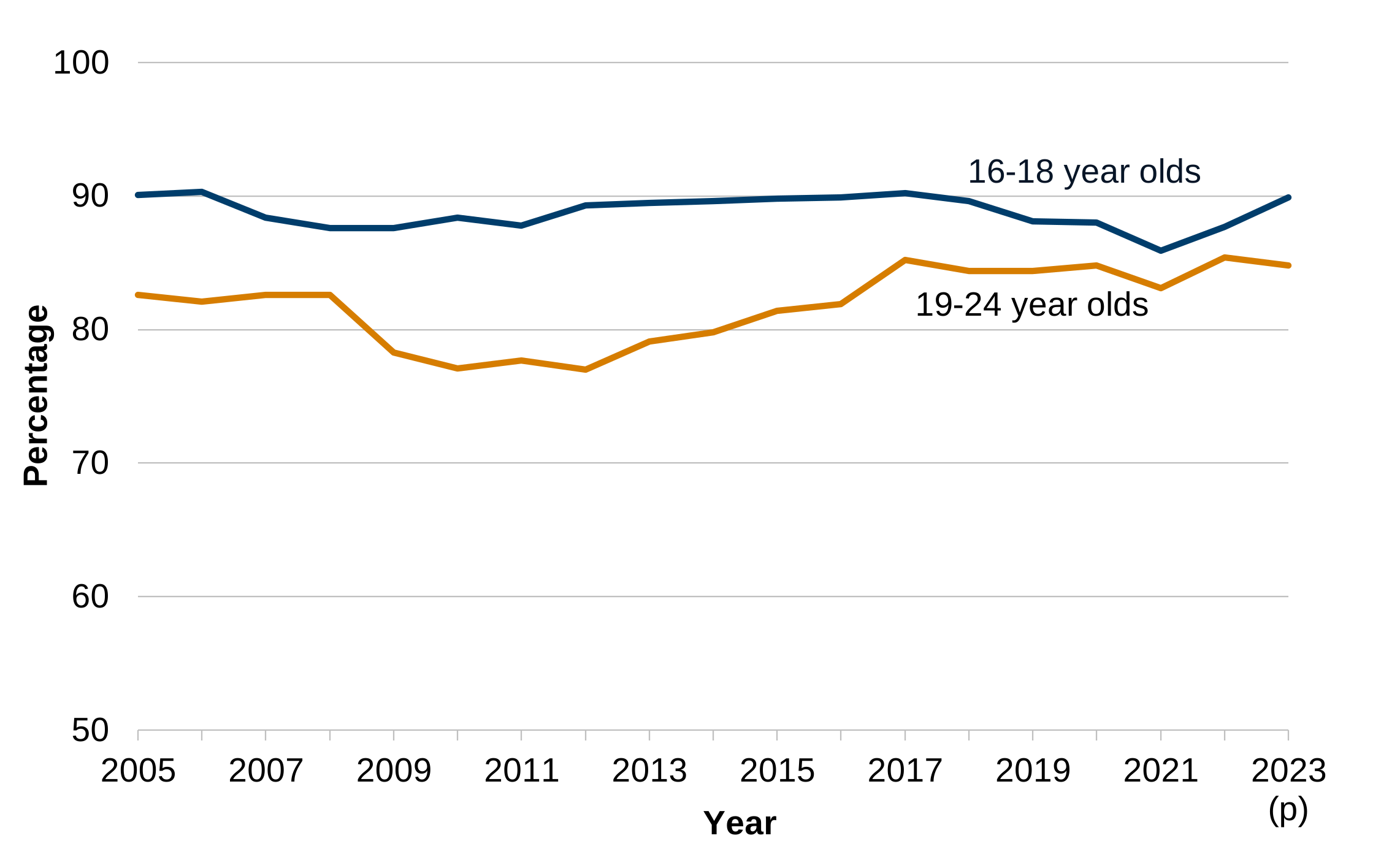
Description of figure 1.4: a line chart showing that the percentage of young people in Wales aged 16 to 18 years old in education, employment or training has remained relatively steady since 2005, whilst the percentage of those aged 19 to 24 years fell below 80% between 2009 and 2014 but has since recovered to 84.8% in 2023.
Source: Participation of young people in education and the labour market, Welsh Government
[Note 1] Chart axis does not start at zero.
(p): Figures for 2023 are provisional.
Fair work and earnings
A national indicator on the proportion of employees whose pay is set by collective bargaining was introduced in December 2021, based on data from the Annual Survey of Hours and Earnings (ASHE). Some 53% of employee jobs were covered by collective bargaining arrangements in 2024, where pay and conditions are negotiated between an employer and a trade union. This has remained steady since 2022 but is lower than in many previous years. However, it is considerably higher than the majority of the other UK countries and England regions and reflects the relatively higher share of employees in Wales who work in the public sector and in manufacturing.
The national indicator on fair work and earnings considers the percentage of people in employment, who are on permanent contracts (or on temporary contracts, and not seeking permanent employment) and who earn at least the real living wage. The real living wage is calculated by the Living Wage Foundation who determine the methodology. It aims to reflect the cost of living.
In 2024, 67% of people on permanent contracts (or on temporary contracts, and not seeking permanent employment) earned at least the real living wage, an increase from 64% in 2023. This is based on the real living wage for financial year 2024 to 2025 as published in October 2024.
Figure 1.5: percentage of people in employment, who are on permanent contracts (or on temporary contracts, and not seeking permanent employment) and who earn at least the real living wage, 2012 to 2024
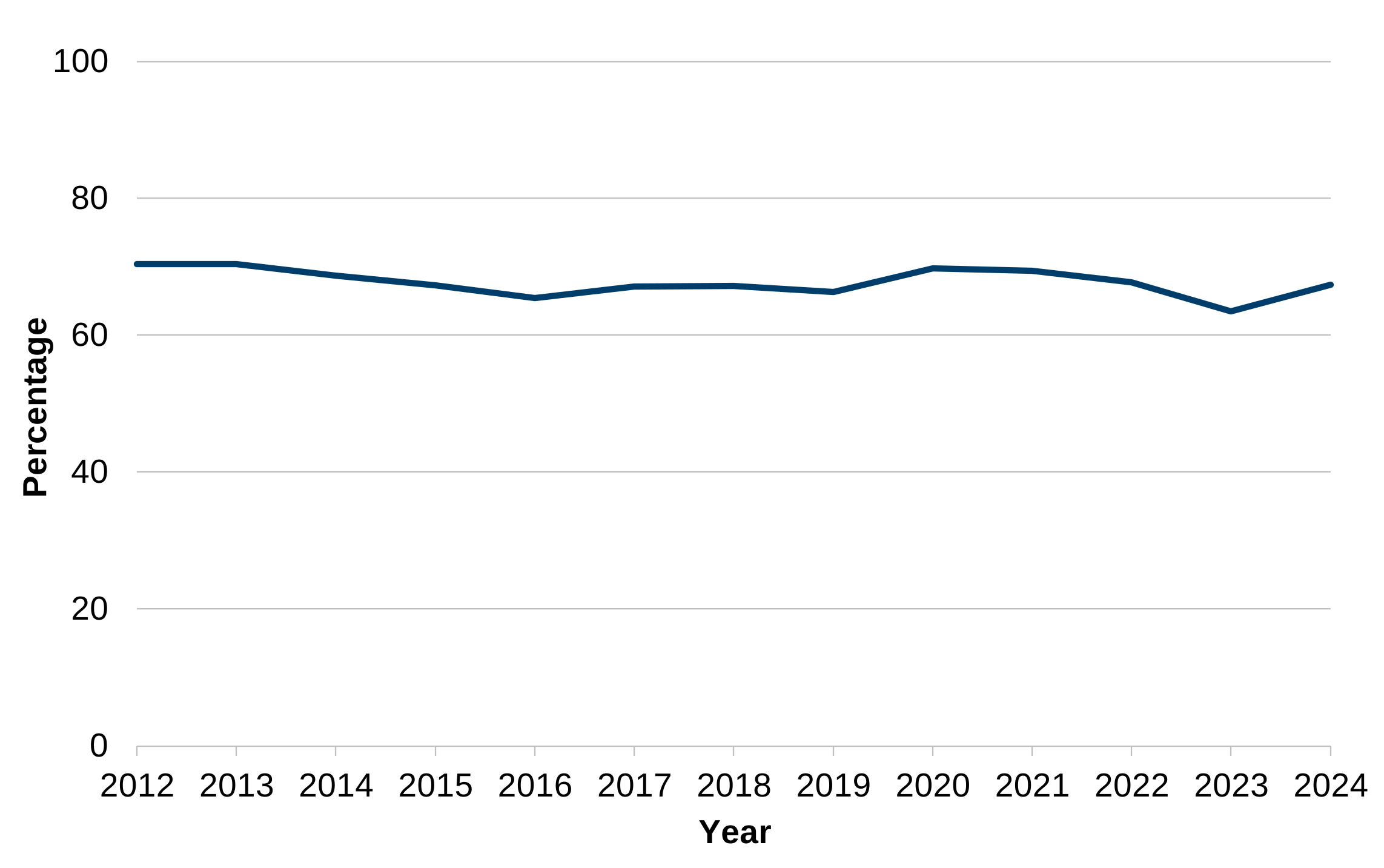
Description of figure 1.5: a line chart showing that the number of people in employment earning at least the real living wage in Wales increased over the year to 67% in 2024. The series had dipped in 2023 to 64%.
Source: Welsh Government analysis of the APS
A national milestone has been set to eliminate the pay gap for gender, disability and ethnicity by 2050. Over the long-term, the gender pay gap (on a median hourly full-time basis and excluding overtime) has narrowed. In April 2024, the (full-time) gender pay gap was 1.9%, down from 4.9% in the previous year. The gap narrowed slightly in the UK to 7.0%.
The gender pay gap for all employees remains considerably higher at 8.9%. This is because women fill more part-time jobs, which in comparison with full-time jobs have lower hourly median pay.
These gaps do not take into account differences in education levels and experience, which vary across genders and affect earning levels.
Figure 1.6: percentage difference in median hourly full-time earnings between men and women, 1999 to 2024 [Note 1]
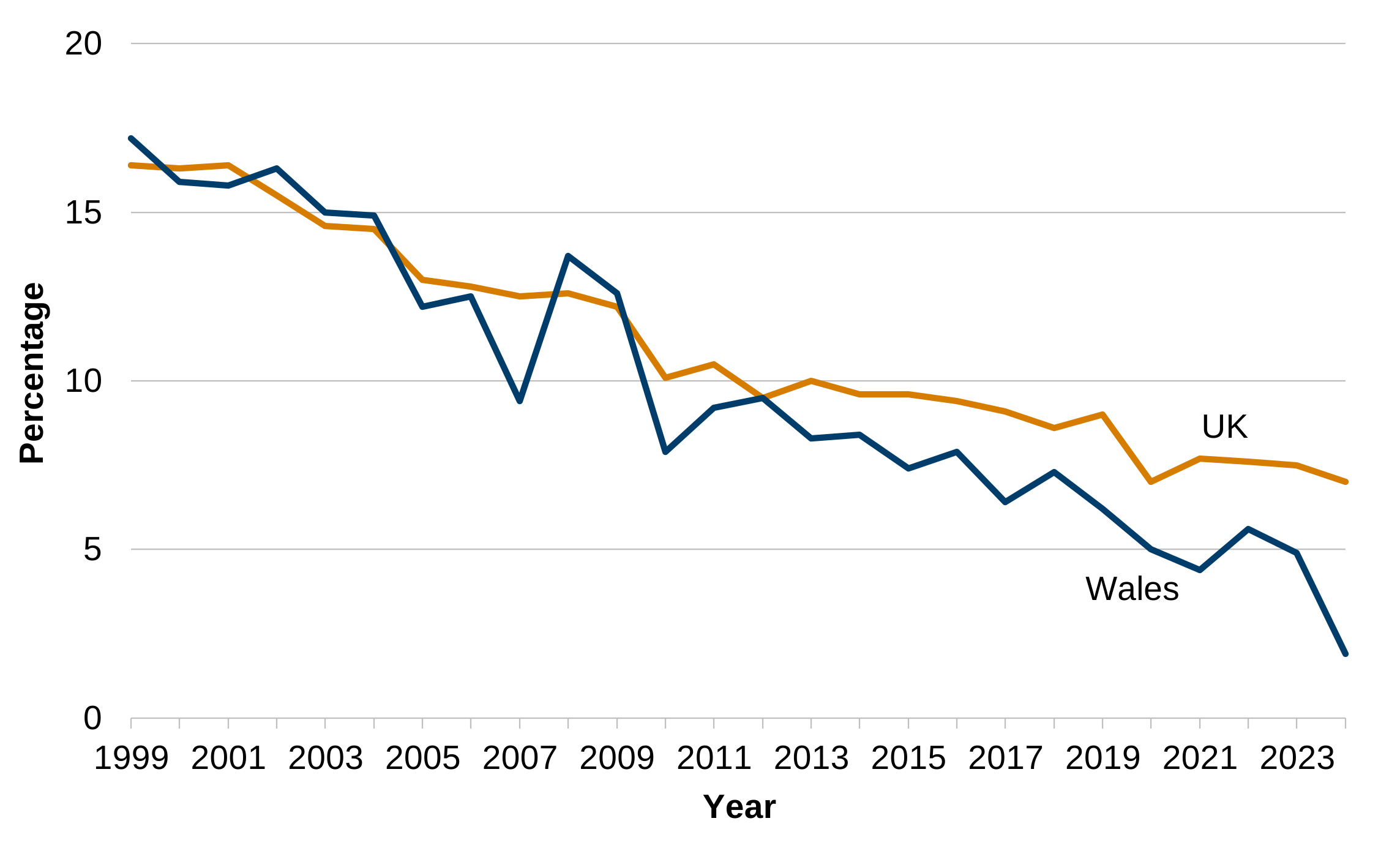
Description of figure 1.6: a line chart showing that the difference in median hourly full-time earnings between men and women has decreased over the last 20 years for both Wales and the UK. Wales has had a narrower gender pay gap than the UK since 2013.
Source: Welsh Government Analysis of the Annual Survey of Hours and Earnings, ONS
[Note 1] A pay difference greater than zero means men’s earnings are higher than women’s.
In 2024, the pay difference between disabled and non-disabled people in Wales was £1.18 an hour (7.8%). This means that disabled employees in Wales earned, on average £1.18 less per hour than non-disabled employees. This is a decrease on the previous year when the pay gap was £1.75 (12.2%). However, there is high volatility in the disability pay difference data which means we are unable to determine whether there has been a significant change since 2015.
In 2024, Black, Asian and Minority Ethnic employees in Wales earned, on average £0.54 (3.6%) less per hour than White employees . This compares to an ethnicity pay difference of £1.93 (or 13.8%) in 2023. However, much like the disability pay gap, there is high volatility in the ethnicity pay difference data which means we are unable to determine whether there has been a significant change since 2015.
Disability and ethnicity pay differences are based on median hourly earnings for all employees.
Due to the high volatility in the data for the ethnicity pay difference in Wales, short-term changes should be considered alongside longer-term trends where possible. Since 2019, the ethnicity pay difference has seen an overall increase where average hourly earnings for White employees have increased by 31.8% whereas average hourly earnings for Black, Asian and Minority Ethnic employees have increased by 28.8%.
Poverty and deprivation
Relative income poverty
People living in relative income poverty are those who live in a household where the total household income from all sources is less than 60% of the average UK household income (as given by the median).
For regions and countries of the UK, the latest data point published is for the 3-year period between financial years 2021 to 2022 and 2023 to 2024.
Between 2021 to 2022 and 2023 to 2024, 22% of all people in Wales were living in relative income poverty (after housing costs were paid). Children are more likely to be in relative income poverty, at 31% in the latest 3-year period, than working-age adults (21%) and pensioners (16%).
The percentage of people living in relative income poverty has been relatively stable in Wales for over 18 years, with children more likely to be in relative income poverty than the population overall. Although rates of people living in relative income poverty in Wales increased for children and decreased for pensioners in the most recent period, none of the changes were statistically significant.
Figure 1.7: percentage of each age group in Wales living in relative income poverty (after housing costs), 3-financial-year averages [Note 1]
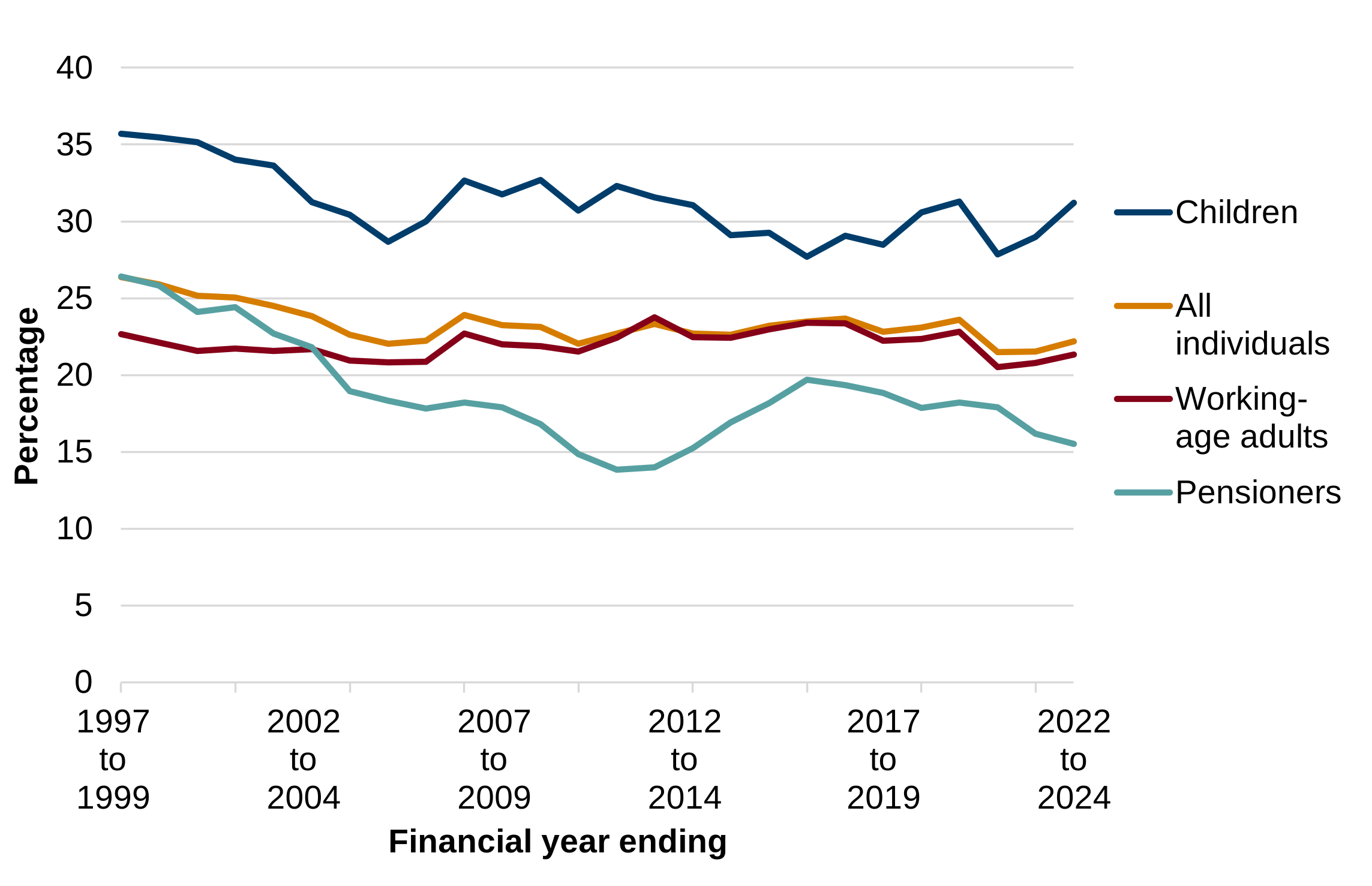
Description of figure 1.7: a line chart showing people in Wales living in relative income poverty (after housing costs were paid) from 1997 onwards. The percentage of people living in relative income poverty has been relatively stable in Wales for over 18 years, with children more likely to be in relative income poverty than the population overall.
Source: Welsh Government Analysis of the DWP's Households below average income dataset, based on the Family Resource Survey
[Note 1] Estimates for periods which span 2020 to 2021 do not include the data collected during 2020 to 2021 in calculations. For those 3 periods , estimates formerly calculated as 3 year rolling averages are based on 2 year rolling averages that omit the 2020 to 2021 survey data. 2020 to 2021 estimates are unreliable as they are based on data collected during the first year of the coronavirus (COVID-19) pandemic, when lockdown rules severely disrupted the data collection.
A person is considered to be in persistent poverty if they are in relative income poverty in at least 3 out of 4 consecutive years. Data from the Understanding Society survey shows that an individual in Wales had a 12% likelihood of being in persistent poverty between 2019 and 2023 (after housing costs were paid). A child in Wales had a higher likelihood of being in persistent poverty at 16%.
Material deprivation
Material deprivation is a measure of living standards, and a person is defined to be living in material deprivation if they are not able to access a certain number of goods and services.
Data on material deprivation is sourced from the National Survey for Wales. The continuation of COVID-19 pandemic restrictions into financial year 2021 to 2022 affected the measurement of material deprivation. The restrictions that remained in place affected people’s access to some social opportunities or services, regardless of deprivation or financial constraint.
Fieldwork issues for the National Survey for Wales in 2024 to 2025 have resulted in smaller sample sizes than in previous years and some differences in the sample composition.. This may have an impact on the estimates of material deprivation for this year. See the National Survey for Wales quality report for more information.
In the years prior to the pandemic, the percentage of working-age adults in material deprivation reduced from 19% in 2017 to 2018 to 16% in 2019 to 2020. There was also a decrease in material deprivation among pensioners (from 7% to 4% in the period).
More recently, between 2021 to 2022 and 2024 to 2025, levels of material deprivation for working age adults rose up to 19% in 2022 to 2023 but then fell back to 14% in 2024 to 2025. Levels of material deprivation in pensioners has remained around 4% to5% since 2018 to 2019.
Earlier data from 2022 to 2023, indicated that 25% of people who had children in their household were in material deprivation, compared with 11% of people in child-free households. However, a lower proportion of parents had children who were experiencing material deprivation themselves (9%). This was an increase from when last measured in 2019 to 2020, when 6% of parents had children who were experiencing material deprivation.
Figure 1.8: percentage of people in material deprivation (in Wales, financial years 2016-17 to 2024-25 [Note 1] [Note 2] [Note 3] [Note 4]
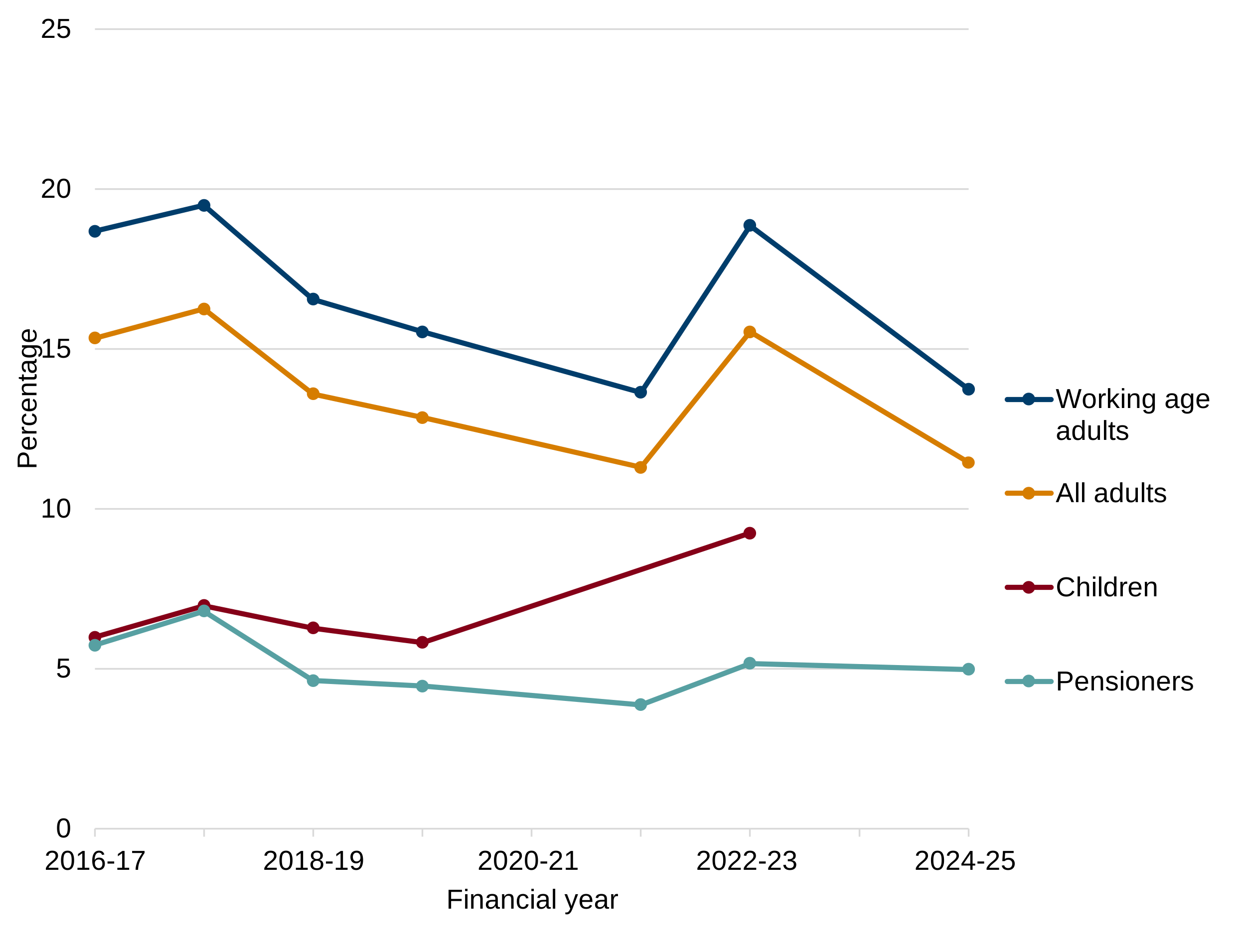
Description of figure 1.80: a line graph showing that the proportion of working-age adults and pensioners who were materially deprived both fell prior to the pandemic whilst the trend for children was relatively stable. The proportion for each of these groups rose in 2022 to 2023 before falling to around 2021 to 2022 levels in 2024 to 2025 (where data is available).
Source: National Survey for Wales
[Note 1] Material deprivation data was not collected for the 2020 to 2021 survey year.
[Note 2] From 2021 to 2022, material deprivation statistics are not strictly comparable with the pre-pandemic period. The National Survey transitioned from a face-to-face to telephone-based survey, which may have influenced respondents answering of the material deprivation questions.
[Note 3] Fieldwork issues for the National Survey for Wales in 2024 to 2025 have resulted in smaller sample sizes than in previous years and some differences in the sample composition. This may have an impact on the estimates of material deprivation for this year [Note 4] The percentage of children in material deprivation is not available for the 2024 to 2025 survey year.
Income spent on housing costs
The national indicator on the percentage of households spending 30% or more of income on housing costs is based on data from the DWP Family Resources Survey.
For the latest period (financial year 2021 to 2022 to financial year 2023 to 2024), 15% of households spent 30% or more of their income on housing costs, but this varies by housing tenure.
3% of households who own their own home outright and 8% of those who own a home with a mortgage spend 30% or more of their income on housing costs. Percentages are higher for other tenures, with 37% of those in private rented and 36% of those in social rented housing spending 30% or more of their income on housing costs.
Whilst it may appear that the percentage of households spending 30% or more of their income on housing costs has fallen recently (figures for the period 2011 to 2012 to 2013 to 2014 were around 19%) it is important to note that these figures are based on results from the Family Resources Survey (FRS) which has a small sample for Wales, and it is unlikely that year-on-year changes are statistically significant. Therefore, we advise caution when looking at changes over time. However, note that during the most recent periods the income element of the indicator includes increases in state support (for example fuel support payments, Cost of Living support scheme payments) as well as increased interest payments on savings as a result of higher interest rates. In addition, many households in the period on fixed rate mortgages may not yet have been impacted by increases seen in the mortgage interest rates following increases in the Bank of England base rate from autumn 2022 if their fixed rate mortgage deals hadn’t yet come to an end.
Note that this indicator does not include household energy costs, which have been rising in recent years, or non-housing costs which households face (e.g. food) which will have had a wider impact on households.
Fuel poverty
Household energy costs have been volatile since early 2022 when energy prices rose sharply, reaching a peak by the end of 2022. They have fallen since but remain well above prices from before 2022.
In financial year 2024 to 2025, the average household energy bill (based on standard energy consumption) was estimated to be £1,850, which is 37% higher than in 2021 to 2022. Such price increases have impacted the number of households estimated to be in fuel poverty, as they are likely to be larger increases than changes to income.
A household is regarded as being in fuel poverty if they are unable to keep their home warm at a reasonable cost. In Wales, this is measured as any household that would have to spend more than 10% of their income on maintaining a satisfactory heating regime. Any household having to spend more than 20% is defined as being in severe fuel poverty.
Latest modelled estimates for October 2024 indicate that 340,000 households in Wales (1 in 4 households) were estimated to be in fuel poverty. This is up from around 1 in 7 households in October 2021. 63,000 households in Wales (1 in 20 households) were estimated to be in severe fuel poverty in 2024.
Qualifications
The qualification profile of the Welsh working age population has been improving over time, though there is a break in the series between 2021 and 2022 due to changes to the questions on qualifications in the APS, which now reflect the current qualifications framework.
Skills and qualifications are the biggest single influence on people’s chance of being in employment and on their incomes.
In 2024, 46.4% of working age adults (aged 18 to 64 years) were qualified to at least higher education level (level 4), up from 45.0% in 2023.The proportion of the working age population with at least higher education qualifications has increased considerably in the last 15 years; rising by 12 percentage points in the period from 2009 to 2021, and continuing to rise since.
One of the national milestones on qualifications is that 75% of working age adults in Wales will be qualified to level 3 or higher by 2050. In 2024, 68.6% of working age adults in Wales were qualified to level 3 or higher.
Between 2008 and 2021, there were large falls in the share of working age adults with no qualifications. This proportion stood at 7.9% in 2024. The proportion of working age adults qualified to at least level 2 (equivalent to 5 or more GCSEs at grade A* to C) stood at 87.6% in 2024.
Older adults are more likely to have no qualifications than younger adults.
Within the working age population there was no significant difference in the proportion of men and women who held no qualifications. However, women are more likely to hold qualifications at or above level 4.
Figure 1.9: highest level of qualification held by adults of working age, 2008 to 2024 [Note 1]
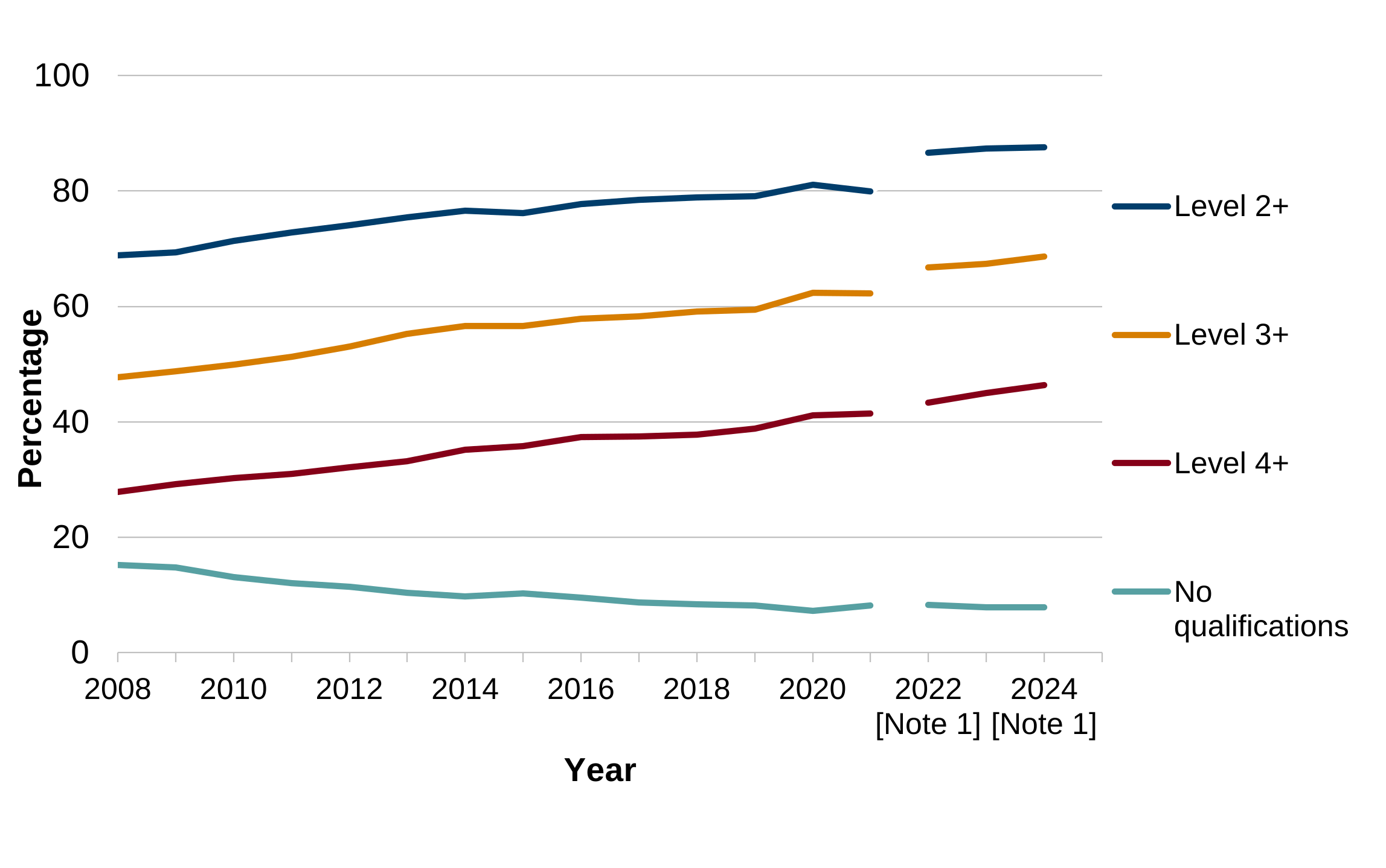
Description of figure 1.9: qualification levels in Wales have steadily increased since 2008, though there is a break in the series between 2021 and 2022 due to comparability issues.
Source: Welsh Government Analysis of APS, ONS
[Note 1] Estimates for 2022 onwards cannot be compared to previous years following changes to the questions on qualifications in the APS.
The other national milestone on qualifications is that the percentage of working age adults with no qualifications will be 5% or below in every local authority in Wales by 2050. In 2024, 6 of Wales’s 22 local authorities have 5% or less of working age adults with no qualifications: Ceredigion (2.3%), Powys (3.1%), Wrexham (3.2%), Monmouthshire (3.9%), Gwynedd (4.0%), Vale of Glamorgan (4.2%).The proportion of working age adults with no qualifications was highest in Blaenau Gwent (13.8%) and Rhondda Cynon Taff (13.6%).
Figure 1.10: proportion of working age population with no qualification by local authority, 2024
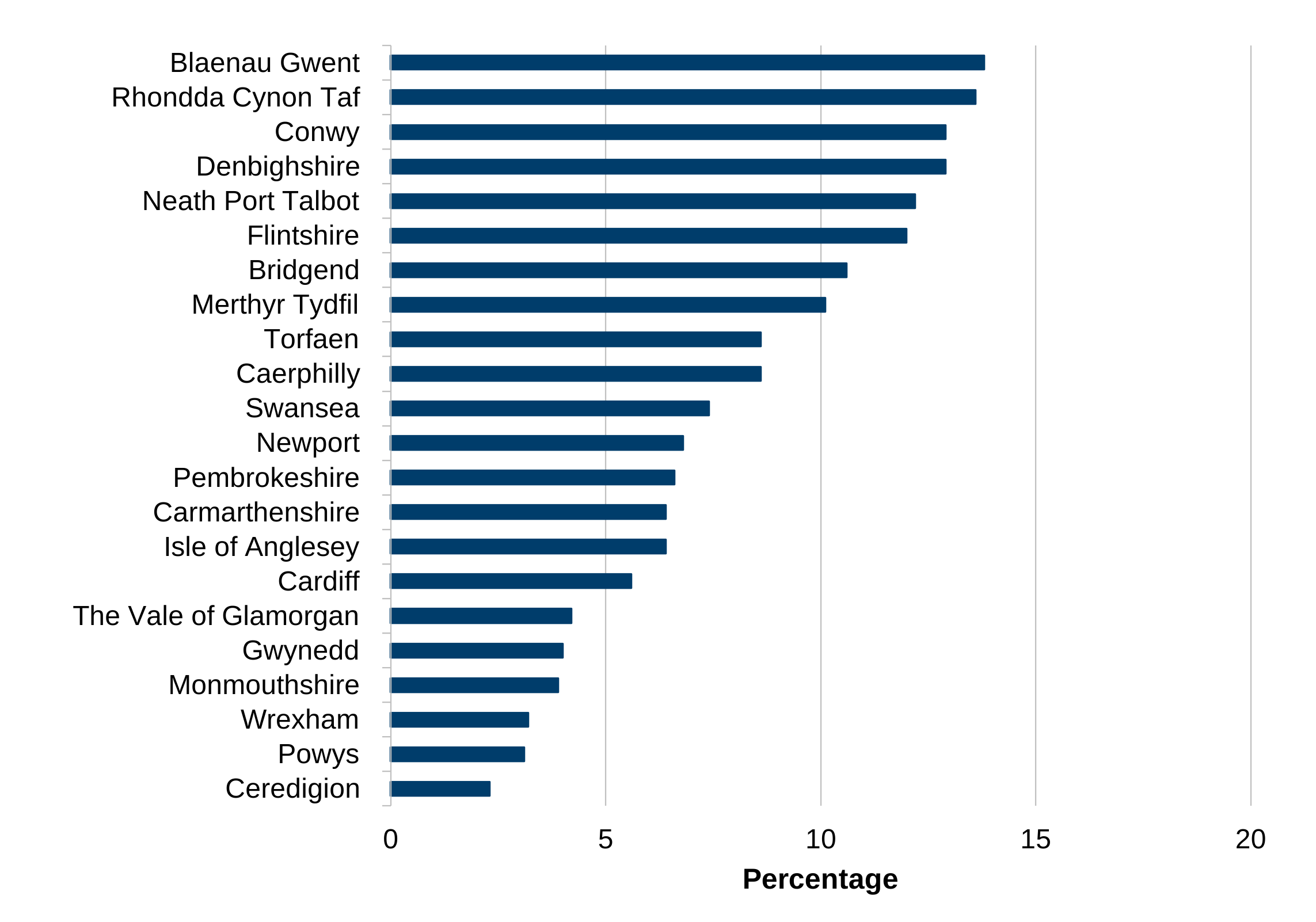
Description of figure 1.10: a bar chart showing the proportion of the working age population with no qualifications in each local authority in 2024. The proportion is less than 5% in the Ceredigion, Powys, Wrexham, Monmouthshire, Gwynedd and the Vale of Glamorgan, but is over 13% in Blaenau Gwent and Rhondda Cynon Taff.
Source: Welsh Government Analysis of APS, ONS
Attainment in schools
Attainment in schools rose in the years prior to the pandemic, however public examinations (such as GCSE and A Levels) were disrupted, particularly in 2020 and 2021 due to the COVID-19 pandemic. In those years all grades that would have been awarded following an examination were replaced with the centre assessed or determined grades. Academic year 2021 to 2022 was a transitionary year in which pupils sat written exams with some adjustments whilst in the 2022 to 2023 school year there was a further transition back to pre-pandemic assessment arrangements (whilst keeping some support in place for learners). The 2023 to 2024 school year saw a full return to pre-pandemic examination arrangements. Further details on these arrangements can be found in our annual Examination results publication.
The ‘capped 9 ‘points score is the national indicator on secondary school performance which focuses on year 11 pupils’ best 9 results at GCSE, including some subject specific requirements.
In 2023 to 2024 the average capped 9 indicator (interim measures version) was 352.1 points, a small decrease from 358.1 points in 2022 to 2023. Children from deprived backgrounds still have poorer outcomes.
In 2023 to 2024 pupils eligible for free school meals (FSM) scored 298.6 points and pupils not eligible for FSM scored 378.2 points on average in the capped 9 indicator (interim measures version). This means that pupils not eligible score higher than pupils eligible by 79.6 points. This is a decrease in the gap from 87.1 points in 2022 to 2023.
Figure 1.11: school attainment: Capped 9 indicator (interim measure version) by Free School Meal (FSM) eligibility, academic years 2018/19, 2022/23 and 2023/24 [Note 1]
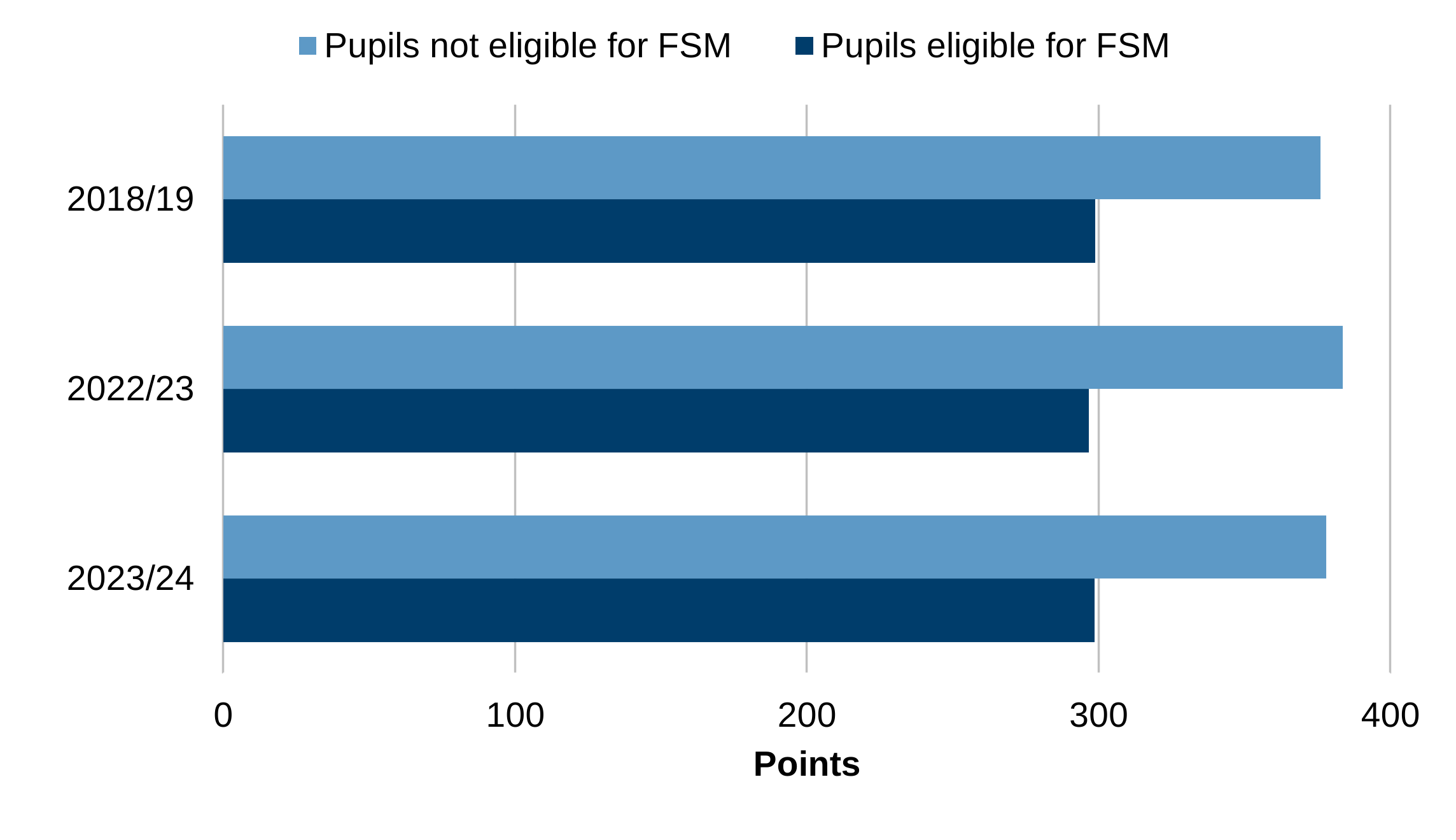
Description of figure 1.11: a bar chart showing the average Capped 9 indicator for students eligible for free school meals and students not eligible for free school meals in academic years 2018 to 2019, 2022 to 2023, 2023 to 2024. Pupils not eligible for free school meals scored higher in each of the years shown.
Source: Examination Results, Welsh Government
[Note 1] The Capped 9 indicator was not reported between 2019 to 2020 and 2021 to 2022 due to the disruption caused by the COVID-19 pandemic.
Further reading
Previous versions of the Wellbeing of Wales report included further analysis of the following.
Assessments of stage of development of 4 year old pupils in mathematics, language, literacy and communication related to the Foundation Phase Framework. This information is no longer captured due to the roll-out of the new Curriculum for Wales from September 2022.
Labour market overview, provides a monthly update on the Welsh labour market.
The Welsh economy in numbers dashboard shows trends in the main economic outcomes for Wales, compared to the UK.
The Wales Economic and Fiscal Report reviews recent economic developments and the economic and fiscal prospects facing Wales.
There are several studies covering productivity and real incomes, for example, see Resolution Foundation’s Stagnation nation: the Inquiry and The UK Productivity puzzle in an international comparative perspective (Wiley Online Library).
Further information on regional income can be accessed from the Institute for Fiscal Studies Living standards, poverty and inequality in the UK.
Data is also available from the Census of Population on highest qualification levels. Census in Education in Wales (Census 2021) provides a summary of the data for Wales. The statistics available from the Census are not directly comparable to those presented in this Wellbeing of Wales report. As well as the different data collection modes, these statistics are based on working age adults (aged 18 to 64) whereas those from the Census are based on all usual residents aged 16 and over.
Information on the awarding of grades for school and college qualifications (GCSE, A Level, AS, Skills Challenge Certificate and Welsh Baccalaureate) in the years impacted by COVID-19 is available in the statements below: